
Planting
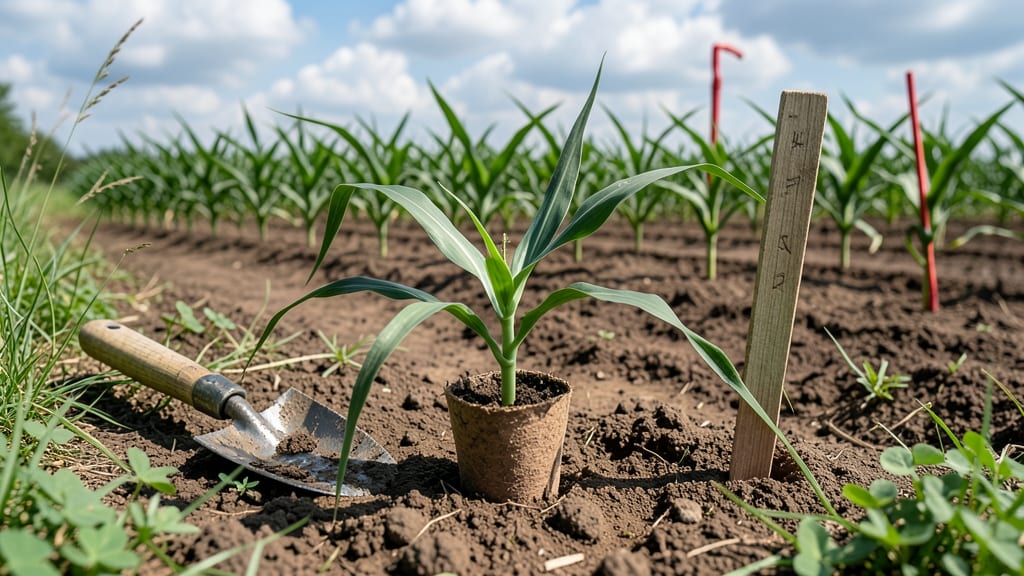
Ohio corn planting timeline by USDA hardiness zones (5b-6b)
Ohio’s corn planting season hinges on USDA hardiness zones, with Zone 5b in the north and Zone 6b in the south offering wildly different windows.
In northern Ohio (Zones 5a-5b), farmers typically start as early as late April, while southern regions (Zones 6a-6b) can begin planting by mid-April. The key? Waiting for soil temperatures to hit 50°F at 4 inches deep—corn seeds won’t germinate reliably below this threshold.
For home gardeners, this means checking soil temps with a soil thermometer or using the "barefoot test": if the ground feels cool to your feet, it’s too early.
Ohio’s average last frost date ranges from April 15 in the north to April 1 in the south, but planting too soon risks frost damage. Most farmers aim to finish planting by mid-May to ensure a full growing season before fall frosts arrive.
Here’s the breakdown by zone, including historical planting windows and optimal soil conditions for maximum germination rates:
Pro tip: Use black plastic mulch in cooler zones to warm soil faster and extend your planting window by 1–2 weeks. This is especially useful in Zone 5b, where cold snaps can delay germination.
For home gardeners, consider starter fertilizers with phosphorus to jumpstart root growth in chilly soils.
Ohio’s historical planting data shows that farmers who plant by April 20 in most zones achieve 90%+ germination rates, while those waiting until May 1 risk reduced yields due to shorter daylight hours.
The ideal planting depth is 1–1.5 inches, with seeds spaced 6–12 inches apart depending on your corn variety.
For early-maturing hybrids (60–75 days to harvest), you can push the envelope slightly—even planting in late March under row covers in Zone 6b. However, longer-season varieties (90+ days) need the full window to reach maturity before Ohio’s first frost, typically around October 20.
Remember: Corn is a warm-season crop, and rushing it leads to poor stands and stunted growth. Always prioritize soil temperature over calendar dates—your corn will thank you with healthier stalks and larger ears at harvest time. 🌽
Critical factors that shift Ohio corn planting dates (beyond the calendar)
Ohio’s corn planting dates aren’t just about checking a calendar—they’re influenced by soil temperature, weather patterns, and even seed technology. While the general rule is to plant when soil hits 50°F and stays above 60°F, real-world conditions can push those dates by weeks.
For example, in 2023, southern Ohio farmers planted two weeks earlier than average due to unusually warm springs, while northern zones like Toledo faced delays from late frost risks.
One of the biggest factors is soil moisture. Ohio’s clay-heavy soils can become waterlogged after heavy rains, delaying planting until fields dry enough for equipment access. Meanwhile, drought conditions in May 2022 forced some farmers to shift from no-till to conventional tillage just to break up compacted soil.
Even hybrid maturity ratings play a role—earlier-maturing varieties can tolerate later planting, while long-season hybrids need every warm day to reach full yield.
Spring frost risk is another wild card. The USDA’s last frost date for Ohio averages April 15, but frost pockets in valleys and low-lying areas can linger until May 1. Farmers in Zone 5a (northeast Ohio) often wait until mid-May to avoid frost damage to young seedlings, while Zone 7a growers in southern Ohio might plant as early as late March under row covers.
Modern precision agriculture tools help adjust timelines. Soil thermometers and planting date calculators (like the USDA’s) account for localized frost risks and soil warming trends. For instance, Toledo’s warmer microclimate often allows planting 10-14 days earlier than Cleveland, even though they’re only 100 miles apart.
These tools also factor in rainfall forecasts—if May showers are predicted, farmers might delay planting to avoid seed rot.
Even cover crops influence timing. Fields planted with clover or rye in the fall may need extra time to dry out before corn goes in, pushing back planting by 1-2 weeks. Conversely, no-till systems with residue management can sometimes start planting earlier because the soil warms faster without disturbance.
The key is balancing these variables with historical yield data—farmers who plant too early risk low germination rates, while late planting can reduce ear development time.
Here’s the hard truth: There’s no one-size-fits-all date for Ohio corn planting. The 2023 growing season proved this—some farms in southern Ohio planted by April 1 and still hit peak yields, while others in northwest Ohio waited until May 10 due to cool, wet springs.
The best approach? Monitor soil temps, track local weather patterns, and use USDA zone maps as a starting point, then adjust based on field conditions.
Late Planting Warning
Planting corn after May 20 in Ohio’s northern zones can reduce yields by up to 20%. Delayed planting shortens the growing season, leaving less time for ear development before first frost. Use early-maturing hybrids (e.g., 90-100 day varieties) if late planting is unavoidable.
For home gardeners, the same rules apply on a smaller scale. If you’re growing sweet corn in containers or raised beds, you can push planting dates slightly later because soil warms faster in contained spaces.
But always check your local frost dates—even urban areas like Columbus can have microclimate variations that affect timing. The bottom line? Flexibility is key, and local data beats guesswork every time.
🌾