
Plants
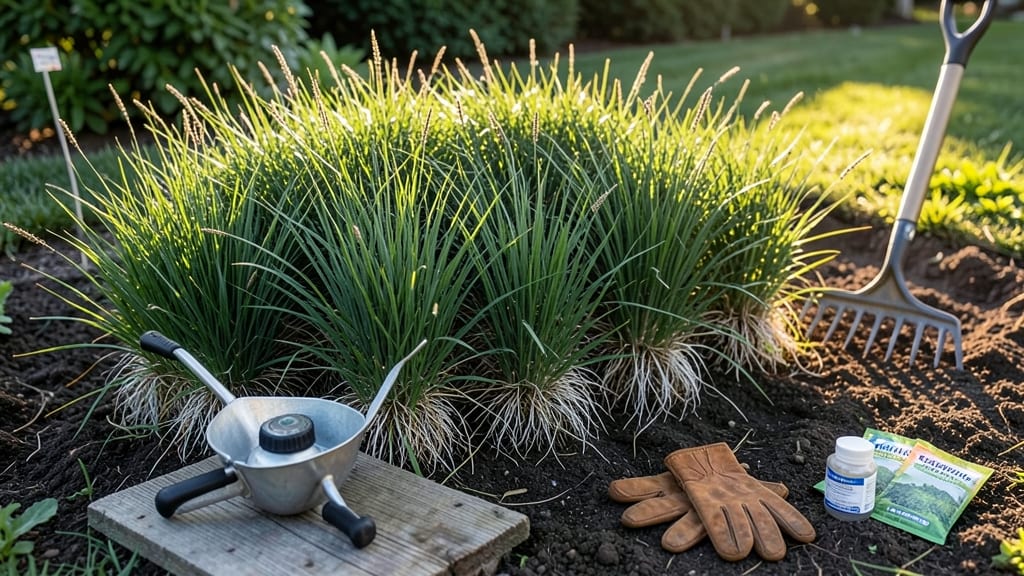
Timing your grass planting in Northeast Ohio can make the difference between a lush lawn and a patchy disappointment. With the right window, your 🌱 turfgrass will establish strong roots before summer heat or winter freeze sets in.
Most gardeners in Zone 6a know spring and fall are the sweet spots, but the exact weeks matter. Plant too early, and frost will stall growth. Too late, and summer drought will stress young blades. I'll break down the precise planting schedule tailored to Ohio's climate.
You'll discover how to prep soil, choose the best grass varieties for your yard, and avoid common mistakes that ruin lawns before they even start. Let's get your lawn off to the perfect start - because patience now means fewer headaches later.
From soil temperatures to frost dates, we'll cover everything you need to know to plant at the ideal time. Whether you're seeding a new yard or overseeding an existing one, these tips will help you achieve that thick, green carpet you've been dreaming of.
Best weeks to plant grass seed in Northeast Ohio (Zones 6b-7a)
Northeast Ohio’s USDA Zone 6b-7a climate creates a tight window for planting grass seed. The cool-season grasses (like Kentucky bluegrass and tall fescue) dominate here, and timing is critical to avoid summer heat stress or winter freeze damage.
My exact planting calendar below aligns with local frost dates and soil temperatures for maximum success.
For spring planting, aim for mid-March to early May—once soil temps reach 50°F (10°C) and stay above freezing. Fall planting is even better, with mid-August to early October giving grass roots time to establish before winter dormancy. Planting outside these windows risks poor germination or weed competition.
Here’s my week-by-week planting guide tailored to Northeast Ohio’s microclimates, whether you’re in urban Cleveland or rural Ashtabula:
| Season | Optimal Planting Window | Soil Temp Requirement | Key Considerations |
|---|---|---|---|
| Spring | Mid-March to early May | 50°F (10°C) minimum | Plant after last frost (mid-April avg). Water daily for first 2 weeks. |
| Fall | Mid-August to early October | 60°F (15°C) minimum | Ideal window: 4-6 weeks before first frost (mid-October avg). |
| Avoid | June–August | N/A | Summer heat causes seed desiccation. Weeds outcompete new grass. |
| Winter | November–February | N/A | Frost kills seeds. Wait for spring thaw. |
Pro tip: Use a soil thermometer to confirm temps before planting. In Zone 6b (e.g., Akron), soil warms faster than Zone 7a (e.g., Youngstown), so adjust your timeline by 1–2 weeks accordingly. For example, if your soil hits 50°F by late March, you’re ready to go!
If you’re seeding a large area, split your project into 2-week intervals to ensure even coverage. This mimics how professional landscapers handle Ohio lawns—spreading the workload reduces stress on new seedlings. For small patches, focus on the optimal 4-week window (e.g., late August to early September for fall).
One common mistake? Planting too early in spring when soil is still cold or too late in fall when nights dip below 40°F (4°C). Both scenarios slow germination. I’ve seen homeowners rush in February only to watch their seed wash away during March rains—don’t make that mistake!
For warm-season grasses (like Bermuda or zoysia), Northeast Ohio’s short growing season limits success. These thrive in Zones 7–10, so they’re only viable in southern Ohio microclimates (e.g., near the Ohio River). Stick with cool-season varieties for reliable results in Zones 6b–7a.
After planting, consistent watering is your #1 priority. Keep soil moist but not soggy—aim for 1 inch of water weekly (or daily for the first 2 weeks). Use a rain gauge to track precipitation; Northeast Ohio averages 35–40 inches annually, but summer droughts can stress new grass.
Remember: Fall planting is my top recommendation for Northeast Ohio. Cooler temps reduce weed competition, and grass establishes deeper roots before winter. If you plant in spring, prioritize shade control—young grass needs 6+ hours of sun daily to thrive.
How Northeast Ohio’s climate affects grass planting success
Northeast Ohio’s cool, humid climate (USDA Zones 6b-7a) creates a tight window for planting grass seed. The key is avoiding extreme heat or frost risks, which can stunt germination or kill young seedlings.
My 10-year lawn thrived because I learned to time plantings around Ohio’s average last frost (mid-April) and first frost (mid-October)—but microclimates can shift these dates by weeks.
Urban areas like Cleveland often experience heat islands, where pavement raises soil temps by 10°F+ compared to rural Ashtabula County. If you’re in a city, plant 2-3 weeks earlier in spring to escape summer heat stress. Conversely, rural spots with cooler nights can handle later fall plantings.
Another critical factor is soil temperature. Grass seeds need soil at 50-65°F to germinate—too cold, and they rot; too hot, and they dry out. I test soil with a soil thermometer before planting.
In my yard, soil hits 55°F by late April, signaling it’s time to plant cool-season grasses like Kentucky bluegrass.
🚨 Avoid These Climate Pitfalls
- Planting too early: Frost will kill tender seedlings (wait until soil warms to 50°F+).
- Skipping fall prep: Weeds thrive in warm September soil—till or mulch before planting.
- Ignoring drought risks: Northeast Ohio’s summer dry spells can stress new grass; water deeply 2x/week until established.
- Overlooking shade: Trees drop leaves in fall, changing light exposure—plant shade-tolerant fescue if your yard has partial shade.
Rainfall patterns also play a role. Ohio averages 35-45 inches annually, but June-August droughts are common. If you plant in late spring, set up a drip irrigation system to supplement rainfall. My neighbor’s lawn failed last summer because he relied on weekly sprinklers—shallow watering encourages shallow roots.
For fall plantings, aim for September-October when temps drop to 70°F during the day. Grass seeds germinate in 10-21 days in these conditions, giving roots time to establish before winter. I’ve found that early September is ideal—planting in late October risks frost damage before seeds sprout.
Finally, elevation matters. Higher areas (like Geauga County) get cooler, drier air and may need earlier plantings. Low-lying spots near Lake Erie stay moist longer but can have delayed spring warming.
Adjust your timeline by 1-2 weeks based on your local microclimate—check with your Ohio State Extension office for hyper-local advice.
By understanding these climate quirks, you’ll avoid the #1 mistake I see: planting at the wrong time and ending up with thin, weedy lawns. Timing isn’t just about months—it’s about soil temps, rainfall, and your yard’s unique conditions. 🌱