
Companion Plants
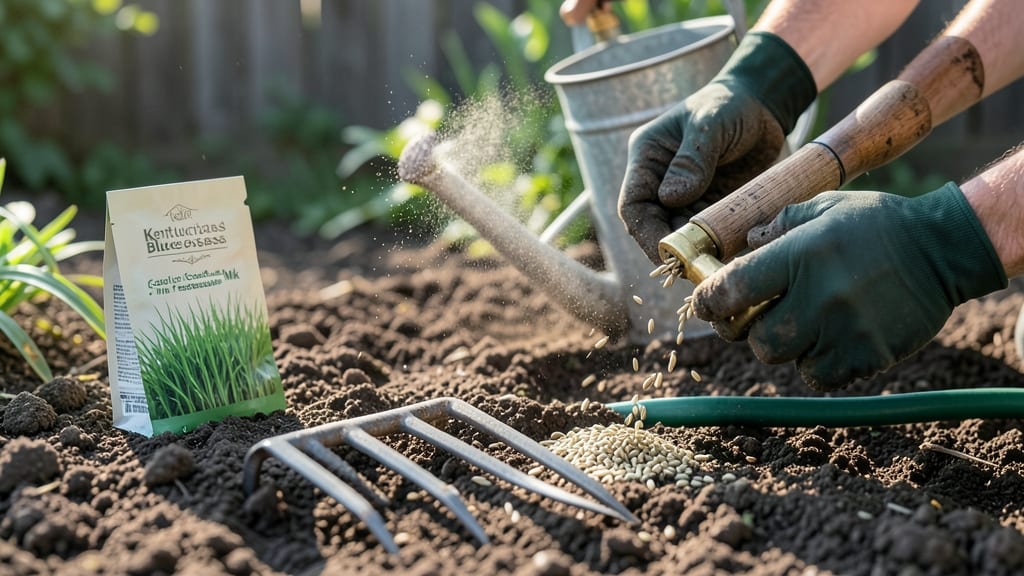
Timing your grass seed planting in spring is the difference between a vibrant lawn and months of frustration. Skip the guesswork—planting too early risks frost damage, while waiting too long means missed growing opportunities.
The ideal window hinges on soil warmth and local frost dates, and I’ll break down exactly when to act for your region.
For most of the U.S. (like USDA Zone 6a), the sweet spot is 4-6 weeks before the last frost, typically March or early April.
Cool-season grasses like fescue thrive when soil temps hit 50-65°F, while warm-season varieties wait until late spring when the ground is consistently above 60°F. Let’s cut through the confusion so you can plant with confidence.
Beyond dates, soil prep is half the battle. A quick test for moisture and pH ensures your seed takes root fast. I’ll walk you through the full checklist—from aerating to watering—so your grass sprouts strong and stays that way. Ready to transform your yard? Let’s get started.
Don’t let another spring slip by with patchy grass. Whether you’re seeding a new lawn or overseeding an old one, this guide gives you the exact timing and steps to succeed. Your lawn’s future starts now—just plant it right.
Optimal spring planting timeline based on soil temperature & frost dates
Timing your grass seed planting in spring is like catching a wave—too early, and frost will kill your efforts; too late, and summer heat stresses new growth. The ideal window depends on two critical factors: soil temperature and frost-free dates.
For cool-season grasses (like fescue or ryegrass), aim for 4-6 weeks before your last frost date, while warm-season grasses (like Bermuda or Zoysia) need soil temps above 65°F. Let’s break down the perfect timing for your region.
Most gardeners in the Northern U.S. (USDA Zones 3-6) should plant cool-season grass seed between early March and mid-April. This gives seeds time to germinate before summer heat arrives.
In the Southern U.S. (Zones 7-10), warm-season grasses thrive when planted late April to early June, after the last frost and when soil warms up. Always check your local frost dates—the USDA Plant Hardiness Zone Map is a great starting point.
Soil temperature is your secret weapon. Use a soil thermometer to test depth (2-4 inches down). Cool-season grasses germinate best at 50-65°F, while warm-season types need 65-75°F.
If your soil is too cold, seeds may rot; too hot, and they’ll dry out. Pro tip: Morning soil temps are the most accurate for planting decisions.
Here’s how to check your local frost dates and soil conditions without guesswork:
| Region | Grass Type | Best Planting Window | Soil Temp | Frost Risk |
|---|---|---|---|---|
| Northern U.S. (Zones 3-6) | Cool-season (Fescue, Ryegrass) | Early March–Mid-April | 50–65°F | Low (after last frost) |
| Southern U.S. (Zones 7-10) | Warm-season (Bermuda, Zoysia) | Late April–Early June | 65–75°F | None (plant after last frost) |
| Transition Zones (6-7) | Cool-season (early) or Warm-season (late) | March (cool) or May (warm) | 50–75°F (adjust) | Moderate (check local forecasts) |
If you’re in a transition zone (like Zone 6-7), you might plant cool-season grass in early spring and warm-season types in late spring. For example, Kentucky bluegrass thrives when sown in March-April, while centipede grass waits for May-June.
Always match your grass type to your climate—this is the fastest way to avoid disappointment.
Don’t rely on the calendar alone. Use a soil thermometer ($10 at garden centers) to confirm readiness. If your soil is below 50°F for cool-season grasses or below 65°F for warm-season types, wait.
Patience here prevents wasted seed and money. I’ve seen gardeners rush planting only to watch their seeds rot in cold soil—don’t let that be you!
Another key factor is rainfall patterns. Aim to plant when 1 inch of rain per week is forecasted, or be ready to water gently (no heavy streams!) every 2-3 days.
Overwatering can wash seeds away, while underwatering dries them out. A light mulch layer (like straw) helps retain moisture without smothering seeds.
For northern climates, planting too early risks frost damage. Wait until daytime temps stay above 50°F consistently. In the south, planting too late means summer heat stresses young seedlings. The 100-day rule is a good guideline: plant early enough so grass establishes roots before summer’s peak heat.
For example, if your last frost is April 15, plant by March 1 for cool-season grass.
Regional variations matter. In Pacific Northwest states, cool-season grasses like fine fescue can be planted as early as February if soil temps are right. In Florida or Texas, warm-season grasses like St. Augustine should wait until May.
Check your local cooperative extension service for hyper-local advice—they’re a goldmine of region-specific tips.
Finally, overseeding existing lawns has a different timeline. For cool-season grasses, do it in early fall (September-October), but a light spring overseeding in March can help fill thin spots.
Warm-season lawns? Skip spring overseeding—focus on late spring to early summer for best results. Timing is everything, and your lawn will thank you for paying attention to these details!
Optimal spring planting timeline based on soil temperature & frost dates
Timing your grass seed planting in spring is all about balancing soil warmth and frost-free conditions. Cool-season grasses like Kentucky bluegrass and fescue thrive when soil temps hit 50-60°F, while warm-season varieties like Bermuda need 65-75°F.
Planting too early risks frost damage, while waiting too long may miss the ideal germination window.
Most regions see the best results by planting 4-6 weeks before the last frost date. For example, in USDA Zone 5, that’s typically early April, while Zone 8 gardeners can start as early as late February.
Always check your local frost dates using the National Weather Service or Old Farmer’s Almanac.
Here’s how to check if your soil is ready: Insert a soil thermometer 4 inches deep. For cool-season grasses, aim for 50-60°F; for warm-season, wait until 65°F+. If temps fluctuate below freezing at night, delay planting until the threat of frost passes completely.
| Grass Type | Ideal Soil Temp | Planting Window | Frost Risk |
|---|---|---|---|
| Cool-Season (Kentucky Bluegrass, Fescue) | 50-60°F | Early spring (4-6 weeks before last frost) | High (avoid if frost expected) |
| Warm-Season (Bermuda, Zoysia) | 65-75°F | Late spring (after last frost) | Low (soil must stay warm) |
| Transition Zone (Tall Fescue, Ryegrass) | 55-65°F | Early to mid-spring | Moderate (monitor forecasts) |
Regional differences matter! In the Northern US, aim for March-April planting, while Southern states can start as early as February or even late fall. For example, Texas gardeners often plant in late spring to avoid summer heat stress, whereas New England may need to wait until May.
Pro tip: Use a planting calendar or app like Gardenate to input your ZIP code for personalized frost and soil temp alerts. This ensures you’re planting when conditions are truly optimal for your local microclimate.
Once you’ve nailed the timing, the next step is preparing your soil. Loosen compacted areas, remove weeds, and add compost to improve drainage—this sets the stage for strong root development once germination begins.