
Lawn
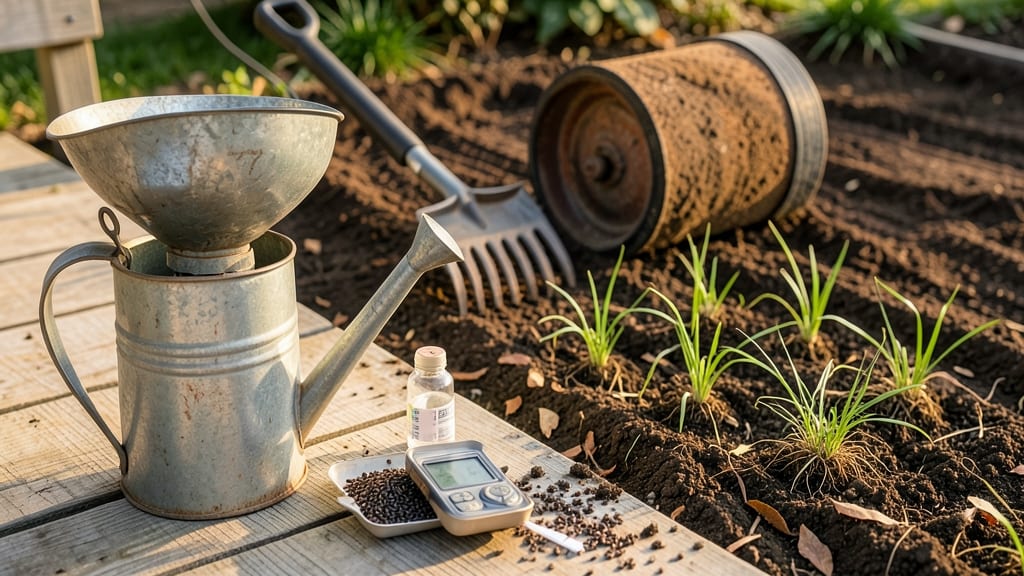
Timing your spring grass seed planting in Virginia can mean the difference between a lush lawn and a frustrating gamble with Mother Nature.
With Virginia’s 6a-8a climate zones, you’ve got just a 4-6 week window between frost risks and summer heat stress—miss it, and your 🌱 grass seed could struggle to take root.
Most gardeners assume "spring" means March, but in Virginia’s unpredictable weather, that’s often too early. Plant too soon, and a late frost will wipe out your seedlings before they get a chance to grow.
Too late, and the heat will dry out the soil before roots establish. The key is knowing your exact last frost date and soil temperature thresholds—something we’ll break down by region.
What if you could extend your planting window safely? We’ll share proven strategies like using frost blankets or choosing heat-tolerant grass varieties, so you’re not stuck waiting for perfect conditions.
Whether you’re seeding a new lawn or repairing bare patches, this guide gives you the confidence to plant at the ideal time for Virginia’s climate.
Ready to skip the guesswork? Let’s dive into the science-backed soil temps, frost-free timelines, and pro tips that’ll help your grass seed thrive—no matter where you are in the state.
Virginia’s ideal soil temperature for spring grass seed planting
Timing your grass seed planting in Virginia isn’t just about the calendar—it’s all about soil temperature. Cool-season grasses like tall fescue and Kentucky bluegrass need soil temps between 50°F and 65°F to germinate, while warm-season grasses like Bermuda prefer 70°F+.
Northern Virginia’s cooler springs favor cool-season seeds, while Southern Virginia’s milder winters often see warm-season grasses thrive. Testing your soil’s temperature at 1-inch depth (where seeds will be) is the key to success.
Use a soil thermometer ($10 at garden centers) to check temps daily. If your soil is below 50°F, even the hardiest cool-season seeds will struggle. Wait until temps consistently stay in that 50°F–65°F range for at least 5–7 days before planting.
Pro tip: Morning is the best time to test—soil temps are most stable then. If you’re in Zone 6a–7a, aim for mid-March to early April; Zone 7b–8a gardeners can start as early as late February.
Microclimates complicate things. Urban areas like Richmond or Arlington warm up faster than rural spots, while shaded lawns stay cooler longer. If your yard is in a low-lying area or near trees, delay planting by 1–2 weeks to avoid frost risk.
For southern Virginia (e.g., Norfolk or Blacksburg), warm-season grasses like Zoysia can be sown as early as April, but cool-season blends still dominate spring plantings.
Here’s how to test your soil temperature like a pro: Insert the thermometer 1 inch deep in the shade (direct sun skews readings). Take readings for 3 consecutive days—if temps hover around 55°F–60°F, you’re in the sweet spot for cool-season grasses.
For warm-season grasses, wait until soil hits 70°F+ and stays there. Patience here saves you from frost damage or seed dormancy.
Don’t overlook seed variety—some blends (like Tifway 419 Bermuda) germinate faster in warmer soil, while fine fescue tolerates cooler temps better. Check the seed packet for your variety’s ideal soil temp range.
If you’re unsure, opt for a cool-season blend—it’s the safest bet for Virginia’s unpredictable springs. Remember, soil temp > air temp for germination timing.
| Grass Type | Ideal Soil Temp (°F) | Best Planting Window | Virginia Zones |
|---|---|---|---|
| Cool-Season (Tall Fescue, KBG) | 50°F–65°F | Mid-March to early April | 6a–7a (Northern VA) |
| Cool-Season (Fine Fescue) | 45°F–60°F | Late February to March | 5a–6a (Mountains) |
| Warm-Season (Bermuda, Zoysia) | 70°F+ | Late April to May | 7b–8a (Southern VA) |
| Transition Zone Blends | 55°F–70°F | March–April (flexible) | 6b–7a (Central VA) |
If your soil is too cold (below 50°F), don’t rush—waiting a week or two can mean the difference between thin, patchy grass and a lush, uniform lawn. Use a black plastic mulch or straw mulch to warm soil faster if you’re eager to plant.
Conversely, if temps spike above 75°F before germination, cover seeds with shade cloth to prevent drying. This is especially critical in southern Virginia, where April can swing from 40°F mornings to 80°F afternoons.
For Northern Virginia (e.g., Fredericksburg or Leesburg), aim to plant 4–6 weeks before your average last frost date (usually mid-April). In Southside Virginia (e.g., Danville or Emporia), you’ve got a 2-week window longer—plant by late March for cool-season grasses.
Always check the Virginia Cooperative Extension’s frost maps for your exact location. Their data is updated annually and accounts for microclimate shifts.
One common mistake? Planting based on air temperature alone. A 70°F day can hide 50°F soil, leaving seeds dormant. Use both soil thermometer readings and local frost forecasts to nail your timing.
For example, if your soil hits 55°F but the 10-day forecast calls for a 30°F dip, delay planting by 2 weeks. Your future lawn will thank you.
Pro
Virginia’s ideal soil temperature for spring grass seed planting
Choosing the right soil temperature for planting grass seed in Virginia is half the battle. Cool-season grasses like tall fescue and Kentucky bluegrass thrive when soil temps hover between 50°F and 65°F. Warm-season grasses like Bermuda and Zoysia prefer 70°F to 80°F—but those come later in the season.
Most Virginia gardeners focus on cool-season varieties for spring planting, so aim for that 50°F to 65°F window.
Why does this range matter? Grass seeds germinate best when soil is neither too cold (which slows growth) nor too warm (which can dry them out). A soil thermometer is your best tool—insert it 1 inch deep (the planting depth) to check temps daily.
If it’s below 50°F, wait a few more weeks. If it’s above 65°F, you risk stressing seedlings before they establish roots.
Virginia’s microclimates add another layer. Urban areas like Richmond or Arlington warm up faster than rural spots in the Shenandoah Valley. Test your specific site for 3–5 days to account for daily fluctuations. Pro tip: Early mornings are cooler, so plant in the late afternoon when soil has absorbed daytime heat.
| Grass Type | Ideal Soil Temp | Virginia Planting Window | Key Risk |
|---|---|---|---|
| Cool-Season (Tall Fescue, Bluegrass) | 50°F–65°F | Early March–Mid-April | Late frost damage |
| Warm-Season (Bermuda, Zoysia) | 70°F–80°F | Late May–June | Summer drought stress |
| Ryegrass (Fast Germinator) | 40°F–60°F | February–Early March | Overcrowding if not overseeded |
If your soil is too cold, try these quick fixes: Spread a black plastic mulch over the area for 3–5 days to absorb sunlight and raise temps by 5°F–10°F.
For too-warm soil, use shade cloth or plant in the shadiest part of your yard temporarily. Avoid watering heavily before planting—wet soil stays cooler longer, delaying germination.
One more critical tip: Prep your soil 1–2 weeks before planting. Rake out debris, loosen compacted soil, and add compost to improve drainage. Cool-season grasses need well-draining soil to avoid rot, while warm-season grasses tolerate slightly drier conditions. Test your soil’s pH level too—aim for 6.0–7.0 for most grass types.
Remember, Virginia’s spring is unpredictable. Even if soil temps are perfect, a late frost can wipe out seedlings. That’s why I always plant 2 weeks before the average last frost date (more on that in the next section!) and keep a frost cloth handy.
It’s a small investment for peace of mind.