
Plants
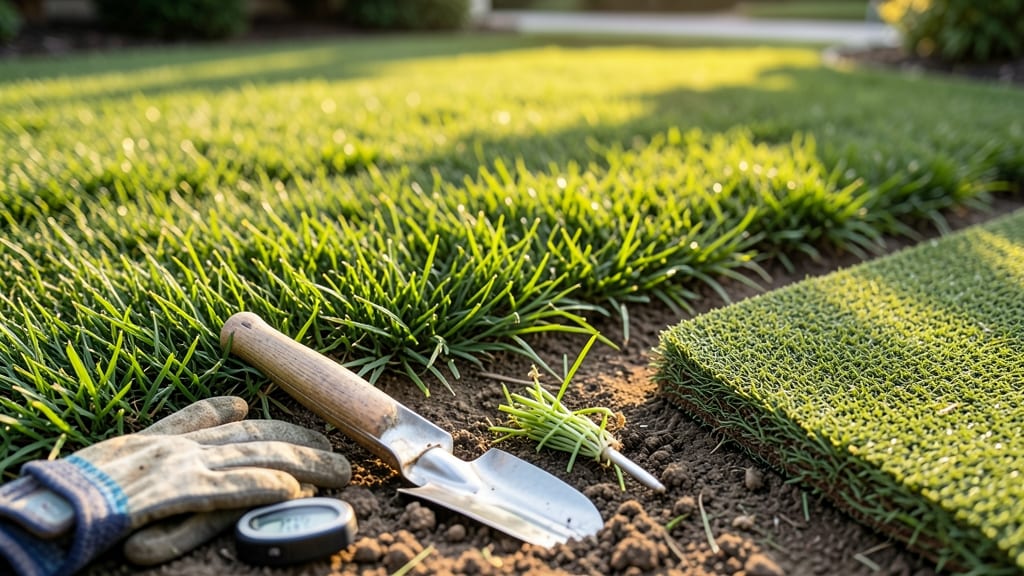
Timing your Bermuda grass planting in North Georgia can make or break your lawn's success—get it wrong, and you'll battle thin patches all summer. With USDA zones 7a-8a and heat that hits early, knowing exactly when to plant is the key to that thick, drought-resistant carpet you're dreaming of.
Most gardeners assume spring is the only option, but late summer actually gives Bermuda grass a head start on root growth before winter.
I'll walk you through the exact dates for your elevation zone—whether you're in the cooler mountains or warmer piedmont—so you can plant when soil temps hit that critical 65°F threshold.
Beyond dates, we'll cover what separates thriving lawns from struggling ones: soil prep secrets for Georgia's clay-heavy dirt, how to outsmart humidity and pests, and why your neighbors' patchy Bermuda might be failing where yours will shine. Let's get your lawn growing strong from day one.
Ready to skip the guesswork? These region-specific tips will have your Bermuda grass establishing faster, staying greener through droughts, and looking like the envy of the neighborhood by next summer. The clock's ticking—spring planting starts in just a few weeks!
Best planting dates for Bermuda grass by North Georgia elevation zones
North Georgia's diverse elevation zones—from the coastal plain to the Blue Ridge Mountains—create wildly different microclimates for Bermuda grass. Planting too early in cooler zones or too late in warmer areas can stunt growth or invite disease.
Let's break down the exact planting windows tailored to your specific elevation, ensuring your Bermuda grass thrives from seed or sod.
Bermuda grass is a warm-season grass that needs soil temperatures above 65°F (18°C) to germinate. In North Georgia, this typically means waiting until late April to early May for most regions, but timing shifts dramatically with elevation.
Coastal areas near Savannah can plant as early as mid-March, while mountain zones like Blue Ridge may need to wait until mid-May.
For the most precise timing, use the USDA Plant Hardiness Zone map for North Georgia (Zones 7a-8a) and adjust based on your last frost date.
In Zone 7a, the average last frost is March 15, but Bermuda grass won’t tolerate chilly soils—so hold off until the soil thermometer confirms 65°F+.
Another critical window is late summer (August), when established Bermuda grass can be overseeded or repaired. This is especially useful for patchy lawns or areas where winter kill occurred. However, August planting is riskier in higher elevations due to earlier frosts.
🌱 North Georgia Bermuda Grass Planting Timeline by Elevation
| Elevation Zone | Last Frost Date | Ideal Planting Window | Soil Temp Threshold | Notes |
|---|---|---|---|---|
| Coastal Plain (0-500 ft) | March 1-15 | Mid-March to early April | 65°F+ (sooner in Zone 8a) | Warmer microclimates; watch for humidity-related fungal risks. |
| Piedmont (500-1,500 ft) | March 15-30 | Late April to early May | 65°F+ (wait for consistency) | Most common zone; balance sun exposure and soil warmth. |
| Blue Ridge Mountains (1,500-3,000 ft) | April 15-30 | Mid-May to early June | 68°F+ (cooler soils delay germination) | Shorter growing season; prioritize sod over seed for faster establishment. |
| Late Summer Repair Window (All Zones): August 1-15 (for overseeding or patching) | ||||
If you're planting Bermuda grass sod instead of seed, you can shave off 2-4 weeks from these windows since sod establishes faster. Sod thrives when soil temps are 70°F+, so aim for late April to early May in most Piedmont areas.
For seed-based planting, extend the window by 2-3 weeks to account for slower germination.
North Georgia’s humidity and summer heat can also influence timing. Planting in early spring (March-April) gives Bermuda grass a head start before the oppressive summer heat sets in, while late summer planting risks dormancy before roots establish. Use a soil thermometer to confirm readiness—don’t guess!
Pro tip: If your lawn has existing weeds, plant Bermuda grass 2-3 weeks earlier than the ideal window. Weeds compete aggressively for resources, and Bermuda grass needs that early advantage to outcompete them. Pre-emergent herbicides can help, but apply them 4-6 weeks before planting.
For sod installation, roll out Bermuda grass on a cool, cloudy day to reduce stress. Water immediately after planting to ensure root-to-soil contact.
If you’re seeding, lightly rake the soil to create a fine seedbed and cover seeds with no more than ¼ inch of soil to prevent drying.
Remember, Bermuda grass is dormant in winter and won’t survive frost. In North Georgia, it typically turns brown by November and greens up again in late April to early May. Plan your planting to maximize its active growing season
Best planting dates for Bermuda grass by North Georgia elevation zones
North Georgia's diverse elevation zones—from the Piedmont region to the Blue Ridge Mountains—create microclimates that dramatically affect when you should plant Bermuda grass. In USDA zones 7a-8a, the ideal window depends on whether you're planting seeds or sod, as well as your specific elevation.
For most of North Georgia, this means aiming for late April to early May for spring planting or mid-August for fall.
Bermuda grass thrives in warm soil temperatures above 65°F, which typically occurs 2-3 weeks after the last frost date (around March 15 in most areas). However, in higher elevations like Dahlonega or Blairsville, where frost lingers longer, you may need to wait until mid-May.
Coastal areas like Savannah (though technically outside North Georgia) can plant as early as mid-April.
Timing is critical because planting too early can lead to seed rot from lingering cool soils, while waiting too long risks summer heat stress before establishment. Below is a breakdown tailored to North Georgia's three main elevation zones, including soil temperature thresholds and frost-free date adjustments.
| Elevation Zone | Last Frost Date | Ideal Planting Window | Soil Temp Threshold | Key Consideration |
|---|---|---|---|---|
| Coastal Piedmont (Athens, Macon) | March 15 | Late April - Early May | 65°F+ (consistent) | Higher humidity; monitor for fungal risks |
| Middle Piedmont (Gainesville, Madison) | March 20 | Early May | 65°F+ (consistent) | Moderate heat; ideal for sod planting |
| Mountain Regions (Blue Ridge, Dahlonega) | April 5 | Mid-May | 70°F+ (warmer soils needed) | Cooler nights; extend growing season |
For fall planting, aim for mid-August across all zones to allow 6-8 weeks of growth before first frost (typically November 15). This timing ensures roots establish before winter dormancy. In higher elevations, you might push planting to early September to avoid early frosts.
Pro tip: Use a soil thermometer to confirm temperatures before planting—Bermuda grass seeds won’t germinate below 65°F, even if frost risk has passed. If your soil is cooler, wait 1-2 weeks for better germination rates. In North Georgia’s heat, this also prevents seed desiccation from dry, hot conditions.
Finally, consider microclimates within your property. South-facing slopes warm up faster and can support earlier planting, while north-facing areas may need to wait until mid-May for consistent soil warmth. Always adjust your timeline based on local weather patterns rather than just elevation averages.