
Plants
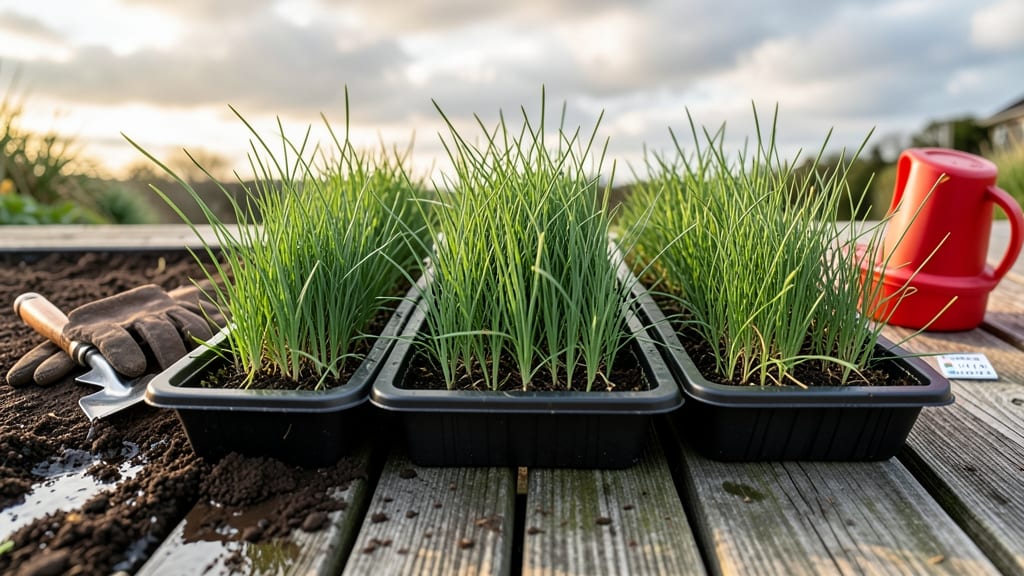
Timing your cool season grass planting in spring can make or break your lawn’s health—and most gardeners get it wrong without even realizing it. Whether you’re overseeding an existing yard or starting fresh, planting too early or too late means weak roots, patchy growth, or wasted seed.
The key isn’t just checking the calendar; it’s understanding soil temperature, frost risks, and regional climate quirks that even experienced gardeners overlook.
In USDA Zone 6, where spring temperatures fluctuate wildly, the ideal window is 4-6 weeks before your last frost date. That means if frost typically hits around mid-April, you should plant by early March.
But here’s the catch: planting when soil is still too cold (below 50°F) slows germination, while waiting too long risks summer heat stress. I’ll show you exactly how to time it right—and avoid the three mistakes that leave lawns struggling.
Why does this matter? Because a well-timed planting session means thicker grass, fewer weeds, and less maintenance down the road. You’ll learn how to test soil readiness, adjust for your local climate, and even extend the planting window with simple tricks.
Let’s dive into the science—and save you from costly trial-and-error.
From Northern states where snow melts slowly to Southern regions with early warm-ups, the rules change. I’ll break down the exact steps to ensure your 🌱 cool season grass takes root strong, whether you’re in Zone 6 or beyond.
Ready to transform your lawn from patchy to lush? Let’s get started.
The perfect spring planting window for cool season grass: soil temperature rules to follow
Cool-season grasses like tall fescue and Kentucky bluegrass thrive when planted in early spring, but timing is everything. The ideal window is 4–6 weeks before your last expected frost, when soil temperatures consistently reach between 50°F and 65°F.
Planting too early risks cold soil stunting germination, while waiting too long can stress seedlings before summer heat arrives.
Soil temperature is more critical than air temperature—cool-season grass seeds won’t sprout well below 50°F. Use a soil thermometer ($10–$15) to check depth (1–2 inches). If your soil is still below 50°F, wait a week or two.
Pro tip: Morning soil temps are 2–3°F cooler than afternoon readings, so test in the morning for accuracy.
Regional differences matter. In USDA Zones 3–5 (north-central U.S.), aim for late March to early April. Zones 6–7 (Mid-Atlantic/South) can start as early as February, while Zones 8–10 (Deep South) should wait until late April to avoid summer dormancy.
Always check your local frost dates—extension offices provide free, hyper-local data.
Why does this matter? Grass seeds need consistent warmth to germinate, but they’ll bolt (go dormant) if exposed to 90°F+ soil before roots establish. Planting in May or June often leads to patchy, weak lawns because seedlings struggle to compete with weeds and heat stress.
The 65°F upper limit is your safety net—once soil hits 70°F, germination slows dramatically.
Here’s how to test soil readiness without a thermometer: Press your finger 1–2 inches deep into moist soil. If it feels cool but not icy (like a chilled soda can), it’s likely in the 50–65°F range.
For a visual cue, watch for dandelions blooming—they’re a sign spring is truly here and soil is warming.
| Factor | Ideal Specification | Why It Matters |
|---|---|---|
| Soil Temperature | 50°F–65°F | Below 50°F = slow/no germination; above 65°F = stress and dormancy. |
| Planting Window | 4–6 weeks before last frost | Ensures seedlings establish before summer heat arrives. |
| USDA Zones 3–5 | Late March–early April | Cooler climates need earlier starts to avoid short growing season. |
| USDA Zones 6–7 | February–March | Warmer springs allow earlier planting without frost risk. |
| USDA Zones 8–10 | Late April–May | Avoid summer dormancy by delaying until soil cools post-heatwave. |
Overseeding an existing lawn? The rules are the same, but mow shorter first (1–1.5 inches) to expose soil. Use a slit seeder or drop spreader for even coverage, and lightly rake to create seed-to-soil contact.
Water daily for 10–15 minutes until germination (7–21 days), then taper to 1 inch per week. Pro move: Apply a starter fertilizer (high phosphorus) to jumpstart root growth.
Watch for weed competition—crabgrass and chickweed germinate fast in warm soil. Pre-treat with a pre-emergent herbicide 2–4 weeks before planting to block weeds without harming grass seeds.
Reapply in early fall for year-round control. If weeds pop up post-planting, hand-pull them immediately; chemical weed killers will also kill young grass.
Don’t stress if your spring is unpredictable. In marginal climates (e.g., Zone 7b with erratic frosts), opt for late August–early September planting instead. Fall-cooled soil mimics ideal spring conditions, and seedlings establish before winter. Just adjust your watering schedule—fall rains often mean less irrigation needed.
Remember: The first 30 days after planting are critical. Grass roots need consistent moisture and warmth to avoid shallow, weak systems. Use a soil probe to check moisture depth—if the top 1 inch dries out, water again. Even 1–2 days of drought stress can reduce germination by 30–50%.
Start your cool-season grass off right, and you’ll enjoy a thick, lush lawn by summer—no patchy brown spots in sight! 🌱
The perfect spring planting window for cool season grass: soil temperature rules to follow
Cool-season grasses like fescue, ryegrass, and bluegrass thrive when planted in early spring, but timing is everything. The ideal window is 4–6 weeks before your last frost date, when soil temperatures consistently reach 50–65°F.
Planting too early risks cold soil that stunts germination, while waiting too late may expose young grass to heat stress or summer dormancy.
Soil temperature is your #1 guide, not the calendar. A simple soil thermometer (just $10 at garden centers) reveals whether conditions are right.
For most U.S. regions, this means March or early April—but USDA Zone 7+ gardeners can start as early as February, while Zone 5 or colder may need to wait until late April.
Pro Tip: Test soil moisture too—cool-season grass needs 1–1.5 inches of water weekly during establishment. Dry soil slows root growth, so water deeply 2–3 days before planting to prep the seedbed.
| Condition | Specification | Action |
|---|---|---|
| Soil Temperature | 50–65°F | Use a soil thermometer 6" deep |
| Last Frost Date | 4–6 weeks before | Check local almanac or plant 3/15–4/15 |
| Water Availability | 1–1.5" weekly | Deep water 2 days pre-planting |
| Seed Depth | ¼–½ inch | Lightly rake soil smooth after sowing |
If you’re overseeding an existing lawn, tackle it 2 weeks earlier than new seed. This gives established grass time to recover from mowing while new grass gets a head start. Mow your lawn short (1.5–2 inches) 1–2 days before overseeding to improve seed-to-soil contact.
Watch for weed competition—cool-season weeds like henbit and chickweed germinate in early spring. Apply a pre-emergent herbicide 2–3 weeks before planting to block weeds without harming grass. Always follow label rates for safe application timing.
Remember: Consistency beats speed. A thick stand of cool-season grass takes 12–16 weeks to establish. Avoid heavy foot traffic or fertilizing until the grass reaches 3–4 inches tall—this ensures roots grow deep before top growth gets aggressive.