
Plants
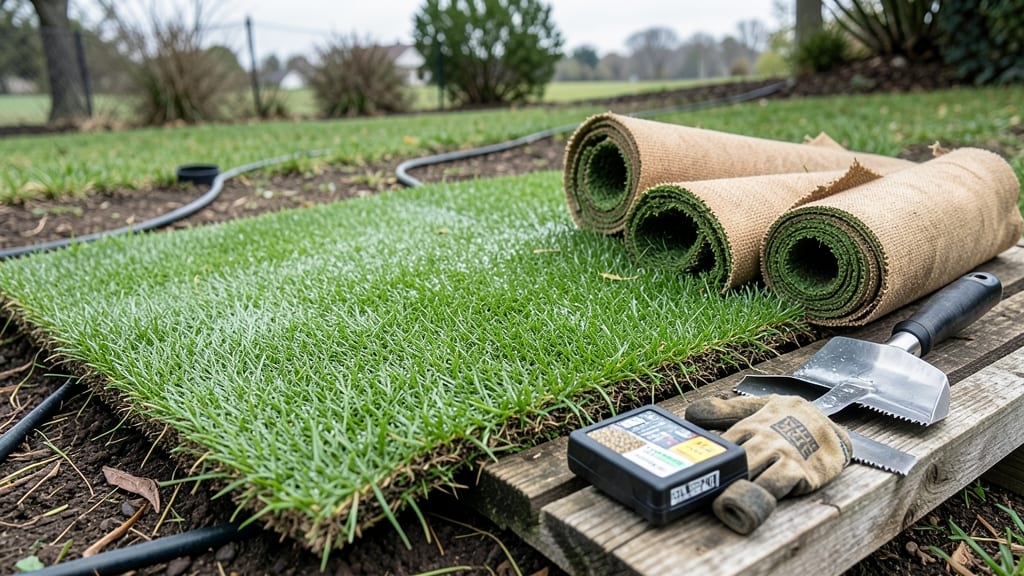
Planting Bermuda grass sod in Georgia at the wrong time can turn your dream green lawn into a soggy, slow-growing mess—especially when unpredictable spring showers or early heat throw off your schedule.
The key to a fast, resilient lawn lies in understanding when soil temperatures hit that sweet spot for root establishment, typically between March and April or late summer.
I’ve seen firsthand how a few weeks can make all the difference—planting too early means struggling with cold soil, while waiting too long risks summer drought stress. Georgia’s 7a-8b zones add another layer, with coastal areas warming faster than Piedmont regions.
Let’s break down the exact timing, soil prep tricks, and regional tweaks to ensure your 🌱 Bermuda grass takes root like a pro.
You’ll discover how to test soil warmth (yes, it’s easier than you think), avoid the most common planting blunders, and even adjust for microclimates like Atlanta’s urban heat islands.
Whether you’re a first-time homeowner or a lawncare veteran, these insights will help you skip the guesswork and get a lawn that stays lush year-round.
Ready to ditch the trial-and-error? I’ll walk you through the step-by-step process—from choosing the right window to keeping your sod hydrated without drowning it. Your perfect Georgia lawn starts with the right timing, and I’ve got you covered.
Optimal Georgia planting windows: soil temperature rules for Bermuda grass sod
Timing your Bermuda grass sod installation in Georgia isn't just about the calendar—it's all about soil temperature. This warm-season grass thrives when the ground warms to at least 65°F (18°C), which triggers rapid root growth.
Planting too early when soil is still cool means weak roots, slow establishment, and wasted money on sod that struggles to take hold.
Most of Georgia sees ideal planting conditions between mid-March and mid-April for spring planting, with a second window opening in late August to early September. But don't just guess—use a soil thermometer to confirm warmth before installing.
The difference between 60°F and 70°F soil can mean the difference between a thriving lawn and one that takes months to recover.
Here's why soil temperature matters so much: Bermuda grass roots grow best when they're warm, not cold. At 65°F+, roots can establish 1-2 inches per week, creating a dense network that resists drought and weeds.
Below 60°F, growth slows dramatically, leaving your lawn vulnerable to fungal diseases and invasive weeds.
| Planting Window | Soil Temp Requirement | Georgia Regions | Risk of Early Planting |
|---|---|---|---|
| Mid-March to Mid-April | 65°F+ (18°C+) | Coastal, Piedmont | Weak roots, fungal growth |
| Late August to Early September | 70°F+ (21°C+) | All regions | Heat stress if too late |
| Early Spring (Feb) | Below 60°F (15°C) | North Georgia | Slow growth, brown patches |
| Late Summer (Oct) | Below 65°F (18°C) | Mountain regions | Weak winter recovery |
Georgia's diverse climate means regional variations matter. Coastal areas like Savannah can plant as early as late February when soil warms quickly, while North Georgia's mountain regions should wait until mid-April to avoid late frosts.
Always check your local USDA hardiness zone—most of Georgia falls in 7a-8b, but microclimates can shift ideal dates by weeks.
Testing soil temperature is simple: Insert a thermometer 4-6 inches deep in full sun (where your lawn will be) and wait 10 minutes for an accurate reading. Do this in the late afternoon when soil is warmest.
If it's below 65°F, wait 1-2 weeks and check again. Patience here pays off with a thicker, greener lawn that handles Georgia's heat and humidity.
Another key factor is afternoon shade. While Bermuda grass loves sun, newly installed sod needs protection from hot afternoon rays that can dry out roots. If your yard has afternoon shade (like from trees), aim for early spring planting when sun angles are lower.
For full-sun yards, late summer planting works well—just water deeply to help roots establish before cooler fall weather arrives.
Don't fall for the myth that you can plant Bermuda grass sod "as soon as the ground isn't frozen." Many homeowners rush in February only to watch their sod turn brown and die back.
The 65°F soil rule is non-negotiable—it's what separates a professional-looking lawn from a patchy, struggling mess. Use a soil thermometer for just $10 to avoid costly mistakes.
Pro tip: If you're planting in late summer, choose a cool, cloudy day for installation. High temperatures can stress newly laid sod, and direct sunlight accelerates moisture loss. Water thoroughly before and after planting to give roots a moisture head start.
Aim for 1 inch of water per week during establishment, with deeper waterings 2-3 times per week rather than light daily sprinkles.
Remember, Bermuda grass is dormant in winter, so fall planting gives roots time to establish before cold weather sets in. By planting in late August or early September, you'll have 6-8 weeks of warm soil for root growth before Georgia's first frost—usually around mid-November.
This timing ensures your lawn wakes up strong and green next spring, not struggling to recover.
Optimal Georgia planting windows: soil temperature rules for Bermuda grass sod
Timing your Bermuda grass sod installation in Georgia isn't just about months—it's about soil temperatures. This warm-season grass needs soil that's at least 65°F (18°C) to establish roots quickly.
Planting too early when soil is still cool means slow growth, weak roots, and wasted money on sod that struggles to take hold.
Most of Georgia sees its ideal planting window between mid-March and mid-April for early spring, or late August to early September for late summer. These periods align with when soil warms up consistently, giving your new sod the best chance to thrive before summer's heat or winter's chill sets in.
Here's why timing matters: Bermuda grass goes dormant in cold weather, so planting in late fall or early winter means it won't establish before freezing temperatures arrive. Conversely, planting in late spring (May-June) risks exposing young roots to summer's intense heat before they're established.
| Timing Factor | Georgia-Specific Details |
|---|---|
| Soil Temperature | 65°F+ (18°C+) for root establishment |
| Early Spring Window | Mid-March to mid-April (coastal) / Late March to early May (mountains) |
| Late Summer Window | Late August to early September (best for heat recovery) |
| Avoid Planting When | Soil temps <60°F (15°C) or after first frost |
| Test Soil Warmth | Use a soil thermometer 4" deep in afternoon sun |
To check if your soil is ready, use a soil thermometer to measure temperature 4 inches deep in the afternoon. If it consistently reads 65°F or warmer for 3-5 days in a row, your soil is primed for planting.
This is especially critical in Georgia's coastal regions where soil warms faster than in the Piedmont or mountains.
Remember that afternoon shade can delay soil warming by 5-10°F, so avoid planting in low-lying areas or near large trees.
The Piedmont region typically needs to wait 1-2 weeks longer than coastal areas to reach optimal soil temperatures, while mountain areas may need to delay until late April or early May.
Once you've confirmed your soil is warm enough, prepare for planting by removing existing vegetation, tilling the soil to 4-6 inches deep, and leveling the area. This preparation ensures your Bermuda grass sod has the perfect foundation to establish quickly and handle Georgia's intense summers.