
Plants
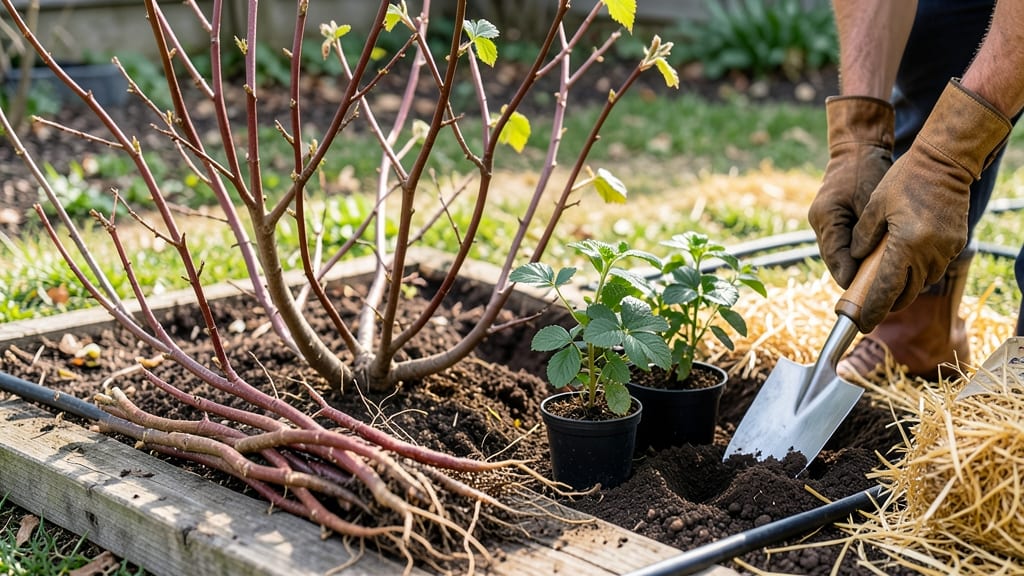
If you’ve ever planted blackberries in Virginia only to watch them wither under an unexpected frost, you know timing is everything. The difference between a thriving 🫐 bush and a failed harvest often comes down to knowing when to plant—whether you’re working with bare-root canes or potted plants.
Virginia’s climate zones 6a-8a create unique challenges, from early spring freezes in the mountains to milder coastal areas. That’s why the best planting windows are late winter to early spring (February-April) or early fall (September-October), when soil temperatures and frost risks align perfectly for survival.
I’ll break down the exact months to plant in your region, how to prep your soil for zero-frost success, and why some gardeners in Piedmont vs. Coastal Virginia should adjust their schedules. Ready to grow blackberries that actually thrive?
Let’s dive into the science-backed planting calendar that’ll give your bushes the best shot at a bountiful harvest—no guesswork required.
Virginia’s best planting months for blackberries (by region & variety)
Virginia’s diverse climate zones (USDA 6a-8a) create three distinct planting windows for blackberries. Whether you’re in Coastal Virginia’s milder Zone 8a or the Mountains’ cooler Zone 6a, timing matters.
Plant too early, and frost will kill tender roots. Too late, and roots won’t establish before winter. Here’s the exact month-by-month breakdown for your region.
For thornless varieties (like Natchez or Arapaho), which are popular in Virginia, the ideal window is slightly earlier than traditional types. These varieties need 4-6 weeks of root establishment before winter dormancy.
In contrast, traditional thorned varieties (like Cheyenne) can handle a 2-week later window due to their hardier canes.
🌱
📋 Virginia Blackberry Planting Guide by Region
| Region | USDA Zone | Best Planting Months | Soil Temp. Goal | Notes |
|---|---|---|---|---|
| Coastal Virginia | 8a | Late February–March (Spring) or September–October (Fall) | 50–60°F | Milder winters; extend fall window to November for Zone 8a. |
| Piedmont (Richmond, Charlottesville) | 7a–7b | March–April (Spring) or September (Fall) | 45–55°F | Avoid April if frost risk remains; fall planting must finish by mid-September. |
| Mountains (Roanoke, Blacksburg) | 6a–6b | April (Spring only; avoid fall) | 50°F+ | Fall planting is too risky due to early frosts; spring is the only safe window. |
| All Regions: Bare-root canes need 4–6 weeks to establish roots before winter. Use mulch (straw or leaves) to protect roots in Zone 6a. | ||||
If you’re planting potted blackberries (not bare-root), shift your timeline 2–4 weeks later. Potted plants have established roots and can handle slightly warmer soil. For example, in Zone 7b Piedmont, plant potted varieties in late March–April instead of March.
For fall planting, prioritize September in most of Virginia. By October, soil temperatures drop below 50°F, slowing root growth. In Coastal Virginia (Zone 8a), you can push to mid-November if using row covers for frost protection.
🌿
Pro tip: Check Virginia Cooperative Extension’s local frost maps (updated annually) for your exact county. For example, Lynchburg (Zone 7a) averages its last frost on April 1, while Norfolk (Zone 8a) sees frost-free soil by March 15.
Planting 10–14 days after your area’s last frost date ensures zero frost risk to new roots.
In Zone 6a Mountains, where winters are harsh, spring planting in April is your only option. Avoid fall planting entirely—blackberries planted in October or later often heave out of the ground during freeze-thaw cycles, killing the canes.
🌡️
Critical factors that determine your planting timeline in Virginia
Virginia’s last frost dates and soil temperatures are the two biggest factors in deciding when to plant blackberries. Unlike other plants, blackberries need the ground to warm to at least 50°F (10°C) before planting—cold soil can stunt root growth and invite rot.
In Virginia’s USDA zones 6a-8a, this typically happens between late March and early April for spring plantings.
But here’s the catch: Mountain regions (zone 6a) often see frost until May 15, while Coastal Virginia (zone 8a) can safely plant by March 1.
Always check the Virginia Cooperative Extension’s frost maps for your county—these are updated annually and account for microclimates like urban heat islands or sheltered valleys.
Don’t ignore microclimates—your neighbor’s yard might be 5°F warmer due to south-facing slopes or urban pavement heat. For example, Richmond’s downtown can plant blackberries 2 weeks earlier than nearby Chesterfield County. Look for low-lying areas where cold air pools—they’re the last to warm and first to freeze.
If you’re planting in fall (September-October), aim to get canes in the ground 6-8 weeks before first frost. This gives roots time to establish before winter dormancy.
In zone 7a (e.g., Lynchburg), that means early September; in zone 8a (e.g., Norfolk), you can push it to mid-October.
For bare-root plants, soak canes in water for 2-4 hours before planting to revive roots. If you’re using potted blackberries, avoid planting until the soil is warm enough—pots heat up faster and can trick you into planting too early.
Always amend your soil with compost or aged manure to improve drainage, since blackberries hate soggy roots.
Use these three rules to time your planting perfectly:
- Spring: Wait until soil is 50°F+ AND no frost predicted for 2 weeks.
- Fall: Plant 6-8 weeks before first frost—check VCE’s frost calendar.
- Always: Plant thornless varieties first if mixing types.