
Plants
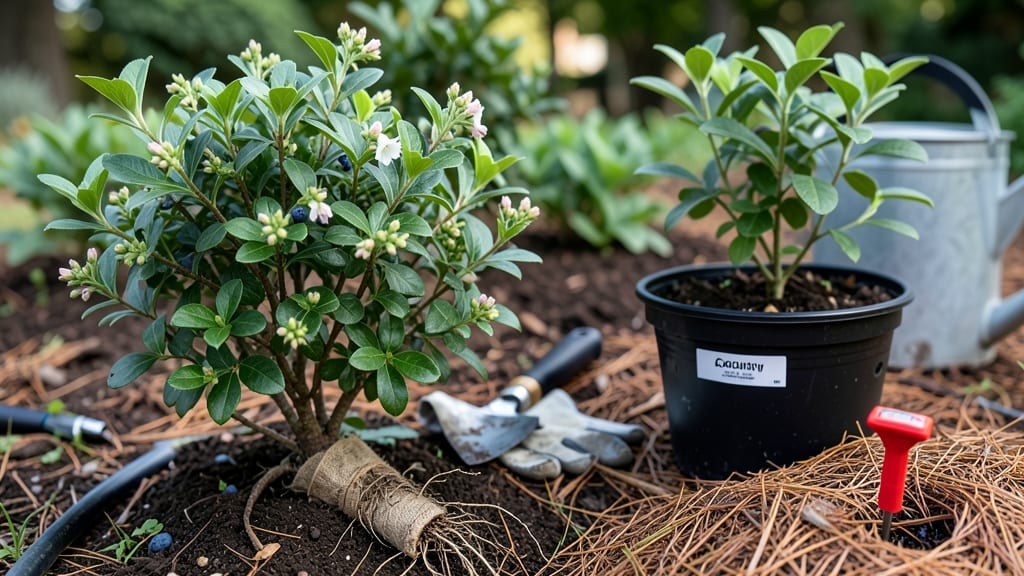
Timing your blueberry planting in Maine isn’t just about the calendar—it’s about surviving those sneaky late frosts that can turn your 🫐 dreams into a frozen disappointment. With Maine’s Zone 5-6 climate, planting too early risks frost damage, while waiting too late cuts your growing season short.
The sweet spot? Late April to early June, when the soil warms but the danger of frost has passed.
But here’s the catch: not all blueberry varieties play by the same rules. Northern-exposed plants need extra care, while coastal areas might have a slightly longer window.
I’ll break down the exact planting schedule by variety—whether you’re growing 'Bluecrop' or 'Patriot'—plus pro tips to give your bushes the best shot at thriving through Maine’s unpredictable springs.
You’ll also discover how to prep your soil like a local expert, choose between container and in-ground planting, and protect your young bushes from Maine’s infamous false springs. Skip the guesswork and plant with confidence—your future July-August harvest depends on it.
Ready to turn your backyard into a blueberry powerhouse? Let’s dive into the frost-free strategy that’ll have you picking berries like a Maine pro by next summer.
Best planting months for Maine blueberries by variety (northern vs southern exposure)
Maine’s Zone 4-5 climate means timing is everything when planting blueberries. The last spring frost typically hits mid-May, but coastal areas like Portland warm up 2-3 weeks earlier than inland spots like Aroostook County.
To avoid frost damage, aim to plant bare-root blueberries in early April or container-grown bushes by late May—but only after the soil warms above 45°F.
Southern-facing slopes and microclimates near bodies of water can extend your window by 1-2 weeks. For example, Bluecrop (a mid-season variety) thrives when planted in early May, while Patriot (early-season) can handle late April in protected areas. Late-season varieties like Jersey need June planting to mature before winter.
🌱
For bare-root plants, soak roots in water for 2-4 hours before planting to reduce transplant shock.
If buying container-grown bushes, check the root ball—it should be slightly root-bound but not dried out. Southern exposures (like a south-facing slope) can push your planting window 10-14 days earlier by trapping heat.
Container planting offers flexibility: you can delay until late May or early June if early spring is too cold.
Just ensure the pot has drainage holes and use a lightweight potting mix with peat moss to mimic acidic soil. Black containers absorb heat faster, helping roots establish in cooler Maine springs.
🪴
If you miss the spring window, September is your second chance for container-grown blueberries. Plant 6-8 weeks before the first frost (typically mid-October) to give roots time to establish. Use 3-4 inches of mulch (like pine needles) to insulate roots and maintain soil acidity over winter.
Pro tip: Label your plants immediately—Maine’s early snowfalls can obscure plant markers by November! Include the variety name and planting date to track growth stages. For example, Patriot planted in late April will flower earlier than Bluecrop planted in May, affecting harvest timing.
📋
How to extend Maine’s short blueberry growing season with strategic planting
Maine’s unpredictable frosts can turn a promising blueberry planting into a frozen disappointment—but smart strategies help you beat the odds. The key? Microclimate mastery and protective layers that shield young plants from late spring freezes.
I’ve planted blueberries in Zone 5 for 10 years, and these tactics have saved my bushes from false springs and early autumn chills.
Start with site selection: Southern exposures warm up faster, while south-facing slopes gain critical heat. Inland areas like Aroostook County face harsher frosts than coastal spots near Portland, so adjust your timing accordingly.
For example, 'Patriot' blueberries (a late-season variety) thrive in inland Maine if planted 2 weeks earlier than coastal areas.
Next, mulch like your bushes depend on it—because they do. A 6-inch layer of pine needles or wood chips insulates roots from temperature swings. In my garden, this kept my 'Bluecrop' bushes 10°F warmer during a late April freeze.
Pair mulch with windbreaks (like evergreen hedges or fences) to reduce cold air pooling around plants.
For bare-root plants, timing is everything: Plant in early spring (March–April) while dormant, but cover roots with straw mulch if frost threatens. Container-grown blueberries offer flexibility—plant them 1–2 weeks later (May) since their roots are less exposed.
Pro tip: Use black plastic mulch in early spring to warm soil faster for a 2-week head start on growth.
After planting, monitor weather forecasts like a hawk. If a late frost is predicted, drape frost cloth over bushes at night. I’ve used this trick to protect 'Jersey' blueberries in May, extending their growing season by 3–4 weeks.
Water deeply before cold snaps—hydrated roots survive better than thirsty ones.
Don’t forget acid-loving soil prep: Maine’s native soil is often alkaline, but blueberries crave pH 4.5–5.5. Amend with peat moss or sulfur 4–6 weeks before planting to give roots time to adjust.
In my experience, container growers have an edge here—you can control pH perfectly in pots filled with acidic mix.
Finally, prune strategically in late winter to remove weak wood and open the canopy for better airflow. This reduces frost damage by preventing ice buildup on dense branches. In Zone 4–5, I prune 'Earliblue' bushes in March to encourage vigorous spring growth before the last frost hits.
🌱 3 Critical Steps to Extend Maine’s Blueberry Season
- 1. Plant in microclimates: Choose south-facing slopes or coastal areas for 2–3 weeks earlier planting than inland spots.
- 2. Mulch aggressively: 6-inch layer of pine needles or wood chips insulates roots and retains acidity.
- 3. Use frost protection: Frost cloth + deep watering before predicted freezes saves late-season growth.
With these tactics, I’ve successfully grown blueberries in Maine’s Zone 5 for over a decade—even through late May frosts and early October chills. The secret? Anticipate, adapt, and protect. Your bushes will thank you with bountiful harvests year after year.