
Plants
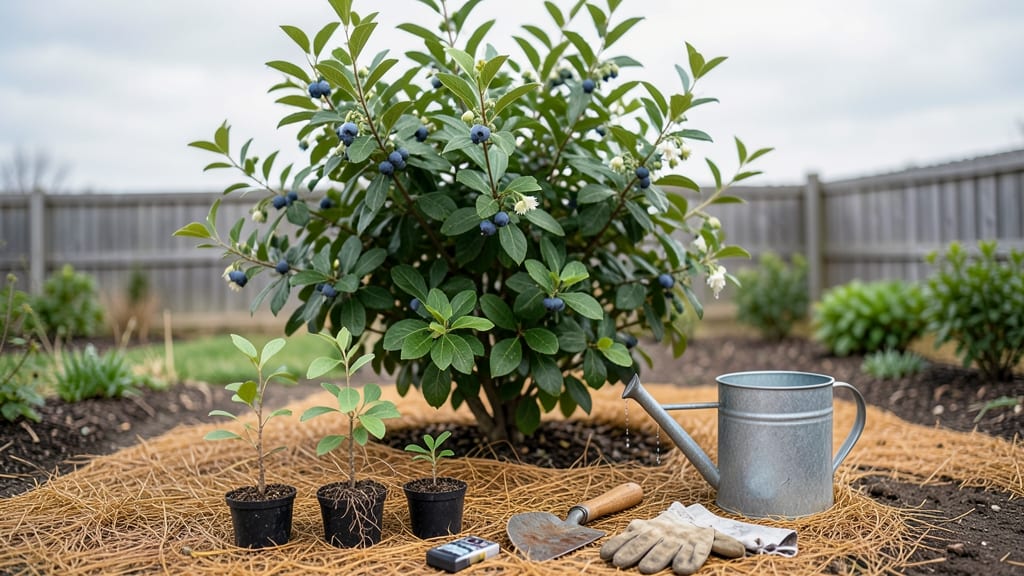
If you're wondering when to plant blueberries in Zone 5, timing is everything—get it wrong, and your 🫐 bushes could freeze or struggle to establish before winter. The key lies in two perfect windows: early spring (April-May) or early fall (September-October), when soil is workable but frost isn't lurking.
Zone 5 gardeners face a tricky balance—plant too early, and late frosts will damage tender roots; too late, and your bushes won't have time to grow strong before winter. I'll break down the exact frost-date rules and soil prep tricks to give your blueberries the best shot at thriving.
Beyond the calendar, your microclimate matters. A sheltered spot or mulch layer can shave weeks off frost risks, while the right variety (like cold-hardy 'Patriot') makes all the difference. Let's dive into the science and simple steps to plant blueberries that'll reward you with juicy harvests for years.
You'll learn how to read your last frost date, prep acidic soil, and choose varieties that handle Zone 5's chill—so you can skip the guesswork and start planting with confidence. Ready to grow your own blueberry patch?

Zone 5 blueberry planting timeline: exact months and frost-date rules
Blueberries thrive in Zone 5 but demand precision when planting—miss the window, and your bushes may struggle or fail. The key is planting after the last frost but before summer heat sets in.
For most of Zone 5, this means April to May for spring planting or September to October for fall planting.
Your last frost date is the critical benchmark. In Zone 5, this typically falls around mid-May, but it varies by microclimate. Use the USDA Plant Hardiness Zone Map or local weather data to pinpoint your exact date.
Planting too early risks frost damage, while waiting too long delays root establishment.
For spring planting, aim for 2-4 weeks after your last frost. This gives young roots time to establish before summer heat arrives. If you choose fall planting, do it 6-8 weeks before the first frost (usually late September) to allow roots to settle before winter.
| Planting Window | Best Months | Key Considerations |
|---|---|---|
| Spring Planting | April–May | After last frost; soil temp ≥50°F |
| Fall Planting | September–October | 6–8 weeks before first frost |
| Avoid Planting | June–August | Extreme heat stresses young roots |
💡 Pro Tip: Use a frost-date calculator (like the Old Farmer’s Almanac) for your exact location.
Adjust your timeline if your area experiences unpredictable frosts. For example, northern Zone 5a may have later frosts than southern Zone 5b. If you’re unsure, opt for container planting—you can move pots indoors or to a sheltered spot during late frosts.
Blueberries need 60–90 days to establish roots before winter. Fall-planted bushes benefit from this head start, while spring-planted bushes rely on summer’s warmth. Mulch heavily (3–4 inches of pine straw or wood chips) to insulate roots and retain moisture during both seasons.
If you’re planting bare-root blueberries, do it as soon as possible after purchase—roots dry out quickly. Soak roots in water for 1–2 hours before planting to revive them. For container-grown bushes, plant at the same depth as their nursery pot to avoid stress.
Watch for late-season frosts in May or early June, which can damage new growth. Use row covers or frost cloth on young plants until they’re established. Older bushes (3+ years) handle cold better but still benefit from protective mulch.
For maximum harvests, stagger planting: add a few bushes in spring and others in fall. This extends your fruit production window and reduces risk if one planting fails due to weather. Blueberries planted in early fall often yield earlier the following summer.
Finally, pair your planting timeline with soil prep. Blueberries demand acidic soil (pH 4.5–5.5) and well-draining conditions. Test your soil 4–6 weeks before planting to adjust pH with sulfur or peat moss. Healthy soil = happier bushes!
How to prepare your Zone 5 soil for blueberry planting success
Blueberries are picky eaters when it comes to soil—get it wrong, and you’ll struggle with stunted growth or poor fruit production. The #1 rule for Zone 5 blueberries is acidic soil (pH 4.5–5.5).
Most garden soil runs neutral (pH 6.0–7.5), so you’ll likely need to amend it before planting. Start by testing your soil’s pH 4–6 weeks before your target planting date.
Use a home pH test kit or send a sample to your local cooperative extension office for professional analysis.
If your soil is too alkaline, mix in elemental sulfur (1–2 pounds per 100 sq ft) or peat moss to lower the pH. For sandy soil, add composted pine bark or leaf mold to improve moisture retention and acidity.
Blueberries also need well-draining soil to prevent root rot. If your soil is clay-heavy, mix in 3–4 inches of compost or sand (50/50 blend) to improve drainage.
For container planting, use a 50/50 mix of peat moss and perlite to mimic their natural bog-like habitat. Raise beds if your yard has poor drainage—blueberries hate soggy feet!
Before planting, dig a 12-inch-deep hole for each bush and mix in 2–3 cups of acid-loving fertilizer (like cottonseed meal or blood meal) to provide slow-release nitrogen.
Avoid synthetic fertilizers high in phosphorus—they can further raise pH. Instead, opt for organic amendments like composted manure or worm castings for long-term soil health.
Mulch your blueberry beds with 3–4 inches of pine straw or wood chips to maintain soil acidity and suppress weeds. Avoid cedar mulch—its oils can harm young plants.
Replenish mulch annually in early spring to keep roots cool and moist. Never mulch against the stem; leave a 2-inch gap to prevent rot.
If you’re planting in containers, choose pots at least 18 inches deep and wide—blueberries need room for root growth. Use a well-draining potting mix with added sphagnum peat moss (20–30%) to keep acidity stable.
Containers warm up faster in spring, so delay planting until soil temps reach 50°F to avoid root shock.
Finally, consider companion planting to naturally boost soil health. Pair blueberries with clover or fescue grass (which fixes nitrogen) or comfrey (a dynamic accumulator that adds minerals). Avoid planting near tomatoes, potatoes, or eggplants—they compete for nutrients and can spread diseases.
With the right soil prep, your Zone 5 blueberries will thrive and reward you with juicy harvests for decades.