
Plants
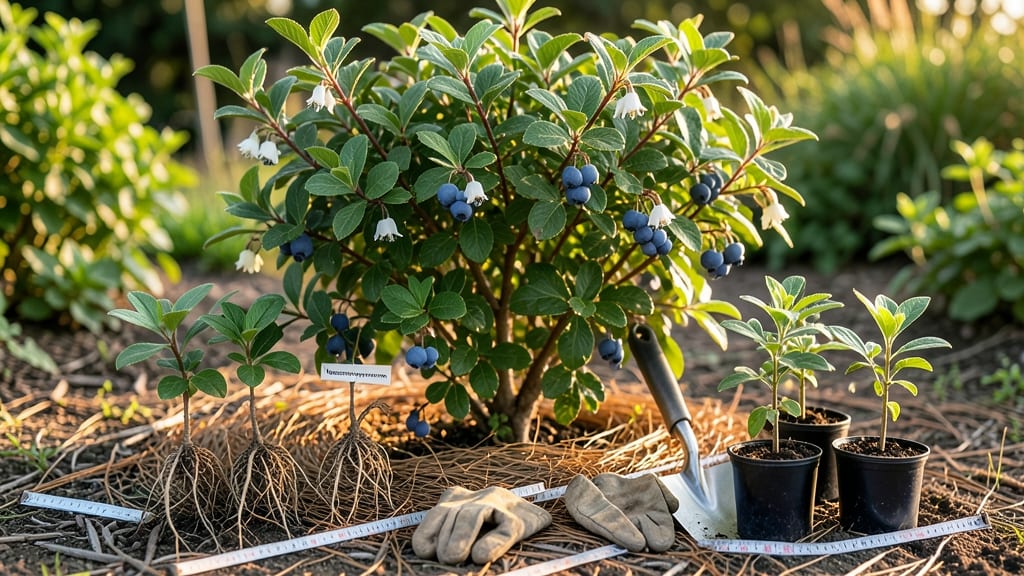
Planting your blueberry bushes 🫐 in Mississippi at the wrong time could mean the difference between a thriving harvest and years of disappointment. With the state's unique climate zones—ranging from 7b to 9a—timing isn't just about seasons, it's about understanding how local frost patterns and humidity affect root growth.
Most gardeners assume spring is the only option, but late fall can actually give your bushes a head start. I’ll break down the exact months that work best for Mississippi’s northern and southern regions, so you can avoid common mistakes that stunt growth or delay fruiting.
You’ll learn how to prepare your soil for these acid-loving plants, adjust for Mississippi’s heavy clay, and even account for microclimates that can shift your ideal planting window by weeks. Let’s get those blueberries off to the right start!
Whether you’re in the cooler hills of the north or the warmer Gulf Coast, these zone-specific tips will help you plant with confidence. By following the right timing and care steps, you’ll be enjoying homegrown berries in just a few seasons.
Best planting months for blueberry bushes in Mississippi’s climate zones
Mississippi’s climate zones 7b-8b create a narrow window for planting blueberry bushes—too early and roots struggle with heat, too late and they won’t establish before winter. The ideal planting months are November through early March, with December-January being the sweet spot for most regions.
Blueberries thrive when planted during dormancy (late fall to early spring), allowing roots to establish before active growth begins. In Mississippi’s humid subtropical climate, summer planting is risky due to heat stress and fungal diseases like botrytis blight.
For bare-root plants, aim to plant 6-8 weeks before your area’s last frost date. In Northern Mississippi (Zone 7b), this means planting by late February, while Southern Mississippi (Zone 8b) gardeners can extend planting until early March.
Mississippi’s soil temperature plays a critical role—roots need 40-50°F soil temps to establish. Use a soil thermometer to confirm conditions before planting. In clay-heavy Mississippi soils, cooler temps also prevent root rot.
If you miss the fall window, early spring planting (February-March) is the next best option. Just be prepared to water deeply and mulch heavily to protect young plants from spring heat waves that can stress newly planted bushes.
🌱
| Planting Window | Zone 7b (North MS) | Zone 8b (South MS) | Key Considerations |
|---|---|---|---|
| Late Fall (Dormant) | November-December | November-January | Best for root establishment; avoid frost |
| Early Spring | February-March | February-April | Higher heat risk; needs extra water |
| Soil Temp Threshold | 40-50°F | 40-50°F | Use soil thermometer; plant when cool |
| Last Frost Date | Mid-March | Late February | Plant 6-8 weeks before last frost |
| Avoid Planting | April-October | May-September | Heat stress and fungal risks |
In Northern Mississippi, where cold snaps can linger into March, prioritize November planting for early root growth. I’ve found that Southern varieties like 'Aliceblue' handle Mississippi’s heat better once established, but they still need cool soil at planting.
For container-grown blueberries, the window extends slightly—plant through April in Zone 8b—but expect delayed fruiting as plants recover from transplant shock. Always acclimate container plants for 1-2 weeks before planting to reduce stress.
Mississippi’s humidity (70-80% in summer) means fungal diseases are a constant threat. Planting in dormant season minimizes this risk, but mulch with pine straw year-round to maintain acidic soil conditions (pH 4.5-5.5) that blueberries crave.
Pro tip: Mark your calendar for February 1st—this is the absolute deadline for planting in Zone 7b before summer heat sets in. In Gulf Coast areas (Zone 8b), you can push it to March 15th, but be ready to provide afternoon shade if temperatures exceed 90°F.
🌿
Southern vs. Northern Mississippi: microclimate adjustments for blueberry planting
Mississippi’s geography creates distinct microclimates that directly impact when and how you should plant blueberry bushes. Northern regions like Tupelo and Oxford experience cooler winters and earlier frosts, while southern areas like Biloxi and Gulfport enjoy milder winters and extended growing seasons. These differences mean your planting window could shift by 2-3 months depending on where you live. In Northern Mississippi (Zone 7b), the last frost typically arrives around mid-March, making late fall (October-November) the safest time to plant bare-root bushes. The cooler temperatures help roots establish before winter dormancy. Meanwhile, Southern Mississippi (Zone 8a-9a) gardeners can plant as late as early January due to milder winters, but avoid summer planting entirely—heat stress slows root growth and increases transplant shock.| Factor | Northern Mississippi (Zone 7b) | Southern Mississippi (Zone 8a-9a) |
|---|---|---|
| Last Frost Date | Mid-March | Late February |
| First Frost Date | Mid-November | Early December |
| Best Planting Window | October-November or March-April | November-January or March-April |
| Harvest Window | Late May-June | Early May-July |
| Key Microclimate Risk | Late spring frosts | Summer heat stress |
Pro tip: Use a frost calendar from your local Mississippi State University Extension office to fine-tune your planting schedule. Their data accounts for microclimate variations that generic zone maps miss.
🌱