
Plants
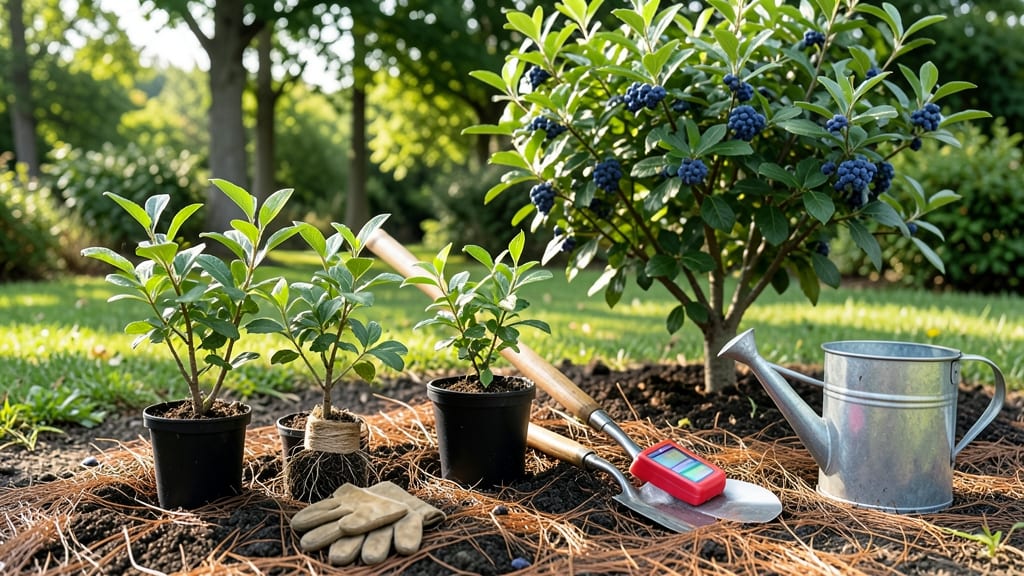
Timing your blueberry planting in Wisconsin isn’t just about the calendar—it’s about outsmarting unpredictable frosts that can turn a promising start into a wasted season.
Whether you’re a first-time gardener or a seasoned grower, getting those 🫐 roots in the ground at the right moment makes all the difference between a thriving bush and a sad, stunted plant.
In Zone 4a-6b, where last frosts linger into May and early freezes can sneak in by October, the window for planting blueberries is narrow but critical. Most gardeners swear by fall planting—between September and early October
The key? Avoiding those sneaky late frosts that can fry tender new growth before it even gets a chance to establish. You might be wondering: What if I plant too early or too late? That’s exactly what we’ll cover—plus the best varieties for Wisconsin’s climate, whether to go bare-root or potted, and how to prep your soil for maximum success. Let’s break down the exact timing you need to turn your blueberry dreams into a reality. Ready to grow berries that rival the ones from the grocery store? The secret starts with knowing when to plant—and we’ve got the Wisconsin-specific tips to get you there without the guesswork. Let’s dig in!
Wisconsin blueberry planting calendar: exact dates by Zone 4-5 frost timing
Wisconsin’s USDA Zones 4-5 present unique challenges for blueberry planting due to late spring frosts and short growing seasons. The ideal planting window shifts between spring (after last frost) and fall (before first frost), depending on your location and whether you’re planting bare-root or container-grown blueberries.
Let’s break down the exact dates and strategies for your specific zone.
For Zone 4 (northern Wisconsin), where last frosts average May 15–June 1, spring planting becomes riskier. Meanwhile, Zone 5 (southern Wisconsin) enjoys slightly earlier last frosts (April 25–May 10), giving you a wider spring window.
Fall planting, however, is safer in both zones because established roots have time to harden before winter.
🌱
| Planting Window | Zone 4 (Northern WI) | Zone 5 (Southern WI) | Best Method |
|---|---|---|---|
| Spring Planting | Late May–Early June (after last frost) | Mid-April–Late May (after last frost) | Container-grown (more flexible) |
| Fall Planting | September 1–October 15 (before first frost) | September 15–October 30 (before first frost) | Bare-root or container (both recommended) |
| Backup Window | Late June–Early July (if missed) | Late June–Early July (if missed) | Container-grown (only option) |
| Soil Temp Requirement | 45°F+ (consistently) | 45°F+ (consistently) | Use soil thermometer |
Spring planting in Wisconsin demands patience. If you’re using bare-root plants, wait until the soil warms to at least 45°F—typically late May for Zone 4 and mid-April for Zone 5.
Container-grown blueberries offer more flexibility, allowing you to plant as soon as the ground isn’t frozen, but avoid planting when nighttime temps dip below 40°F.
Fall planting, however, is my top recommendation for Wisconsin gardeners. Planting between September and early October gives roots time to establish before winter, reducing transplant shock. For Zone 4, aim to finish by October 15; for Zone 5, you can push it to October 30.
Water deeply after planting, then mulch with 3–4 inches of pine needles to retain moisture and acidify the soil.
If you miss both windows, don’t panic! You can still plant container-grown blueberries in late June or early July, though they may take longer to establish and fruit.
Just be prepared for smaller yields in the first year and protect young plants from late summer heat stress with shade cloth if needed.
For Zone 4 gardeners, consider using black plastic mulch in spring to warm the soil faster and extend your planting window. This simple trick can shave off 1–2 weeks of waiting for the ground to thaw.
Pair it with row covers in early spring to protect against late frosts that could damage new growth.
🌿
Lastly, always check your local frost dates using the Wisconsin State Climatology Office or a microclimate app like PlantNet. Urban areas and south-facing slopes may experience earlier last frosts than rural zones, so adjust your timeline accordingly.
With the right timing, your blueberry bushes will thrive and reward you with juicy, homegrown berries for decades.
5 Critical factors that determine your Wisconsin blueberry planting window
Planting blueberries in Wisconsin isn’t just about picking a month—it’s about understanding how soil temperature, last frost dates, and even your yard’s microclimate shift the ideal window.
In Zone 4-5, these factors can push your planting dates by weeks, meaning the difference between success and failure often comes down to paying attention to details most gardeners overlook.
For example, northern Wisconsin’s Zone 4a (like Superior or Rhinelander) has a shorter frost-free season, while southern Zone 5b (like Madison or Milwaukee) offers a longer window. Even within your county, a south-facing slope might warm up 2-3 weeks earlier than a low-lying, shady spot.
These microclimates can mean the difference between planting in early May or waiting until June.
Another game-changer is choosing the right blueberry variety. Northern highbush types like ‘Bluecrop’ or ‘Patriot’ thrive in Wisconsin’s climate, while southern highbush varieties (like ‘Rabbiteye’) struggle with our early frosts.
Even lowbush varieties (‘Lowbush’) have different timing needs—often best planted in early fall to establish roots before winter.
Don’t forget soil temperature: blueberry roots need the ground to be at least 40°F (4°C) before planting. In Wisconsin, this usually means waiting until late April or May for spring plantings, unless you’re using container-grown plants, which can handle slightly cooler soil.
Fall plantings, however, should happen when soil temps drop below 50°F (10°C)—typically by mid-September—to avoid root stress.
🌱 Numbered Highlights: Wisconsin Blueberry Planting Factors
- 1. Last Frost Dates: Wait until after May 15 in Zone 4, after May 1 in Zone 5—check your local USDA frost map.
- 2. Soil Temperature: Roots need 40°F+ for spring; 50°F-60°F is ideal for fall planting.
- 3. Microclimates: South-facing slopes warm 2-3 weeks earlier than low areas—plant there first.
- 4. Variety Type: Northern highbush (‘Bluecrop’) thrives; avoid southern varieties like ‘Rabbiteye’.
- 5. Plant Type: Bare-root needs moist soil**; container plants tolerate drier conditions.
One more critical factor is plant type. Bare-root blueberries must be planted immediately after purchase, while container-grown plants offer flexibility—you can hold them longer or even plant in late spring if needed.
However, container plants cost more and may require extra care to transition to outdoor conditions. For Wisconsin gardeners, bare-root in fall or container in spring are the safest bets.
Finally, don’t underestimate the power of acidic soil prep. Blueberries demand a pH of 4.5-5.5, and testing your soil in early spring gives you time to amend it before planting.
If your soil is too alkaline, adding sulfur or peat moss in the fall can save you from struggling with poor growth later. Timing your soil prep is just as critical as the planting itself!