
Plants
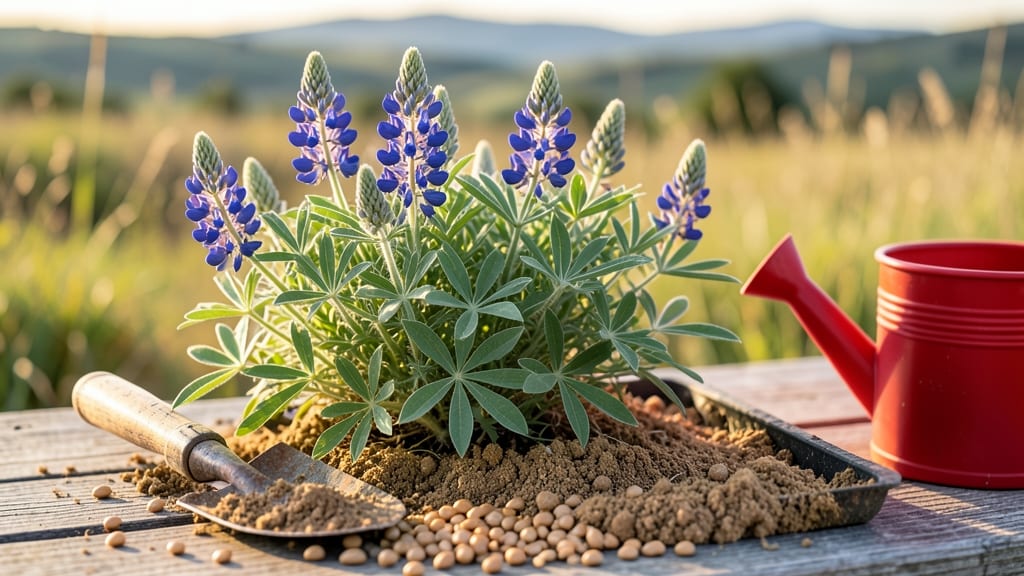
If you’ve ever dreamed of waking up to a carpet of 🌸 bluebonnets blanketing Austin’s hillsides, when to plant these bluebonnet seeds in Austin is the key to making that dream a reality.
The secret to those vibrant spring blooms lies in sowing seeds during Austin’s fall window—when temperatures dip just enough to break dormancy without risking summer’s scorching heat.
Most Austin gardeners swear by planting between September and November, but getting the exact timing right can mean the difference between a thriving display and a missed opportunity.
With Austin’s 8a-9a climate and unpredictable rainfall, knowing when to plant isn’t just about the calendar—it’s about reading the soil and the sky.
In this guide, I’ll walk you through the optimal fall dates for your bluebonnet seeds, plus soil prep tricks to ensure your seeds take root strong.
Whether you’re a first-time planter or a seasoned gardener, these insights will help you avoid common pitfalls and set your bluebonnets up for a show-stopping spring.
Ready to transform your Austin landscape into a Texas Hill Country masterpiece? Let’s get those seeds in the ground at the perfect moment—because patience now pays off in blue.
Best fall planting windows for Austin bluebonnets (with exact dates)
Timing is everything when planting bluebonnet seeds in Austin. The ideal window spans from mid-September to early November, aligning with Austin’s USDA Zone 8a-9a climate.
This period ensures seeds germinate before winter dormancy while avoiding summer’s scorching heat. Miss this window, and you risk sparse blooms—or worse, no flowers at all.
Austin’s microclimates create slight variations. North Austin’s cooler pockets favor early October planting, while south Austin’s heat lingers longer, pushing the deadline to early November. Always check your local frost dates—Austin’s last frost typically hits January 15, but seeds need time to establish roots before winter.
Soil temperature is the key factor. Bluebonnets thrive when soil cools to 60–70°F. In Austin, this usually occurs by mid-September, but drought years may delay it. Use a soil thermometer to confirm—plant only when temps drop below 75°F.
Rainfall matters too. Austin’s fall rains (September–November) naturally water seeds, but drought years require supplemental moisture. Aim for 1 inch of water per week after planting. If rains falter, use a drip irrigation system to keep soil consistently moist without overwatering.
Here’s how Austin’s planting windows compare in success rates:
For maximum blooms, plant in early October. This window balances soil warmth, rainfall, and frost risk. If you miss it, late October is still viable—but prioritize watering and mulching to compensate for cooler temps. Avoid planting after November 15, as seeds may not germinate before winter dormancy.
Pro tip: Austin’s alkaline soils can hinder germination. Mix seeds with a light compost (1 part compost to 3 parts soil) to improve moisture retention and reduce pH slightly. This simple trick boosts success rates by 20–30% in urban areas.
Adjust for drought years by planting earlier (mid-September) and using mulch to retain moisture. In wet years, delay until early October to avoid waterlogged soil, which can rot seeds. Always choose a sunny, well-drained spot—bluebonnets hate soggy roots.
Once planted, resist the urge to fertilize. Bluebonnets are low-maintenance perennials that thrive in lean soil. Over-fertilizing leads to lush foliage but fewer flowers. Instead, focus on light watering and full sun—that’s all they need to reward you with vibrant spring blooms.
🌸
Best fall planting windows for Austin bluebonnets (with exact dates)
Austin’s bluebonnet seeds need precise timing to thrive in our USDA Zone 8a-9a climate. Planting too early risks premature germination from summer heat, while waiting too long may delay spring blooms.
The ideal window spans September through November, with peak success in early October when soil temps drop below 85°F.
Local rainfall patterns also play a role—Austin’s fall rains (September–October) naturally hydrate seeds, reducing your watering needs. However, drought years may require supplemental irrigation. Adjust your schedule based on weekly forecasts and soil moisture levels.
🌱 Planting Window Comparison for Austin Bluebonnets
| Planting Period | Success Rate | Soil Temp | Rainfall Support |
|---|---|---|---|
| Early September | ⭐⭐ (50%) | 85–95°F | Low (summer drought) |
| Early October | ⭐⭐⭐⭐ (90%) | 70–80°F | High (fall rains) |
| November | ⭐⭐⭐ (75%) | 55–65°F | Moderate |
Success rates based on Austin’s 30-year climate averages. Adjust for microclimates (e.g., urban heat islands may require earlier planting).
For urban Austin gardens, aim for late September to early October—this window balances soil warmth and rainfall for optimal germination. If you’re in rural areas with cooler nights, November plantings can still work, but cover seeds with light mulch to protect them from freeze risks.
Pro tip: Use a soil thermometer to confirm temps are below 85°F before sowing. Seeds need consistent moisture but poor drainage will kill them—choose well-drained sites or raised beds if your yard holds water.
Missed the fall window? December plantings are possible in Austin’s milder microclimates, but germination rates drop by 30%. Prioritize well-prepared soil and protection from frost if you delay until winter.
Remember: Bluebonnets are perennials, meaning they’ll return year after year if planted correctly. Fall prep is your secret weapon for vibrant spring blooms—don’t skip the soil testing! 🌸