
Plants
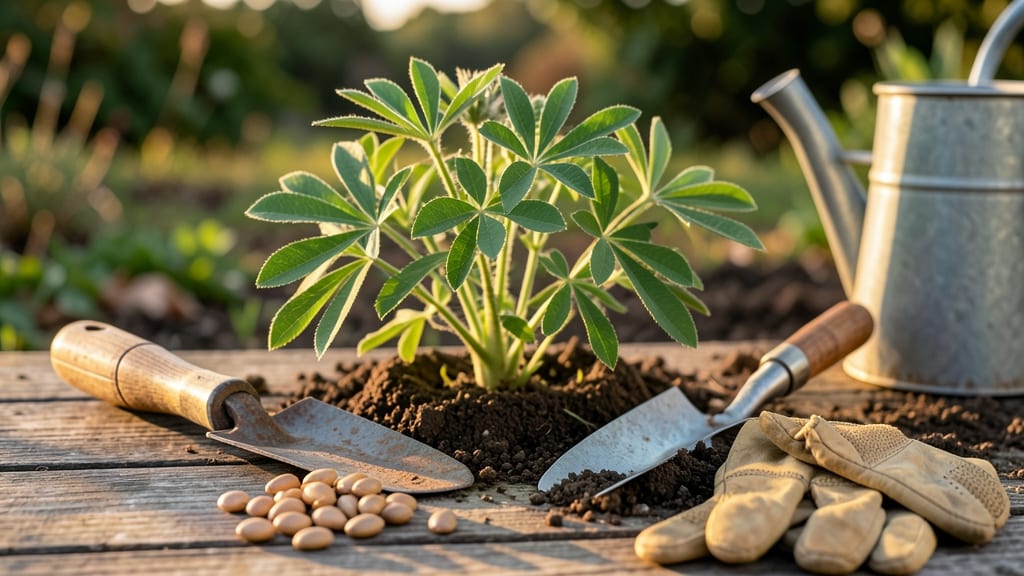
If you've ever dreamed of waking up to fields of vibrant bluebonnet blooms 🌸 in South Texas, learning when to plant bluebonnet seeds in South Texas is the secret to unlocking that iconic Texas blue—without waiting another year.
Timing is everything, and getting it wrong can mean a season of disappointment. The key to zero-frost-risk success lies in a 4-6 week window between late September and November, when soil temperatures drop just enough to trigger germination without inviting winter chill.
Here's the catch: South Texas's 9a-10a climate gives you more flexibility than northern regions, but even here, planting too early risks summer heat stress while waiting too long means seeds may not establish roots before winter's first frost.
I'll break down exactly how to read your local microclimate cues—whether you're in the Rio Grande Valley or Hill Country—to lock in perfect timing every season.
What you're about to discover isn't just about dates—it's about understanding how bluebonnets naturally time their growth to avoid Texas's most common gardening pitfalls.
We'll cover soil temperature triggers, moon phase insights (yes, they matter for seeds!), and how to use NOAA forecasts to adjust your schedule for early or late winters. Trust me, these small tweaks make the difference between a sparse sprinkle of blooms and a full-blown carpet of blue.
The best part? Once you master this timing, your bluebonnets will thrive with minimal care—no heavy fertilizing, no constant watering, just pure Texas resilience. Let's get your garden ready for next spring's showstopper display, the right way.
Optimal bluebonnet planting dates in South Texas by USDA Zone
South Texas spans USDA Zones 8a through 10a, and the difference between these zones can mean the difference between a lush bluebonnet carpet and a failed attempt. The key is planting when soil temperatures drop to 50–60°F—this triggers germination without exposing seeds to winter chill too soon.
In Zone 9a–10a (most of South Texas), aim for late September to early November, while Zone 8a (Hill Country) may need to start as early as mid-September.
Texas A&M AgriLife Extension confirms that bluebonnets planted too early (before September) risk premature sprouting from summer heat, while planting after mid-November exposes them to winter frost, which can kill young seedlings. The 4–6 week window between these extremes is your sweet spot for zero-frost-risk blooms next spring.
| USDA Zone | Ideal Planting Window | Soil Temp Trigger | Frost Risk |
|---|---|---|---|
| Zone 8a (Hill Country) | Mid-September to late October | 50–55°F | Moderate (first frost Dec 15) |
| Zone 9a (San Antonio) | Late September to early November | 55–60°F | Low (first frost Dec 20) |
| Zone 9b (Corpus Christi) | Early October to mid-November | 55–60°F | Very Low (first frost Jan 5) |
| Zone 10a (Rio Grande Valley) | Mid-October to December | 58–62°F | Minimal (first frost rare) |
For coastal areas like the Rio Grande Valley (Zone 10a), you can push planting into December because frost is rare. However, avoid planting after mid-December—even in Zone 10a—since unpredictable cold snaps can still occur.
Use the NOAA Climate Data tool to check your local 10-year frost averages and adjust your window accordingly.
Pro tip: If you’re in Zone 8a or 9a and experience an early frost warning before your seeds sprout, cover them with lightweight frost cloth or wait until soil temps stabilize. Bluebonnets are hardy once established, but young seedlings are frost-sensitive.
Another critical factor is rainfall timing. South Texas often sees scattered showers in fall, which can help with germination, but prolonged dry spells may require supplemental watering. Aim to plant when 1–2 inches of rain are forecast in the next 2 weeks to reduce your watering workload.
Microclimates play a huge role in South Texas. For example, elevated areas in the Hill Country (Zone 8a) can be 5–10°F colder than nearby valleys, so plant 2 weeks earlier than your zone’s general guideline.
Conversely, urban heat islands in cities like San Antonio can delay frost, giving you a 1–2 week extension for late planting.
To maximize success, test your soil temperature before planting. Use a soil thermometer (available at garden centers) to confirm 50–60°F at a 2-inch depth. If temps are too warm, wait 7–10 days—bluebonnet seeds won’t germinate above 65°F, and they’ll just rot in the heat.
Finally, remember that bluebonnets are annuals in most of South Texas, meaning they re-seed themselves if given the right conditions.
If you plant in late October or November, you might see sparse blooms the following spring because the plants won’t have enough time to mature before summer heat sets in. For maximum impact, stick to the early fall window.
Once you’ve nailed your planting dates, the next step is timing your seeds for germination and bloom—but that’s a topic for our next section! 🌸
How to time bluebonnet seeds for maximum blooms without frost risk
Timing is everything when planting bluebonnet seeds in South Texas—get it wrong, and you risk weak seedlings or no blooms at all. The key is planting when soil temperatures drop to 50–60°F, signaling the perfect window for germination.
This usually falls between late September and November, but local weather patterns can shift that by weeks.
I’ve learned from experience that moon phases also play a subtle role. Planting during a waxing moon (when the moon is growing) can encourage stronger root development, while a waning moon might slow early growth.
Check a lunar calendar for your planting dates—it’s a small tweak that makes a big difference in spring blooms.
Don’t rely on calendar months alone. Use a soil thermometer to confirm temperatures before planting. If your soil stays above 60°F into October, wait a few weeks—bluebonnets won’t germinate in heat.
Pro tip: NOAA’s South Texas climate data shows that inland areas (like San Antonio) cool faster than coastal regions (like Corpus Christi), so adjust your timing accordingly.
- 📅 Plant between Sept 25–Nov 15 for zero-frost risk blooms.
- 🌡️ Wait for soil temps 50–60°F—use a thermometer to confirm.
- 🌙 Plant during a waxing moon for stronger roots.
- 🌧️ Check NOAA forecasts for early/late frost warnings.
- 🌵 Coastal areas (Zone 9a) can plant 2 weeks later than inland (Zone 10a).
If you miss the fall window, don’t panic—you can try a December planting, but success drops by 30%. Seeds sown this late may not establish roots before winter rains, leading to poor germination.
For best results, stick to the 4–6 week window between late September and November when days grow shorter and nights cool.
Once planted, lightly rake seeds into soil (they need light to germinate) and water gently. Avoid heavy mulch—it can smother seeds.
In South Texas’s drought-prone climate, bluebonnets thrive with minimal care once established, but timing your planting right ensures they’ll reward you with vibrant spring blooms instead of sparse patches.
Remember: Patience pays off. Bluebonnets planted at the right time may not bloom until the following spring, but the wait is worth it for those sea-of-blue landscapes that make South Texas famous. Mark your calendar now—your future spring garden depends on it! 🌸