
Plants
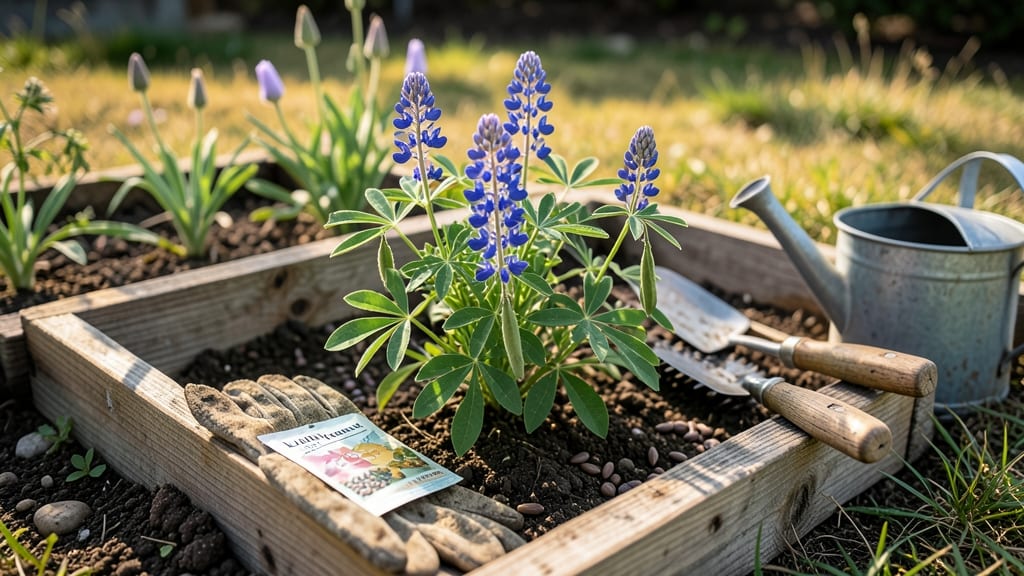
Optimal bluebonnet planting timeline in Central Texas: month-by-month breakdown
Central Texas gardeners have a 6-week window to plant bluebonnet seeds for vibrant spring blooms, but timing matters more than you might think. The key is planting between mid-September and mid-October, when soil temperatures drop below 85°F but before hard frosts arrive in December.
This fall window allows seeds to germinate slowly through winter, then burst into color by March. Missing this window? You can try planting in late November, but germination rates drop significantly. Let's break down the ideal planting months with temperature thresholds and regional adjustments.
| Month | Ideal Planting Time | Soil Temp (°F) | Regional Notes |
|---|---|---|---|
| August | Late August (emergency only) | 80-85°F | Only for San Antonio (warmer microclimate) |
| September | Mid-Sept to Oct 15 | 70-80°F | Best for Austin & Waco zones |
| October | Early Oct (priority) | 60-70°F | Optimal for all regions |
| November | Late Nov (backup) | 50-60°F | Lower germination rates |
| December | Avoid (frost risk) | Below 40°F | Seeds may not survive |
🌱 Pro Tip: Plant when daytime highs are 75°F or lower for best results.
For Austin gardeners, aim for September 20-October 15 when average highs drop to 82°F. In Waco, shift slightly earlier to September 15-October 10 due to cooler nights. San Antonio can extend planting to late October thanks to its warmer climate.
Remember that bluebonnets are winter annuals—they germinate in fall, grow through winter, and bloom in spring. Planting too early (like July) causes seeds to bake in hot soil, while planting too late (December) risks frost damage before germination.
After planting, protect seeds with a light mulch layer (¼ inch of straw) to prevent erosion from Central Texas' unpredictable fall rains. This simple step can double your germination success rate in clay-heavy soils.
One common mistake is waiting for first frost to plant—this is actually too late! Bluebonnet seeds need 4-6 weeks of warm soil to begin germinating. The magic happens when seeds experience cool nights and warm days, typically in late September.
For roadside plantings (like those famous Texas bluebonnet meadows), local crews often use helicopters to scatter seeds in October. You can mimic this by broadcasting seeds without covering them—they need light to germinate!
Watch for bluebonnet seedlings in December-January, though they'll stay small until spring warmth triggers rapid growth. Patience pays off with March-April blooms that last 4-6 weeks—worth the wait!
Optimal bluebonnet planting timeline in Central Texas: month-by-month breakdown
Timing is everything when planting bluebonnet seeds in Central Texas. These native wildflowers thrive when sown 6-8 weeks before the first frost, which typically lands between mid-October and early November for most areas like Austin and San Antonio.
Planting too early can lead to premature sprouting, while waiting too long risks frost damage before seeds germinate.
For the best results, aim to scatter seeds in late September through October. This window ensures seeds stratify naturally—a cold treatment that breaks dormancy—while avoiding the summer heat that can dry them out.
In Waco’s hotter microclimate, consider starting slightly earlier, around mid-September, to give seeds time to establish before cooler weather arrives.
🌱 Bluebonnet Planting Timeline for Central Texas
| Month | Ideal Planting Time | Soil Temperature | Notes |
|---|---|---|---|
| August | Late August (early sowing) | 75-85°F | Risk of summer drought; water deeply. |
| September | Best window (late Sept) | 65-75°F | Optimal for germination and stratification. |
| October | Early to mid-October | 55-65°F | Seeds need cold to break dormancy. |
| November | Late November (emergency) | Below 55°F | High frost risk; cover seeds if needed. |
If you miss the fall window, don’t despair—bluebonnets can also be sown in early spring (February to March) for summer blooms. However, fall planting yields more vibrant displays because the seeds undergo natural winter chilling, which triggers better germination.
For large-scale plantings, like roadside meadows, spread seeds evenly in late September and lightly rake them into the soil to ensure good contact with moist, well-drained earth.
Pro tip: Use a seed spreader for even distribution and avoid overcrowding, which can lead to pale, leggy plants. After sowing, water lightly to settle seeds without displacing them.
Bluebonnets are drought-tolerant once established, so resist the urge to overwater—1 inch of water per week is plenty during the growing season.
For urban gardeners in cities like San Antonio, where heat islands can delay fall cooling, monitor soil temperatures with a soil thermometer. Plant when temps drop below 75°F to mimic natural fall conditions.
Pair bluebonnets with wheatgrass or rye as a temporary cover crop to suppress weeds until they sprout.
Remember, patience is key—bluebonnets may take 10-14 days to germinate in ideal conditions. Once they do, enjoy months of vibrant blue blooms from February through April, turning your Central Texas landscape into a stunning spring masterpiece. 🌸