
Trees
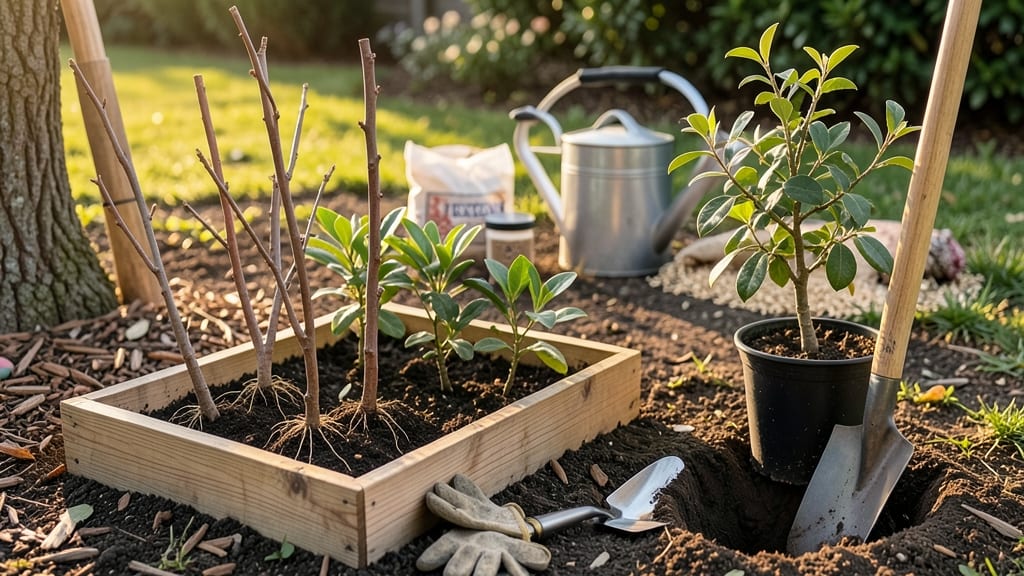
Planting fruit trees in South Africa at the wrong time can mean the difference between a thriving orchard and struggling saplings—especially when frost, heat, or rainfall patterns throw your plans off track.
I’ve seen firsthand how critical timing is, whether you’re in the subtropical east or the cooler western Cape. The key isn’t just picking a season—it’s matching your fruit tree variety to your region’s microclimate.
Let me break down the exact months to plant for maximum success, so you can avoid costly mistakes and enjoy a harvest that rivals the pros.
From citrus that hates frost to avocados that thrive in warmth, each fruit tree has its own ideal window. We’ll cover everything—soil prep, rootstock tips, and even how container planting changes the game. Ready to turn your backyard into a productive paradise?
Whether you’re a first-time gardener or a seasoned grower, this guide will help you plant with confidence. No more guessing—just science-backed timing for fruit trees that grow strong and bear bountifully.
Best months to plant fruit trees by South African climate region
South Africa’s diverse climates mean the best planting months for fruit trees vary dramatically. In the western Cape (like Cape Town), winter rains and frost dictate a spring planting window (August–October). Meanwhile, subtropical regions like KwaZulu-Natal enjoy year-round warmth, but avoid heavy rains to prevent waterlogged soil.
Even the summer-rainfall areas of Gauteng and Mpumalanga need precise timing—planting too early risks frost damage, while late planting delays root establishment.
Your local frost risk is the #1 factor. For example, citrus trees in Durban can be planted almost anytime, but stone fruits like peaches in the Free State must wait until after the last frost in September–October.
Soil temperature also matters: roots thrive when soil is above 15°C (59°F), which typically aligns with spring in cooler regions and early summer in subtropical zones.
Here’s how to match your region’s climate to the ideal planting window:
| Region | Climate Type | Best Planting Months | Frost Risk | Soil Temp Requirement |
|---|---|---|---|---|
| Western Cape (Cape Town, Stellenbosch) | Mediterranean (Winter Rain) | August–October (Spring) | High (May–September) | 15–20°C (59–68°F) |
| Gauteng & Mpumalanga (Johannesburg, Nelspruit) | Summer Rainfall (Subtropical) | September–November (Early Summer) | Moderate (June–August) | 18–22°C (64–72°F) |
| KwaZulu-Natal (Durban, Pietermaritzburg) | Subtropical (Year-Round Warm) | February–April (Late Summer) or September–October (Spring) | Low (Only highlands) | 20–25°C (68–77°F) |
| Free State & Northern Cape (Bloemfontein, Kimberley) | Arid/Semi-Arid (Cold Winters) | October–November (Late Spring) | Very High (April–October) | 18–20°C (64–68°F) |
For bare-root trees, plant as soon as roots are visible (usually August–September in cooler regions). Container-grown trees offer more flexibility—you can plant them year-round in subtropical zones, but still avoid peak frost months (June–August).
Pro tip: Test soil moisture before planting—dry soil in summer can shock roots, while waterlogged soil in winter promotes rot.
Citrus trees thrive in subtropical regions like Durban, where you can plant them anytime except during heavy rains. In contrast, stone fruits like peaches need chilling hours (200–400 hours below 7°C/45°F), so plant them in cooler inland areas like the Free State during spring to ensure proper dormancy.
Always check your local agro-climatic zone—tools like the South African Weather Service maps can help!
If you’re in a transition zone (e.g., Eastern Cape), opt for frost-hardy varieties like loquat or pomegranate and plant in late spring (October) to balance frost risk and soil warmth.
Mulch heavily with organic matter to insulate roots during winter. For container planting, use pots with drainage holes and plant in well-draining soil mixes to prevent root rot.
Timing isn’t just about the calendar—it’s about soil conditions, rainfall patterns, and local microclimates. For example, avocado trees in KwaZulu-Natal can be planted in late summer (February–March) to avoid fungal diseases from excess moisture.
Meanwhile, macadamia nuts prefer well-drained slopes and should be planted in spring (September) when soil is warm but not waterlogged.
Best months to plant fruit trees by South African climate region
South Africa’s diverse climates mean planting times vary dramatically—from frost-free subtropical zones to winter-rainfall regions where timing can make or break your harvest.
I’ve broken down the ideal planting windows by region, focusing on soil warmth, frost risk, and rainfall patterns to help you choose the perfect moment for your fruit trees.
In summer-rainfall areas (like Gauteng and Mpumalanga), the best time to plant is during the dry winter months (June–August). This avoids fungal diseases from excess moisture while giving roots time to establish before spring rains arrive. For citrus and avocado trees, this is especially critical—they hate waterlogged soil.
Western Cape’s Mediterranean climate (winter rainfall) flips the script: plant from September to November, when winter rains have passed but summer heat hasn’t peaked.
This gives young trees a head start before the dry season kicks in. Stone fruits like peaches thrive when planted in early spring (August–September) to avoid late-winter frosts.
Subtropical regions like KwaZulu-Natal offer year-round planting, but spring (September–November) is ideal. The soil warms up, and consistent rainfall supports root growth. If you’re planting macadamia nuts, aim for early spring—they need warm soil to germinate properly.
| Region | Best Planting Months | Key Considerations | Soil Temp |
|---|---|---|---|
| Summer-Rainfall (Gauteng, Mpumalanga) | June–August | Dry season; avoid fungal risks | 15–20°C |
| Winter-Rainfall (Western Cape) | September–November | Post-winter rains; pre-summer heat | 18–22°C |
| Subtropical (KwaZulu-Natal) | September–November | Warm soil; consistent rainfall | 20–25°C |
| Highveld (Free State, Lesotho) | October–November | Avoid late frosts; warm days | 16–20°C |
One critical factor across all regions is soil temperature. Use a soil thermometer—most fruit trees need soil at least 15°C (60°F) for roots to establish. In colder areas like the Highveld, wait until late October to plant stone fruits to avoid frost damage to young shoots.
Pro tip: If you’re planting bare-root trees, do it as soon as they arrive—don’t let roots dry out. For container-grown trees, you’ve got a bit more flexibility, but still aim for the start of your region’s ideal window.
Water deeply after planting to encourage root spread into the surrounding soil.
Remember, local microclimates matter. A valley might be frost-free when a nearby hillside isn’t. Check with your agricultural extension office for hyper-local advice, especially if you’re planting temperature-sensitive varieties like avocados. With the right timing, your fruit trees will reward you with years of bountiful harvests.