
Plants
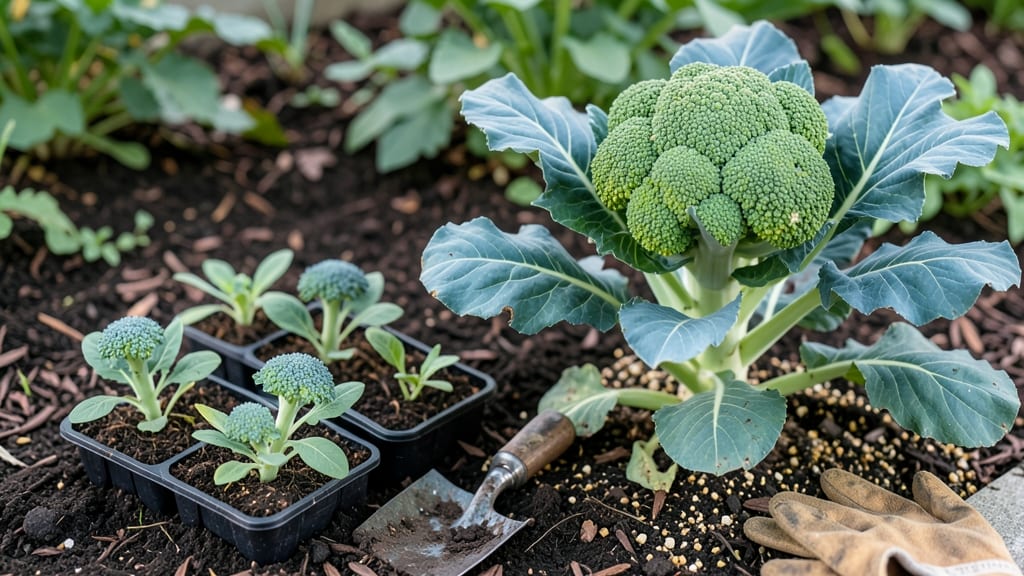
Timing your 🥦 broccoli planting in Houston isn't just about the calendar—it's about beating the heat, avoiding frost, and giving your plants the perfect shot at thriving in USDA Zone 9a. Plant too early, and you risk bolting (those bitter, flower-filled stalks no one wants).
Too late, and Houston's humidity might stunt growth before harvest. The sweet spot? Two key windows that align with our unique climate.
Most gardeners in Houston swear by fall planting, when temperatures dip just enough to slow down bolting while still offering plenty of growing time before winter sets in. But spring also works—if you play it right.
I'll break down exactly when to start seeds indoors versus direct-sowing outdoors, so you can avoid common pitfalls like overheating seedlings or missed frost dates that can ruin your crop.
What makes Houston different? Our coastal humidity and sudden heat waves demand extra care. You'll learn how to adjust planting dates based on microclimates (urban vs. suburban), when to use shade cloth, and which broccoli varieties handle our climate best.
Spoiler: Some types bolt faster than others, and knowing the right pick could mean the difference between a bountiful harvest and a disappointing one.
Ready to grow perfect broccoli heads that stay tender and flavorful? Let's dive into the exact months, soil prep secrets, and post-planting care that'll have your garden producing homegrown goodness from November through April. No more guesswork—just reliable, Houston-proven results.
Houston’s broccoli planting calendar: fall vs. spring timing explained
Houston’s USDA Zone 9a climate gives you two prime windows to grow broccoli: late summer/fall and early spring. Unlike cooler regions, Houston’s long growing season means you can avoid the heat-induced bolting that ruins summer crops.
The key is timing—plant too early, and your broccoli bolts; too late, and it struggles with Houston’s humidity and heat spikes.
For fall planting, aim for late August through early October. This gives your plants 60-80 days to mature before Houston’s first frost (typically around December 15). Spring planting should start January 15–February 15 to harvest before summer’s 90°F+ temperatures trigger bolting.
Miss these windows, and you’ll end up with bitter, tough heads or no harvest at all.
🌱 Pro Tip: Houston’s urban heat islands can push temperatures 5–10°F hotter than rural areas. Adjust planting dates 1–2 weeks earlier in city centers like Downtown or Midtown to compensate.
Houston’s humidity and unpredictable weather mean you’ll need to monitor soil temperatures closely. Use a soil thermometer to confirm 50–60°F soil temps for spring planting and 60–75°F for fall.
If your soil runs hotter (common in raised beds), plant shade-tolerant varieties like ‘De Cicco’ or use black plastic mulch to cool roots.
Another Houston-specific trick? Succession planting every 2–3 weeks in fall to stagger harvests. This ensures you’re always pulling fresh heads while older plants mature. For example, plant half your seeds in late August and the rest in early September—this way, you’ll have broccoli ready from October through December.
Don’t overlook frost dates, even in Zone 9a. While Houston rarely sees hard freezes, light frosts (28–32°F) can damage broccoli. Use row covers if a frost is forecasted in December or January. For extra protection, grow broccoli raab (rapini), which handles cooler temps better than traditional varieties.
🌡️ Key Temperature Rules:
- Below 40°F: Growth stalls; risk of frost damage.
- 40–50°F: Ideal for spring planting.
- 60–75°F: Perfect for fall growth.
- Above 80°F: Bolting begins; harvest or remove plants.
Finally, Houston’s coastal breezes can dry out soil quickly. After planting, water deeply 2–3 times per week (1–2 inches total) and mulch with 2–3 inches of straw to lock in moisture.
This is especially critical in September and April, when Houston’s unpredictable rain showers can leave soil either soggy or parched.
By locking in these two planting windows and adjusting for Houston’s quirks, you’ll avoid the #1 mistake most gardeners make: planting broccoli at the wrong time and ending up with bolted, bitter heads.
Stick to these timelines, and you’ll enjoy crisp, sweet broccoli straight from your Houston garden—no gamble needed! 🥦
How to adjust planting dates for Houston’s microclimates and heat waves
Houston’s urban heat islands and coastal humidity create microclimates that can throw off even the best-laid broccoli planting plans. If you’ve ever watched your broccoli bolt prematurely or wilt under unexpected heat, you’re not alone.
The key is adjusting your planting timeline based on your specific location—whether you’re in a shaded backyard, a sunbaked front yard, or near the Gulf Coast’s damp air.
For most of Houston (USDA Zone 9a), the ideal window is September-October for fall planting and January-February for spring. But if you live in hotter inland areas (like Katy or Pearland), push back fall planting to late September to avoid early heat stress.
Meanwhile, coastal zones (like Galveston or Clear Lake) can handle August sowings thanks to milder temperatures near the water.
🌡️ Pro Tip: Use a soil thermometer—broccoli thrives when soil temps are 50-75°F (10-24°C). If your soil hits 80°F+ (27°C+), delay planting until temps drop naturally or use shade cloth to protect seedlings.
⚠️ Heat Wave Warning
Never plant broccoli in Houston’s summer months (May-August)—the heat will cause bitter bolts within weeks. Even spring plantings after March risk failure unless you:
- Use shade cloth (30-50%) for the first 2-3 weeks
- Mulch heavily with straw or wood chips to retain moisture
- Water deeply at dawn to prevent fungal issues
🌡️ Critical Threshold: Soil temps above 85°F (29°C) = instant stress.
To extend your growing season, try succession planting—sow new seeds every 2 weeks from August through October. This ensures a steady harvest before winter sets in. For spring, start seeds indoors in December and transplant mid-February once daytime temps stay below 75°F (24°C).
💧 Watering Hack: Houston’s clay soil drains poorly, leading to root rot. Amend beds with compost or coconut coir to improve drainage. During heat waves, drip irrigation keeps roots cool and consistent—critical for broccoli’s high water needs during head formation.
Finally, monitor local weather forecasts. A sudden cold snap in November or a heatwave in March can derail your crop. If frost threatens before harvest, cover plants with frost cloth—broccoli can tolerate light frosts (28-32°F / -2 to 0°C) but not prolonged freezes.