
Plants
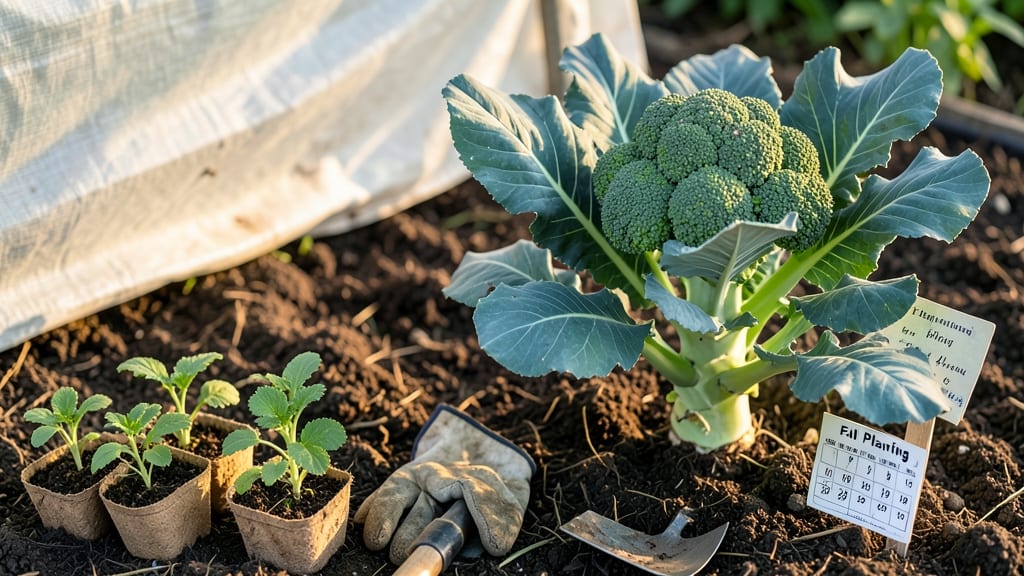
If you’ve ever wondered when to plant broccoli in South Carolina to avoid bitter disappointment, timing is the real game-changer. The state’s unique climate—with its mild winters and scorching summers—means planting broccoli at the wrong time can turn your garden dreams into a bitter disappointment.
But here’s the good news: with the right strategy, you can enjoy fresh, homegrown broccoli twice a year in zones 7b-8a. Whether you’re a seasoned gardener or just starting, knowing when to plant—early spring or late summer/fall—is the secret to a bountiful harvest.
Let’s break down the exact windows and tips to avoid common mistakes that ruin crops.
You’ll discover how to align your planting with South Carolina’s frost dates, choose the best varieties for your region, and even extend the growing season to beat the heat. No more guessing—just a foolproof plan for crisp, flavorful broccoli all season long.
Ready to transform your garden? Let’s get started with the perfect planting schedule that’ll have you harvesting like a pro by April or October.
South Carolina broccoli planting calendar by frost dates (2024 edition)
South Carolina’s three USDA zones (7b, 8a, 8b) mean frost dates vary slightly by region, but the general rule is: plant broccoli 4-6 weeks before your last spring frost or 3-4 months before your first fall frost.
In most of SC, that means February-March for spring and August-September for fall planting windows. Miss these deadlines, and you’ll either face frost damage or watch your broccoli bolt in the summer heat.
For Zone 7b (Upstate), the last frost typically arrives mid-March, while Zone 8a (Midlands) and Zone 8b (Coastal) can plant 2-3 weeks later.
Fall frost usually hits mid-November statewide, but coastal areas may have 1-2 extra weeks of growing time. Heat-tolerant varieties like 'De Cicco' or 'Waltham 29' are your best bet for late-summer plantings.
Here’s the critical planting timeline broken down by zone and season to maximize your harvest:
| Zone | Last Spring Frost | First Fall Frost | Spring Planting Window | Fall Planting Window | Harvest Window |
|---|---|---|---|---|---|
| 7b (Upstate) | Mid-March | Mid-November | Feb 15 - Mar 15 | Aug 1 - Sep 15 | Apr-May & Oct-Nov |
| 8a (Midlands) | Late March | Early November | Feb 28 - Apr 1 | Aug 15 - Sep 30 | Apr-May & Oct-Nov |
| 8b (Coastal) | Early April | Late November | Mar 15 - Apr 15 | Sep 1 - Oct 15 | May-June & Nov |
Pro tip: Use succession planting every 2-3 weeks in both spring and fall to ensure a continuous harvest.
For example, if you plant one batch in late February, follow up with another in early March—this way, you’ll have broccoli ready to pick from April through May and again in fall.
For spring plantings, start seeds indoors 6-8 weeks before your last frost date (so early January for Zone 7b and late January for Zone 8b).
Transplant seedlings outdoors when soil temps hit 40°F and night temps stay above 35°F. Hardening off for 7-10 days beforehand is a must to prevent transplant shock.
Fall plantings require extra attention to heat tolerance. If you’re planting in late August or early September, choose fast-maturing varieties (58-65 days) like 'Blue Windmill' or 'Packman' to avoid bolting. Shade cloth (30-50%) can also buy you 2-3 extra weeks of growing time during hot spells.
Don’t forget: Broccoli thrives in cool weather (50-75°F), so avoid planting during summer’s peak heat (June-August).
If you see your plants sending up flower stalks early, they’re bolting—this happens when temps exceed 80°F for more than 3 days. Heat-tolerant varieties and evening watering can help delay this.
🌱
How to extend broccoli’s growing season in SC’s heat (avoiding bolting)
South Carolina’s summer heat can turn your broccoli into a bitter, bolted mess if you’re not prepared. The key to success? Strategic heat management during those scorching months. Broccoli thrives in cooler weather, but with the right techniques, you can push your harvest into late summer or even early fall.
Start by choosing heat-tolerant varieties like ‘De Cicco’ or ‘Waltham 29’—these hold up better when temperatures climb above 85°F.
Shade cloth is your best friend during peak heat. Install 30-50% shade fabric over your plants when daytime temps hit 90°F+. This reduces soil and air temperatures by 10-15°F, giving your broccoli the cool environment it craves. Remove it in the early morning to allow sunlight for photosynthesis. Pair this with drip irrigation—watering at the base keeps leaves dry and prevents sunscald.
Don’t forget about succession planting—this is your secret weapon for a continuous harvest. Instead of planting all your broccoli at once, stagger transplants every 2-3 weeks from August through early September.
This ensures you always have young, heat-sensitive plants maturing during cooler fall temperatures. For example, if your first batch bolts in late September, your second planting might still produce edible heads in October.
Watch for early signs of bolting: yellowing leaves, elongated stems, or flower buds. If you catch it early, trim the main head and let the plant regrow smaller side shoots—this can give you a second harvest.
For severe cases, pull the plant and replant with a faster-maturing variety like ‘Calabrese’, which tolerates heat slightly better than others.
Soil temperature is just as critical as air temperature. Broccoli roots struggle in soil above 75°F. Test your soil’s temp with a thermometer—if it’s consistently hotter than this, delay planting or use black plastic mulch to absorb and dissipate heat. Pair this with evening watering (after 6 PM) to help cool the soil overnight.
With these techniques, you can push your broccoli’s growing season well past the traditional fall cutoff. My own garden in USDA Zone 8a has yielded harvests into early November using these methods—proof that SC’s heat doesn’t have to be a dealbreaker.
Just stay vigilant, and your broccoli will reward you with crisp, flavorful heads long after most gardeners have given up.