
Plants
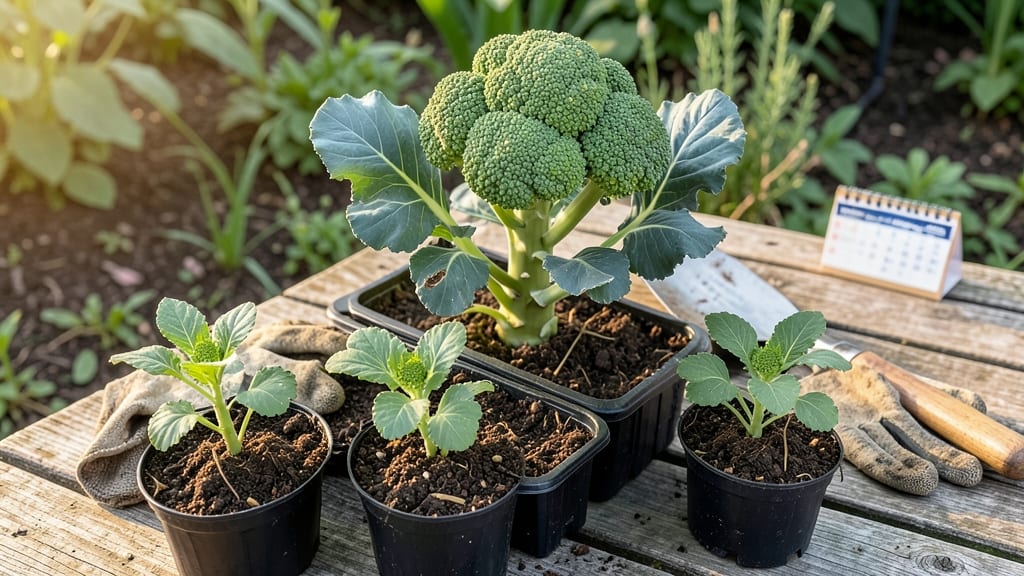
Planting broccoli in Washington State at the wrong time can turn your crisp, green 🥦 dreams into bitter disappointment. With frost-free windows ranging from 120 days in Eastern WA to 165 days in the Puget Sound, timing is everything to avoid bolting or stunted growth.
Most gardeners in WA’s 6b-7b zones know spring is prime, but did you know late summer planting can yield just as well? The key is understanding your region’s last frost dates—typically around March 15 in western WA and later in the east—and planning 4-6 weeks before.
In this guide, I’ll break down the exact planting windows for both spring and fall, including soil temperature cues and heat-tolerant varieties that thrive in WA’s microclimates. Whether you’re in the Puget Sound or the dry eastern plains, you’ll learn how to stretch your harvest season.
Ready to grow broccoli that’s bold, flavorful, and ready at the perfect time? Let’s dive into the frost-free schedule that’ll make your garden the talk of the neighborhood.
Washington State broccoli planting calendar by hardiness Zone (avoid bolting with precision timing)
Washington State’s USDA Zones 6b-8b create a unique growing window for broccoli, where cool springs and mild falls prevent the bitter bolting common in hotter climates. The key? Planting 4-6 weeks before last frost in spring and 8-10 weeks before first frost in fall.
Western WA’s longer frost-free season (165 days) allows for extended harvests compared to Eastern WA’s shorter window (120 days).
Timing isn’t one-size-fits-all—Puget Sound gardeners can start transplants as early as late February, while Eastern WA growers should wait until mid-April to avoid frost damage. Heat-tolerant varieties like 'De Cicco' thrive in late summer plantings, while 'Waltham 29' excels in cooler fall conditions.
Let’s break down the precision planting calendar by zone to maximize your harvest.
| Zone & Region | Last Frost Date | Optimal Planting Window | First Frost Date | Heat-Tolerant Variety |
|---|---|---|---|---|
| Zone 6b (Eastern WA) | May 1–15 | March 15–April 30 | September 15–October 1 | 'De Cicco' |
| Zone 7a (Central WA) | April 15–May 1 | February 20–April 15 | October 1–15 | 'Calabrese' |
| Zone 7b (Puget Sound) | March 15–April 1 | February 1–March 31 | October 15–31 | 'Waltham 29' |
| Zone 8a (Western WA) | February 15–March 1 | January 15–March 15 | November 1–15 | 'Green Magic' |
| Zone 8b (South WA) | January 15–February 15 | December 15–February 28 | October 31–December 15 | 'Belstar' |
For Zone 6b gardeners in Eastern WA, focus on early spring plantings (March 15–April 30) to avoid the late May heat that triggers bolting. Use row covers to extend the season into early fall.
In Zone 8b (South WA), you can even squeeze in a winter crop by planting in December—just protect seedlings with cloche covers during cold snaps.
Soil temperature is your best planting cue: aim for 40–50°F for seeds or 50–60°F for transplants. Test your soil’s readiness with a soil thermometer—cool, damp conditions prevent bolting.
In Western WA’s milder zones, you can push the envelope with late summer plantings (August 1–15) for a fall harvest, but choose heat-tolerant varieties like 'Green Magic' to survive the September heat waves.
Pro tip: Succession plant every 2 weeks in spring and fall to stagger harvests. This works especially well in Zone 7b, where you can enjoy broccoli from May through October. Pair your plantings with companion plants like dill or onions to deter pests
How to extend your broccoli season in washington: succession planting and cold protection hacks
Washington’s variable climate means you can grow broccoli three times a year—spring, summer, and fall—if you plan strategically. The key is succession planting and protecting tender seedlings from late frosts or heat spikes that trigger bolting.
In Zone 6b-7b, where most of WA falls, this means staggered plantings every 3-4 weeks for continuous harvests.
Start with spring plantings in early March, followed by summer transplants in late June (for heat-tolerant varieties), and fall plantings by mid-August. The goal? Avoid the 10-day window before and after 85°F+ temperatures, which sends broccoli into bolting mode.
Use shade cloth or row covers to buy time during heatwaves.
🌱 Extend Your Broccoli Season: 5 Pro Tips for WA Gardeners
- 1. Plant in stages: Stagger 3-4 plantings every 3 weeks (March, April, August) for continuous harvests.
- 2. Use row covers: Protect seedlings with frost blankets until soil warms to 40°F+ in spring.
- 3. Choose heat-tolerant varieties: Opt for 'De Cicco' or 'Calabrese' for summer plantings.
- 4. Mulch heavily: Apply 4-6 inches of straw to retain moisture and cool roots.
- 5. Succession sow side shoots: After harvesting the main head, side shoots regrow—plant new seeds nearby for fall harvests.
For summer plantings, focus on late June to early July when soil temps drop below 75°F.
Use black plastic mulch to warm soil faster in cooler zones like Spokane (Zone 7a), while Puget Sound gardeners (Zone 8a) can push fall plantings into early October with row covers.
Companion plants like bush beans or radishes also help—beans fix nitrogen, and radishes mature quickly, marking soil for broccoli.
Cold protection is critical in eastern WA, where first frosts can hit as early as September 15. Use cold frames or low tunnels to extend fall harvests into November.
In western WA, where frosts arrive later, focus on succession planting every 2 weeks from August to September to maximize yield before winter.
Don’t overlook container gardening—perfect for short-season zones like Zone 6b. Use 5-gallon pots filled with well-draining mix and plant dwarf varieties like 'Little Sprout'. Move containers to sunny spots during summer and sheltered areas in fall to delay frost damage.
With these hacks, you’ll enjoy homegrown broccoli from May through October—no bitter bolts in sight!
Pro tip: Keep a gardening journal to track your local frost dates and adjust planting times yearly. Washington’s microclimates vary wildly—what works in Seattle may fail in Walla Walla, so adapt and experiment! 🌱