
Plants
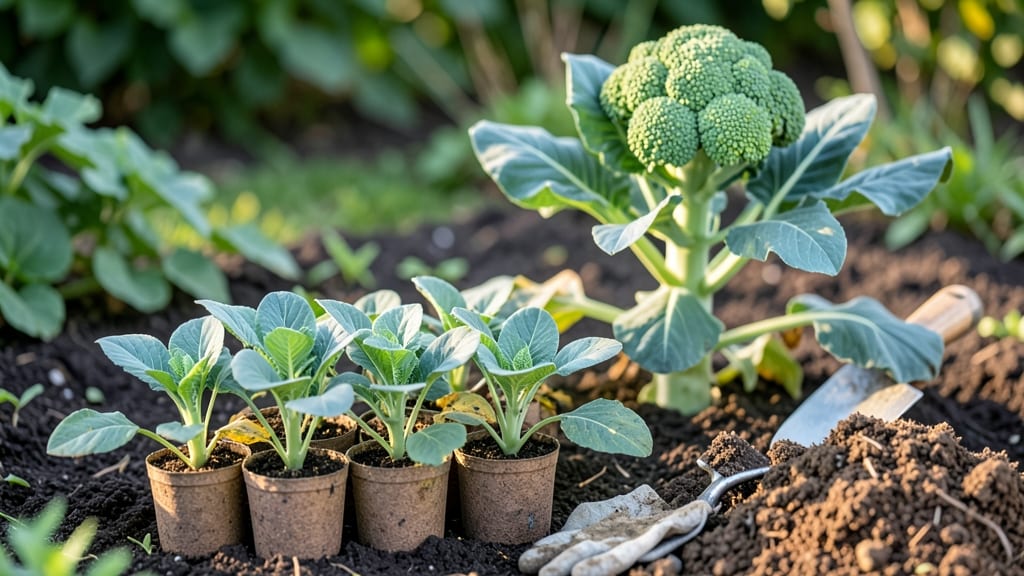
If you’ve ever planted broccoli in Zone 5 only to watch it bolt before producing a single edible head, you’re not alone—and the fix is simpler than you think.
The key to a fast, bountiful harvest isn’t just about picking the right dates (though those matter), but understanding how soil temperature plays a hidden role in germination speed.
Broccoli 🥦 loves cool weather, but when to plant it in Zone 5 depends on more than just frost dates. Too early, and cold soil can delay sprouting for weeks. Too late, and summer heat will send your plants racing to flower before you get a taste.
The sweet spot? Early spring or late summer—when soil warms to the perfect range for quick starts.
I’ve tested the best planting windows for Zone 5, from head varieties to sprouting types, and the results will surprise you. Whether you’re a beginner or a seasoned gardener, these timing tricks will help you avoid common pitfalls and enjoy fresh broccoli straight from your garden.
Ready to skip the guesswork? Let’s break down the exact soil temps, planting dates, and varieties that work best in Zone 5—so you can go from seed to harvest in record time.

Broccoli planting calendar for Zone 5: exact dates by variety
In Zone 5, where last frosts typically hit mid-May and first frosts arrive by mid-October, timing your broccoli planting is everything. The key is to plant 4–6 weeks before your last frost for spring harvests or 8–10 weeks before your first frost for fall crops.
This ensures your plants mature before extreme heat or cold sets in.
Broccoli varieties differ in maturity—head varieties like 'Waltham 29' take 60–70 days, while sprouting types like 'Calabrese' may need 70–80 days. Matching your variety to your frost window prevents bolting (premature flowering) and maximizes yields.
For example, in Chicago (Zone 5), early spring plantings in late March work, but late varieties like 'De Cicco' thrive when sown in July for fall harvests.
Here’s the breakdown: Spring plantings (March–April) give you late May–June harvests, while fall plantings (July–August) deliver September–October crops. Staggering plantings every 2–3 weeks extends your harvest window—critical in Zone 5’s short growing season.
🌱
For Zone 5 gardeners, the last frost date is your anchor. Check your local Almanac or use a soil thermometer to confirm when soil reaches 45°F—the minimum for germination. In colder microclimates (e.g., northern Zone 5), start seeds indoors 6–8 weeks before transplanting to avoid delays.
Pro tip: Use row covers for early spring plantings to protect seedlings from late frosts (which can kill young plants) while still allowing sunlight. This buys you 2–3 extra weeks of growing time—critical for broccoli’s 60–80-day maturity window.
If you’re planting for fall harvests, aim to have transplants in the ground by mid-July. This gives them enough time to mature before first frost (usually mid-October in Zone 5). Varieties like 'De Cicco' are heat-tolerant and perfect for this window.
🌿
Don’t overlook succession planting: Sow a new batch every 2 weeks in spring and 3 weeks in fall. This ensures a continuous harvest and prevents bolting from heat stress.
For example, if your first planting bolts in early June, a second planting in late May might still yield by July.
Finally, adjust for microclimates. South-facing beds warm up faster than north-facing ones, so plant heat-sensitive varieties (like 'Waltham 29') on the north side of your garden. Conversely, 'Calabrese' can handle slightly warmer spots in late summer.
Soil temperature rules for broccoli germination: what’s too hot or cold?
Broccoli seeds need consistent soil temperatures between 45–85°F to sprout reliably in Zone 5. Below 40°F, seeds rot in the soil; above 90°F, they bolt prematurely—meaning bitter, flower-filled stalks instead of tender florets.
Testing your soil’s warmth with a soil thermometer (or even your finger—cool but not icy) is the secret to avoiding these pitfalls.
Most Zone 5 gardeners hit the sweet spot (50–70°F) by early April, but timing varies by microclimate. If your soil runs cold (common in early spring), pre-warming seeds indoors for 2–3 days on a sunny windowsill or heat mat can jumpstart germination.
For late summer plantings, shade cloth helps prevent overheating during hot afternoons.
🌱Pro Tip: If your soil is too cold, cover seed beds with black plastic mulch for 3–5 days before planting. This raises temps by 10–15°F without baking the soil.
For slow germination (common in Zone 5’s cooler springs), soak seeds in lukewarm water for 6 hours before planting. This hydrates them faster and reduces the time they spend waiting for warm soil.
If you’re direct-sowing in late May, opt for heat-tolerant varieties like ‘Waltham 29’ or ‘De Cicco’—they handle warmer soils better than standard types.
💧Watering Hack: After planting, keep seed beds moist but not soggy by watering lightly every 2–3 days. Overwatering in cold soil can suffocate seeds, while underwatering causes them to dry out before sprouting.
Even with perfect timing, bolting can still strike if days get too long (14+ hours of sunlight). To delay flowering, plant succession crops every 2–3 weeks from April through June. This ensures a steady harvest before summer heat forces your broccoli to bolt.