
Plants
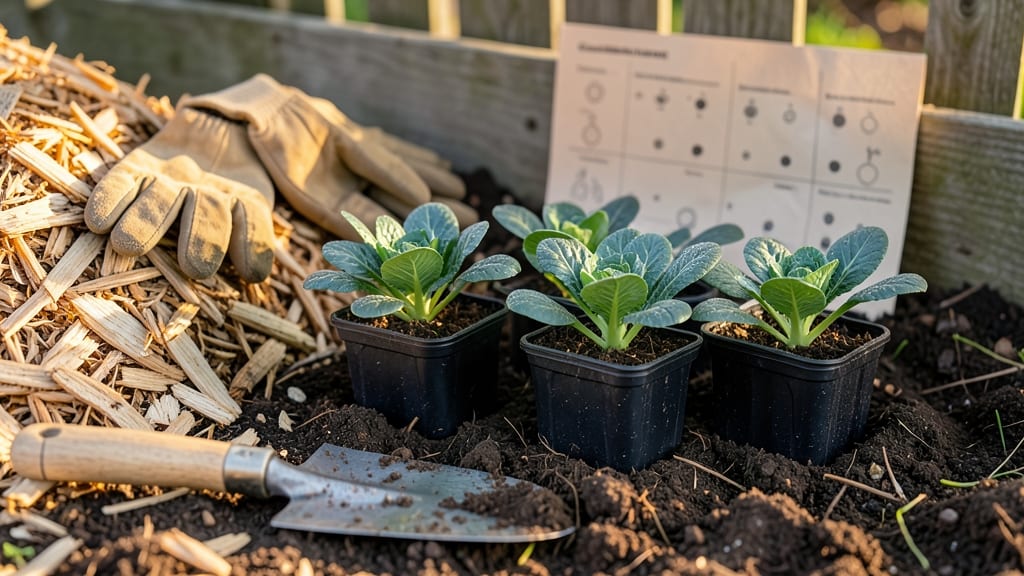
Timing your fall broccoli planting in Zone 6 can mean the difference between a bountiful harvest and a disappointing flop.
The key is planting 4–6 weeks before your first frost, typically between late August and early September, when soil temperatures start to cool but still hold enough warmth for strong root development.
If you're growing heat-tolerant varieties like 'De Cicco' or 'Calabrese', you've got a slightly longer window to work with—but rushing it could leave your plants struggling as temperatures dip. I’ll walk you through the exact deadlines, soil prep tricks, and spacing tips to ensure your 🥦 thrives until winter.
Whether you're starting from seeds or transplants, getting this right means avoiding common pitfalls like bolting (when broccoli flowers prematurely) or stunted growth from poor soil conditions. Let’s break down the steps so you can confidently plant and enjoy a harvest that lasts from October through December.
Ready to grow broccoli that’s sweeter and more flavorful than store-bought? The secret starts with the right timing—and I’ve got the exact schedule you need for Zone 6’s unique climate. Let’s get your garden set up for success.

Best planting timeline for fall broccoli in Zone 6: heat-tolerant varieties and deadline dates
Zone 6 gardeners have a 6-week window to plant fall broccoli for a successful harvest. The key is starting seeds or transplants 4–6 weeks before your first frost date, which typically falls around mid-October in most of Zone 6.
This timing ensures your broccoli matures before winter sets in, delivering crisp, flavorful heads when other crops fade.
For Zone 6a (colder microclimates), aim for an earlier deadline—plant by late August to guarantee maturity. In Zone 6b (warmer areas), you can push it to early September while still avoiding summer heat stress. Heat-tolerant varieties like 'De Cicco' and 'Waltham 29' handle late-summer warmth better than standard types.
Direct sowing seeds is ideal for fall broccoli, but transplants work too if you’re short on time. Start seeds indoors 6–8 weeks before transplanting (around late June to early July) or sow directly into the garden 4 weeks before your target transplant date.
This staggered approach gives you flexibility if summer heat delays germination.
Here’s the critical timeline for Zone 6:
| Stage | Action | Deadline (Zone 6) |
|---|---|---|
| Start seeds indoors | 6–8 weeks before transplant | Late June–early July |
| Direct sow seeds | 4–6 weeks before first frost | Late July–early August |
| Transplant seedlings | 4–6 weeks before first frost | Late July–early September |
| Harvest window | 75–90 days after planting | October–December |
If you miss the early August deadline for direct sowing, don’t panic—'Calabrese' and 'Green Magic' varieties tolerate cooler soils better than others. However, planting after mid-August risks bolting (premature flowering) due to shorter daylight hours. To mitigate this, choose compact varieties like 'Little Sperling', which mature faster.
Soil temperature is just as critical as air temperature. Broccoli seeds need soil at least 40°F to germinate, but ideal conditions are 60–70°F. Test your soil with a thermometer before planting—if it’s below 50°F, wait a week or two.
Warm soil speeds up germination and helps seedlings establish roots before fall’s chill sets in.
Pro tip: Use black plastic mulch to warm soil faster in early plantings. Lay it down 1–2 weeks before sowing to create a microclimate that encourages faster germination.
Remove it once seedlings emerge to prevent overheating. This trick buys you an extra 7–10 days of viable planting time in Zone 6’s shorter growing season.
For gardeners in mountainous or northern Zone 6 areas (like western Pennsylvania or the Adirondacks), err on the side of earlier planting. These regions often see earlier frosts, so aim to finish transplants by late July.
In contrast, southern Zone 6 (e.g., parts of Virginia or Kentucky) can stretch deadlines to early September thanks to milder microclimates.
Always check your local frost dates using the USDA Plant Hardiness Zone Map or a local cooperative extension service. A 2–3 week buffer ensures your broccoli matures even if frost arrives earlier than expected.
With the right timing, you’ll enjoy homegrown broccoli well into December—long after store-bought options have faded.
Best planting timeline for fall broccoli in Zone 6: heat-tolerant varieties and deadline dates
Zone 6 gardeners have a 6-8 week window to plant fall broccoli, but timing is critical. Plant too early, and your plants bolt in summer heat; too late, and they won’t mature before frost.
The sweet spot is 4-6 weeks before your first frost date—typically mid-August to early September for most of Zone 6.
For direct sowing seeds, aim for late July to early August. This gives seedlings time to establish before cooler fall temperatures. If using transplants, set them out 4-6 weeks before frost—usually mid-August—for a harvest before winter sets in.
Heat-tolerant varieties like 'De Cicco' and 'Calabrese' handle summer heat better than standard types. These varieties mature faster (55-65 days) and produce compact heads even in cooler fall temps. For a second harvest, try 'Waltham 29'—it’s cold-hardy and thrives in late fall.
| Stage | Action | Deadline |
|---|---|---|
| Direct Sow Seeds | Plant ¼" deep, 18-24" apart | Late July - Early August |
| Transplant Seedlings | Hardy 4-6 week old starts | Mid-August - Early September |
| Succession Planting | Sow every 2 weeks for staggered harvests | Through Mid-September |
| Harvest Window | Pick before heads flower | October - December |
Adjust your timeline based on your specific frost dates. Check your local USDA Zone 6a/6b first frost date—some areas (like Chicago) frost by October 15, while others (like Raleigh) hold off until November 1. Plant 60-70 days before frost for mature heads.
Pro tip: Use black plastic mulch to warm soil in early August if planting seeds. This helps seedlings emerge faster in Zone 6’s cooler summer nights. For transplants, wait until soil temps drop below 80°F to avoid transplant shock.
Missed the window? Don’t despair! You can still try a late-September transplant of cold-hardy varieties like 'Belstar', which tolerates light frosts. Just expect smaller heads by harvest time.