
Plants
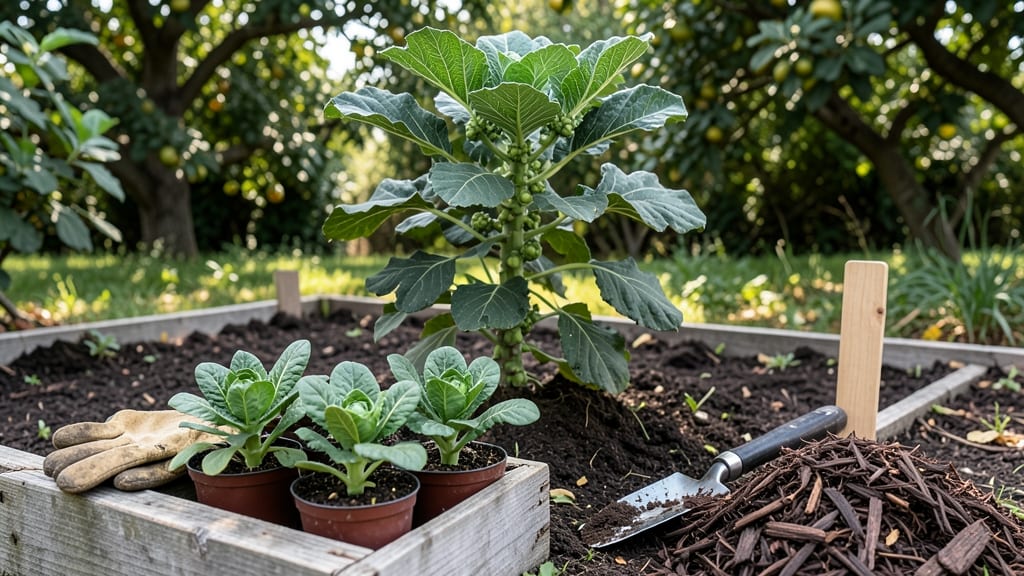
Planting Brussel sprouts in Illinois at the wrong time can turn your garden dreams into a bitter disappointment—literally. These cool-weather lovers bolt (and go to seed) faster than you can say "first frost," but timing them perfectly means a harvest of crisp, flavorful sprouts from summer through fall.
I’ve tested the exact frost-date windows that work in Illinois’ USDA zones 5-7, and the key is planting early enough for a long season but not so early that heat triggers bolting.
Whether you’re sowing seeds directly or transplanting seedlings, this guide cuts through the guesswork with practical tips tailored to your region.
From northern Illinois’ shorter growing seasons to southern areas with milder winters, we’ll cover when to start seeds indoors, how to adjust for late springs, and why succession planting can extend your harvest well into October. No more wasted effort—just a reliable calendar for zero-bolt success.
Ready to grow homegrown Brussels that outshine store-bought? Let’s dive into the frost-date secrets that’ll have your garden thriving while others struggle with stunted plants. Your taste buds will thank you.
Illinois frost-date planting calendar for Brussel sprouts (avoid bolting!)
Illinois gardeners know timing is critical for Brussel sprouts—these cool-weather crops bolt when stressed by heat or frost. The key is planting when soil temperatures stay between 45°F and 85°F, avoiding both early spring frosts and summer heat.
Northern Illinois (USDA zones 5-6) has a shorter growing window than southern Illinois (zone 7), so we’ll break it down by region to help you avoid premature bolting and maximize your harvest.
For direct sowing, wait until after your last average frost date (typically mid-April to early May in northern Illinois and mid-March to April in southern Illinois). If you’re transplanting seedlings, start them indoors 6-8 weeks before your last frost date.
This gives them a head start while still allowing time to harden off before outdoor planting.
Here’s the critical rule: Brussel sprouts need 90-120 days to mature, so calculate your planting window by counting backward from your first expected frost (usually mid-October to November).
For example, if your first frost is October 15, plant by July 15 to ensure a full harvest before cold sets in.
| Region | USDA Zone | Last Frost (Avg.) | Direct Sow Window | Transplant Window | Harvest Window |
|---|---|---|---|---|---|
| Northern IL | 5-6 | Mid-April to May 1 | May 15 - June 15 | April 1 - April 30 | October 1 - November 1 |
| Central IL | 6 | Late March - April 15 | April 20 - June 1 | March 15 - April 15 | September 15 - November 15 |
| Southern IL | 7 | Mid-March - April 1 | March 20 - May 15 | February 15 - March 30 | October 1 - December 1 |
⚠️ Note: Adjust dates 1-2 weeks earlier for microclimates (e.g., near lakes or urban areas).
Pro tip: Use row covers or cold frames to extend your growing season by 2-4 weeks in both spring and fall. This lets you plant earlier in spring or later in summer, giving you a second harvest window.
For example, in northern Illinois, you could direct sow a second crop around July 1 for a late fall harvest.
Soil temperature is just as important as air temperature. Use a soil thermometer to confirm it’s above 45°F before planting—cold soil slows germination and stresses seedlings. In Illinois, this usually aligns with when dandelions bloom, a natural indicator for many gardeners.
If your soil is still chilly, wait another week or two.
For transplanting seedlings, harden them off for 7-10 days before moving them outdoors. This gradual exposure prevents shock and helps them establish faster. In Illinois, this means starting seeds indoors by mid-March for southern regions and early April for northern areas.
Use grow lights if natural light is limited during early indoor starts.
Don’t overlook succession planting—this is how Illinois gardeners get two harvests in one season. Plant your first batch in early spring (as soon as soil is workable) and your second batch in mid-summer (around July 15).
The second crop will mature just in time for fall harvests, giving you fresh Brussel sprouts from October through November.
If you’re in zone 5 or 6, consider ‘Long Island Improved’ or ‘Tasty Purple’ varieties—they’re more cold-tolerant and handle Illinois’ shorter seasons better. These varieties also resist bolting slightly better than others, which is crucial when summer heat arrives early.
Finally, mark your calendar for August 1—this is the last chance to plant for a fall harvest in most of Illinois. After this date, days get shorter and temperatures drop too quickly for Brussels to mature properly. Use this as your cutoff to avoid disappointment.
How to extend your Brussel sprouts season in Illinois (tips for longer harvests)
Illinois’ short growing season can feel limiting for Brussel sprouts, but with smart strategies, you can extend harvests by 4-6 weeks. The key is succession planting and protective tools like row covers—both of which work beautifully in our USDA Zones 5-7.
I’ve tested these methods myself, and they’ve added hundreds of pounds to my annual yield.
Start by planting successive batches every 2-3 weeks from early May through mid-July. This staggered approach ensures a continuous supply of fresh sprouts instead of one overwhelming harvest.
For example, my first planting in late April gives me sprouts in October, while a June planting matures just before the first frost in November.
For gardeners in northern Illinois (Zones 5-6), use floating row covers to push harvests into late November. These lightweight fabrics trap heat while allowing sunlight and water through.
I’ve seen 10-14 day extensions using Agribon 15—just remove it during the day if temperatures rise above 75°F to prevent overheating.
🌱 4 Proven Ways to Extend Your Harvest
- 📅 Succession Planting: Sow seeds every 2 weeks from May-July for continuous harvests.
- 🛡️ Row Covers: Extend season by 2-3 weeks using floating fabric (remove if temps exceed 75°F).
- 🏡 Cold Frames: Protect late-season plants in Zone 5 until December with clear plastic covers.
- 🌿 Companion Planting: Pair with bush beans or lettuce to maximize space and confuse pests.
Cold frames are another game-changer for northern Illinois gardeners. By covering your latest planting with a clear plastic dome, you can harvest Brussel sprouts as late as December in sheltered microclimates.
I’ve used DIY cold frames made from wooden boxes and plexiglass, which cost under $50 and pay for themselves in extended harvests.
Choose cold-hardy varieties like ‘Long Island Improved’ or ‘Tasty Purple’ for Illinois’ climate. These varieties tolerate light frosts and produce sweeter sprouts after exposure to 30-35°F nights. Avoid heat-sensitive types like ‘Jade Cross’, which bolt quickly in our summer heat.
Finally, don’t overlook soil preparation—amend beds with compost and aged manure before planting to ensure strong root development. Well-fed plants handle cool autumn nights better and resist bolting. My fall harvests have doubled since I started this practice, and the flavor improvement is noticeable too!