
Plants
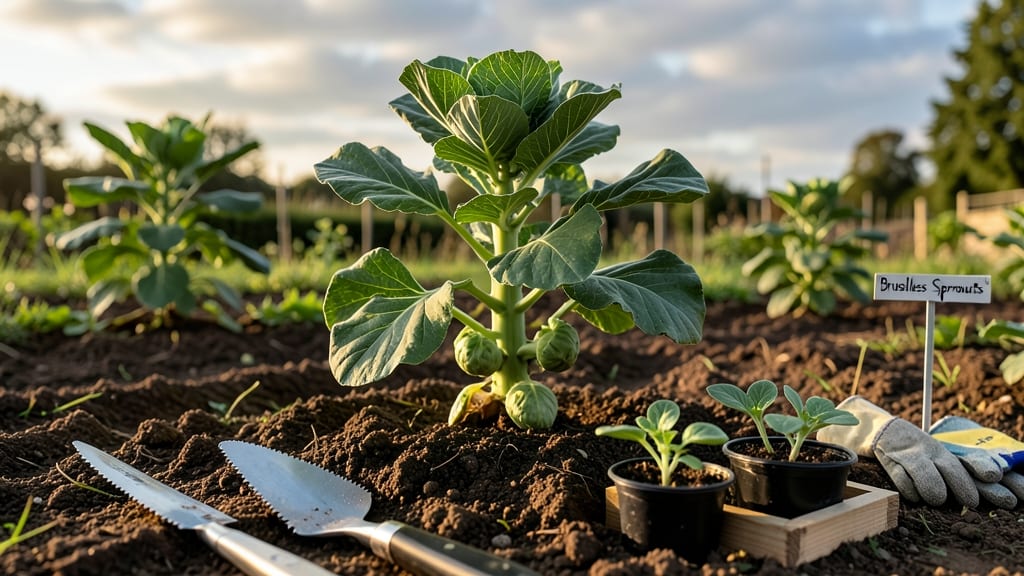
Timing your Brussel sprouts 🥦 planting in Zone 8 isn't just about dropping seeds in the ground—it's the difference between sweet, tender harvests and bitter, stunted plants.
With summer heat lingering well into October, most gardeners make the costly mistake of planting too early, only to watch their sprouts bolt or struggle.
Here's the secret: the perfect window for Zone 8 is actually August-September for fall crops, or February-March for spring planting. This timing lets you avoid summer's scorching heat while giving your plants 80-90 days of cool weather to mature before frost hits.
I'll show you exactly how to nail these deadlines—plus which heat-tolerant varieties actually thrive in your climate.
Whether you're starting from seeds or transplants, I'll break down the critical frost-free dates you need to know, how to adjust for microclimates (coastal vs. inland), and even when to fertilize for maximum flavor. Let's get those 🥦 growing like pros—no guesswork, just results.
You'll also discover why spacing matters more than you think, how companion plants can protect your crop, and the one simple trick to prevent bolting in Zone 8's unpredictable weather. Ready to grow Brussels that'll have your neighbors asking for cuttings?

Zone 8 Brussel sprouts planting calendar: exact frost-free deadlines & heat tolerance limits
Brussels sprouts in Zone 8 face a unique challenge: the heat. While they love cool weather, the 90°F+ temperatures common in summer can stress plants, leading to bitter sprouts or bolting.
The key is timing—planting when soil temperatures drop below 75°F and days grow shorter. This means focusing on early fall and late winter windows.
In Zone 8, your last frost date typically falls around December 15, while the first frost hits about January 15. To maximize your harvest, aim to plant 8-10 weeks before the first frost, giving sprouts enough time to mature before winter sets in.
For a spring harvest, plant in February or early March.
Here’s the critical timeline: August-September for fall harvests and February-March for spring. These windows ensure your plants avoid the summer heat while still benefiting from cooler temperatures. Coastal areas in Zone 8 may have slightly later frost dates, so adjust accordingly.
🌱 Pro Tip: Use a soil thermometer to confirm temperatures are below 75°F before planting. If soil is too warm, wait until evening to plant and water deeply to cool the roots.
| Planting Window | Ideal Months | Soil Temp | Days to Harvest | Harvest Window |
|---|---|---|---|---|
| Fall Planting | August-September | Below 75°F | 90-120 days | December-January |
| Spring Planting | February-March | 50-65°F | 90-120 days | April-May |
| Heat-Tolerant Varieties | July-August | Below 80°F | 100-120 days | October-November |
If you’re planting in late summer (July-August), opt for heat-tolerant varieties like 'Long Island Improved' or 'Ruby Ball'. These can handle slightly warmer soil (up to 80°F) but still require shade cloth during peak afternoon heat to prevent bolting.
For these varieties, extend your planting window slightly later but expect a later harvest (October-November).
Another critical factor is succession planting. In Zone 8, you can stagger plantings every 2-3 weeks from August through September to ensure a continuous harvest from December through January. This works especially well if you’re growing multiple varieties with different maturity rates.
💧 Watering Tip: Brussels sprouts need consistent moisture, especially during their first 4-6 weeks of growth. In Zone 8’s dry heat, water deeply every 3-5 days to keep soil evenly moist but not waterlogged. Mulch with straw or wood chips to retain moisture and cool the soil.
Finally, monitor your plants for heat stress signs, like yellowing leaves or stunted growth. If temperatures rise above 85°F for more than a few days, provide afternoon shade with a lightweight shade cloth (30-50%).
This small adjustment can make the difference between a bitter harvest and sweet, tender sprouts.
With the right timing and care, you’ll enjoy a bountiful harvest of Brussels sprouts in Zone 8—even in the heat! 🌿
Zone 8 Brussel sprouts planting calendar: exact frost-free deadlines & heat tolerance limits
Zone 8 gardeners face a unique challenge: Brussel sprouts need cool weather to thrive, but summer heat can turn them bitter or cause them to bolt prematurely. The key is timing—plant too early, and they’ll struggle with heat; too late, and they won’t mature before frost.
My strategy? Focus on two planting windows: early fall and late winter, both designed to avoid summer’s peak temperatures.
For Zone 8’s average last frost date (around December 15), aim to plant 8-10 weeks before frost. That means sowing seeds or transplants between mid-August and early September for a fall harvest.
This gives your plants enough time to mature before winter sets in. If you prefer a spring harvest, plant in late February to early March, ensuring they’re established before summer heat arrives.
📅 Zone 8 Brussel Sprouts Planting & Harvest Timeline
| Stage | Action | Notes |
|---|---|---|
| Early Fall Planting | Mid-August - Early September | 8-10 weeks before frost |
| Late Winter Planting | Late February - Early March | Avoid spring heat stress |
| Harvest Window | December - January (Fall) or April - May (Spring) | Pick before hard frost |
| Soil Temp Threshold | 45°F - 85°F | Ideal: 60°F - 75°F |
| Heat Tolerance Limit | 85°F (3 days max) | Use shade cloth if temps rise |
💡 Pro Tip: Monitor your local microclimate—coastal areas stay cooler longer than inland zones. Adjust planting dates accordingly!
Zone 8’s heat tolerance limits are critical. Brussel sprouts can handle brief exposure to 85°F, but prolonged heat above 90°F will cause bolting (flowering) and bitter sprouts.
To mitigate this, I recommend planting heat-tolerant varieties like 'Long Island Improved' or 'Ruby Ball' and using shade cloth (30-50%) during peak summer months if you’re experimenting with summer plantings.
Another trick I’ve used is succession planting. Instead of one large batch, sow seeds every 2-3 weeks in August and September. This spreads out your harvest and reduces the risk of losing an entire crop to heat or frost.
For example, plant a small batch in early August, another in mid-August, and a final one in early September. This way, you’ll have sprouts ready to harvest at different times, ensuring a steady supply.
Don’t forget to harden off seedlings if starting from transplants. Move them outdoors gradually over 7-10 days before planting to help them adjust to Zone 8’s fluctuating temperatures.
I also recommend testing your soil’s pH (6.0-7.0) and amending it with compost to improve drainage—Brussel sprouts hate soggy roots but need consistent moisture.
Finally, keep an eye on the first frost date (around January 15). If you’re planting for a fall harvest, aim to have your sprouts fully grown by then. For spring plantings, ensure they’re established by late March to avoid heat stress.
With these timing strategies, you’ll enjoy sweet, tender Brussels sprouts even in Zone 8’s challenging climate! 🌱