
Plants
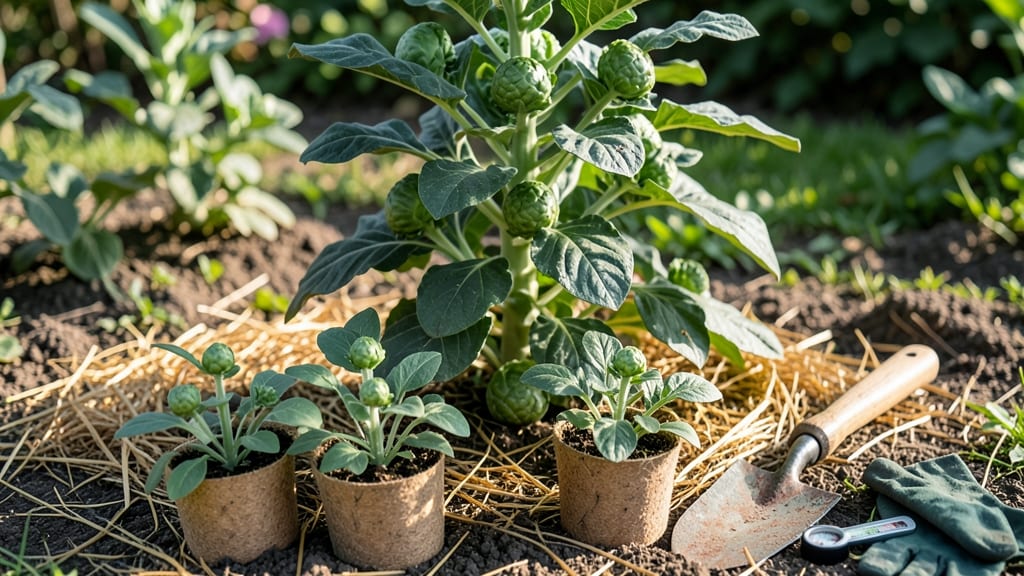
Timing is everything when it comes to growing Brussel sprouts in Kansas—plant too early, and you risk bitter flavors or stunted growth from summer heat. Get it right, though, and you’ll enjoy crisp, flavorful harvests straight from your garden.
With Kansas’ USDA Zones 5b-7a, the key is planting during the late spring or early fall windows—typically late March to early May or July to August. The goal? Beat the heat while giving your 🥦 enough time to mature before the first frost hits in late October.
I’ll break down the exact frost-free window for your zone, including how to adjust for microclimates and avoid common mistakes that ruin harvests. Whether you’re a first-time gardener or a seasoned pro, these tips will help you grow the best Brussel sprouts Kansas has to offer.
Ready to transform your garden into a sprouting success? Let’s dive into the perfect planting schedule—and why timing makes all the difference for your fall harvest.
Kansas frost-free window for Brussel sprouts: exact planting dates by Zone 5-6
Kansas gardeners know timing is everything for Brussel sprouts, especially in USDA Zones 5-6 where summers can be hot and winters harsh. The key to growing crisp, flavorful sprouts lies in planting during the frost-free window—either in late spring or early fall.
Miss these windows, and you risk bitter-tasting sprouts or stunted plants.
For Zone 5, the last frost typically occurs around April 15-30, while Zone 6 sees it slightly earlier, by April 1-15. First frosts arrive between October 20-November 10, depending on elevation and microclimates.
These dates create your planting window—either 8-10 weeks before the first frost (fall) or 4-6 weeks after the last frost (spring).
Here’s the breakdown of your ideal planting windows for Kansas:
| Planting Window | Zone 5 (Days to Frost) | Zone 6 (Days to Frost) | Recommended Varieties |
|---|---|---|---|
| Spring Planting | April 15 - May 15 | April 1 - May 10 | 'Long Island Improved', 'Ruby Ball' |
| Fall Planting | July 15 - August 15 | July 1 - August 10 | 'Tuxedo', 'Corvette' (heat-tolerant) |
| Succession Planting | Every 2 weeks (June-Sept) | Every 2 weeks (June-Aug) | 'Jade Cross' (compact) |
Fall planting is often the best strategy in Kansas because it allows Brussel sprouts to mature in cooler weather, avoiding the summer heat that can cause bolting (premature flowering). For Zone 6, heat-tolerant varieties like 'Corvette' or 'Tuxedo' are ideal—they handle 90°F+ temps better than traditional varieties.
Adjust your planting dates based on your local microclimate. Areas near rivers or lakes may have later last frosts, while higher elevations (e.g., Wichita Mountains) can experience earlier frosts. Use a frost calendar from your local Cooperative Extension office for precise dates.
Once you’ve picked your planting window, prepare your soil with compost and a balanced fertilizer (10-10-10). Brussel sprouts thrive in well-draining, slightly acidic soil (pH 6.0-7.0).
Plant seeds ½ inch deep, 2 inches apart, and thin seedlings to 18-24 inches apart once they’re 4 inches tall.
Pro tip: If you’re planting in late summer, use row covers or black plastic mulch to protect seedlings from early fall frosts. This gives your plants a head start before temperatures drop.
For spring planting, start seeds indoors 6-8 weeks before the last frost to transplant hardened-off seedlings after soil temperatures reach 45°F. Harden off seedlings by gradually exposing them to outdoor conditions over 7-10 days to avoid transplant shock.
Remember, Brussel sprouts need 6+ hours of sun daily and consistent moisture. Water deeply 1-2 inches per week, especially during drought periods, to prevent bitter flavors or stunted growth. Mulch around plants to retain moisture and regulate soil temperature.
With the right planting timing and care, you’ll harvest crisp, flavorful sprouts from October through December—just in time for holiday meals! 🥦
How to extend your Brussel sprout season in Kansas: fall planting strategies
Fall planting is your secret weapon for crisp, sweet brussel sprouts in Kansas. Unlike spring crops, fall-planted sprouts mature in cooler weather, avoiding the bitter flavors caused by summer heat.
For Zone 5-6, aim to plant 8-10 weeks before the first frost—typically mid-July to early August—to ensure a harvest before hard freezes.
Start with heat-tolerant varieties like 'Long Island Improved' or 'Ruby Ball' to handle Kansas' summer heat. These varieties thrive in 60-75°F soil temperatures and produce better-quality sprouts when planted in late July.
If you miss this window, don’t worry—succession planting in early August can still yield a late-fall harvest.
Here’s how to protect your young seedlings from unpredictable Kansas frosts. Use row covers or cold frames to shield plants from early chills. For extra insulation, try straw mulch around the base of plants to regulate soil temperature and retain moisture.
These methods can extend your growing season by 2-4 weeks, giving you more time to harvest.
Fall Planting Step-by-Step
- Choose the right variety: Select heat-tolerant and cold-hardy types like 'Long Island Improved' or 'Ruby Ball'.
- Prepare the soil: Amend with compost and well-rotted manure for nutrients. Test pH—aim for 6.0-7.0.
- Plant in late July: Sow seeds 1/2 inch deep, spacing them 18-24 inches apart in rows.
- Water deeply: Keep soil consistently moist but avoid waterlogging. Use drip irrigation to prevent fungal diseases.
- Protect from frost: Apply row covers or straw mulch when nighttime temps drop below 50°F.
- Harvest before hard frost: Pick sprouts from the bottom up as they reach 1-1.5 inches in diameter.
Timing your harvest is crucial for optimal flavor and texture. In Kansas, brussel sprouts typically mature between 90-120 days after planting. Begin harvesting in late October and continue until the first hard frost, which usually arrives in mid-November.
To store your harvest, trim the stems and hang them upside down in a cool, dark place for up to 2 months.
If you’re new to fall planting, start small with 2-3 plants to test your local microclimate. Observe how your plants respond to Kansas’ variable weather and adjust your strategy accordingly.
For example, if your area experiences an early frost, consider using a cold frame or greenhouse to extend the season even further.
Remember, brussel sprouts are biennial plants, meaning they’ll bolt in their second year if left in the ground. In Kansas’ climate, this usually happens in early spring, so plan to harvest or pull plants before they flower.
With the right timing and care, you’ll enjoy a bountiful, flavorful harvest that rivals store-bought sprouts—without the bitterness!