
Plants
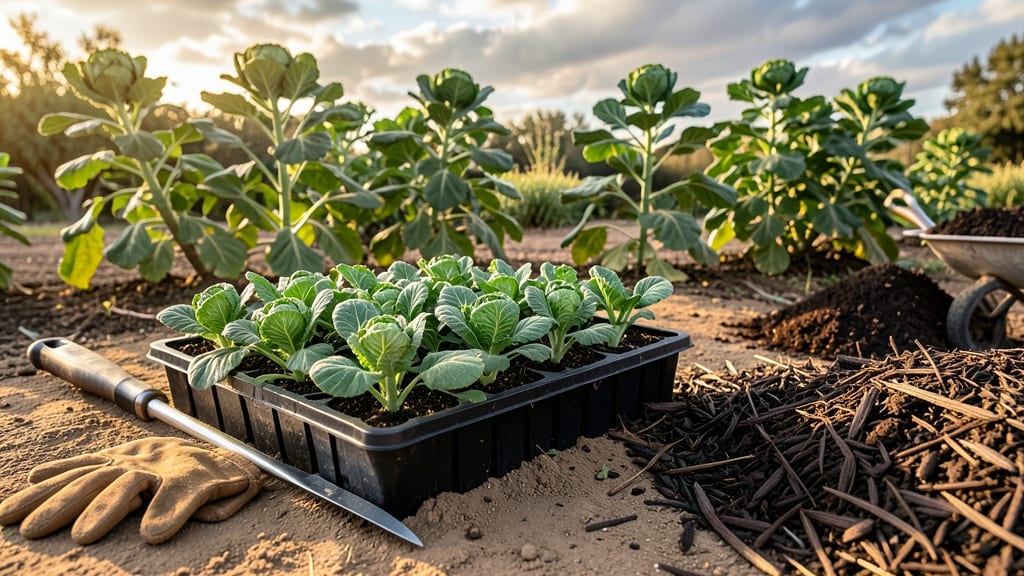
Planting Brussel sprouts 🥦 in Southern California isn’t just about picking a month—it’s about beating the heat and avoiding frost surprises, even in our mild climate. The wrong timing can turn your fall harvest into a sad, wilted mess, but get it right, and you’ll enjoy fresh, crisp sprouts straight from your garden.
Here’s the secret: September to October is your sweet spot for fall planting, while January to February works for winter crops. But coastal areas like San Diego have different rules than inland spots near Riverside—microclimates matter more than you’d think.
I’ll break down exactly when to plant based on your specific zone, how to prep soil for success, and even how to stretch your harvest season. No more guessing—just proven strategies to grow healthy, productive Brussel sprouts that thrive in SoCal’s tricky climate.
Ready to turn your garden into a sprout-producing powerhouse? Let’s dive into the perfect planting schedule for your location.
Southern California microclimates: best planting months by Zone (coastal vs. inland)
Southern California’s diverse microclimates mean your Brussels sprouts planting window depends heavily on where you live. Coastal areas like Santa Barbara and San Diego enjoy milder winters, while inland spots like Los Angeles and Riverside face occasional frost.
Even desert-adjacent zones (Palm Springs) have unique timing needs. Let’s break down the ideal planting months for each region to maximize your harvest.
For coastal Southern California (USDA zones 9b-10a), the best planting window is late August through September. These areas stay frost-free year-round, but summer heat can stress young plants.
Starting seeds 8-10 weeks before your first frost-free date (which is never in most coastal zones) ensures they mature before temperatures dip below 55°F.
In inland valleys (Los Angeles, Riverside), where light frosts can occur in December, aim for September 15 to October 15. This gives your plants 90-120 days to mature before winter chill sets in.
For desert-adjacent areas (Palm Springs, Coachella Valley), push planting to October 1 to November 1—the cooler nights help prevent bolting (premature flowering).
Here’s a quick comparison to help you decide:
| Region | Best Planting Window | Key Consideration | Harvest Window |
|---|---|---|---|
| Coastal (Santa Barbara, San Diego) | Late August – September | Avoid summer heat; frost risk is low | December – February |
| Inland (Los Angeles, Riverside) | September 15 – October 15 | Watch for December frosts; use row covers | January – March |
| Desert-Adjacent (Palm Springs) | October 1 – November 1 | Cooler nights prevent bolting | December – February |
If you’re in a transition zone (e.g., Orange County), split your planting: 50% in September for an early harvest and 50% in January for a late-season crop. This staggered approach extends your harvest from December to May, giving you fresh sprouts year-round.
For container gardening, adjust your timeline by 2-3 weeks earlier—pots heat up faster and dry out quicker. Place containers in partial shade during summer to prevent stress.
If you’re using dwarf varieties (1.5-2 ft tall), they mature faster (80 days) and can handle slightly later plantings (October 15 in inland areas).
Always check your local frost dates using the USDA Plant Hardiness Zone Map or your Cooperative Extension office. Even in SoCal, inland valleys can drop below 32°F—and Brussels sprouts won’t survive frost.
If you’re unsure, err on the side of earlier planting and use row covers for extra protection.
Pro tip: Direct-sow seeds in your garden for the best results—Brussels sprouts hate transplanting. Space them 18-24 inches apart in rows 3 feet apart to allow airflow and reduce disease risk. Add 2-3 inches of compost to the soil before planting to give them a nutrient boost.
🌱
Southern California microclimates: best planting months by Zone (coastal vs. inland)
Southern California’s microclimates create dramatic differences in Brussel sprout success. Coastal areas like Santa Barbara and San Diego enjoy mild winters, while inland zones like Los Angeles and Riverside face occasional December frosts.
Desert regions like Palm Springs rarely see frost, but summer heat can stress plants. Timing is everything to avoid heat bolting or frost damage.
For coastal gardens, aim to plant Brussel sprouts between late August and early October. This window ensures they mature before cool winter nights slow growth.
Inland areas should plant September through October to avoid December frost risks, while desert regions can extend planting to November thanks to their frost-free climate.
| Zone | Best Planting Window | Key Consideration |
|---|---|---|
| Coastal (Santa Barbara, San Diego) | Late August - Early October | Mild winters; avoid summer heat |
| Inland (Los Angeles, Riverside) | September - October | December frost risk; harvest before winter |
| Desert (Palm Springs, Coachella) | September - November | Frost-free; extend season with shade |
If you live in Zone 9b (coastal), prioritize September planting for a December-March harvest. For Zone 10a (inland), shift to October to avoid December chills. Desert gardeners can push to November but must use shade cloth during summer to prevent heat stress.
Always check your local frost dates—even inland areas can see light frosts in December. Use row covers if frost is forecasted, but avoid plastic that traps too much heat. Cold-hardy varieties like 'Long Island Improved' or 'Ruby Ball' tolerate 32°F temperatures better than standard types.
For extended harvests, plant a second crop in January for a spring harvest (April-June). This works best in coastal zones where winter temperatures stay mild. Inland gardeners should wait until February to avoid early-season frosts.
Pro tip: Test your soil’s pH (6.0-7.0) before planting. Amend with compost if needed—Brussel sprouts thrive in nutrient-rich soil. Mulch with straw or wood chips to retain moisture and regulate soil temperature.