
Plants
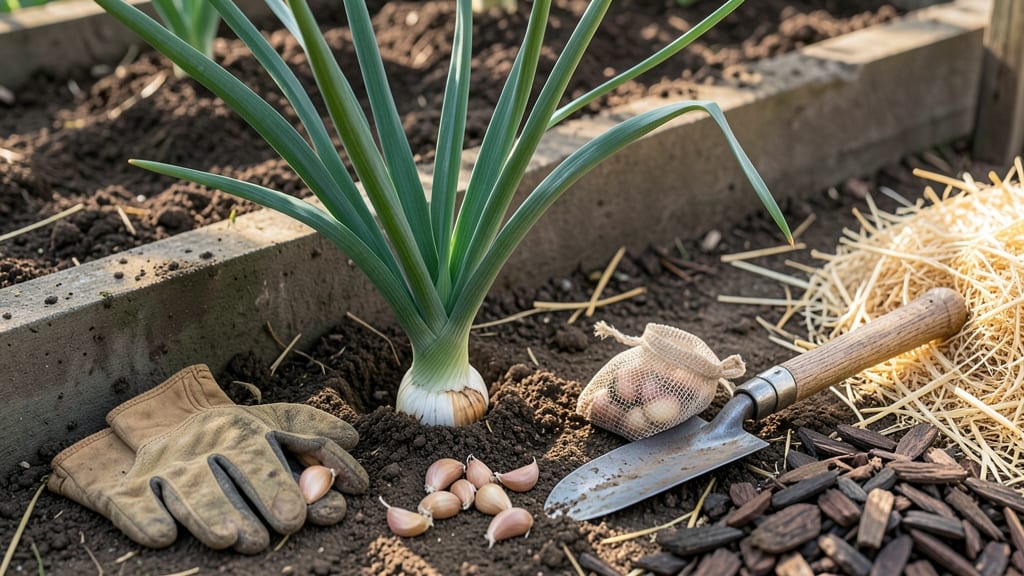
Timing your 🧄 garlic planting in Zone 6b isn’t just about the calendar—it’s about outsmarting frost, soil temperatures, and those tricky late-winter thaw surprises. Plant too early, and your cloves might rot before winter’s chill sets in; too late, and your harvest shrinks to puny bulbs.
The 6-week window before the ground freezes is your sweet spot, but Zone 6b’s unpredictable swings mean flexibility is key.
Most gardeners in Zone 6b swear by planting in October or early November, when soil temps hover around 40°F—cool enough to deter sprouting but warm enough to let roots establish.
This timing lets garlic develop strong roots before winter dormancy, setting the stage for next summer’s flavorful harvest. But if your fall runs warmer or colder than average, you’ll need to adjust.
Here’s the game-changer: hardneck varieties (like Rocambole or German White) thrive best in Zone 6b’s climate, while softnecks need a little extra protection from winter’s harshest spells.
Whether you’re a first-timer or a seasoned grower, mastering these nuances means the difference between garlic that’s barely edible and bulbs so bold they’ll make your dishes sing.
Ready to unlock the secrets? I’ll walk you through the exact months to plant, how to tweak for your local microclimate, and why soil prep in early fall could be your biggest harvest hack. Let’s get those cloves in the ground at the perfect moment.
Optimal planting windows for garlic in Zone 6B: month-by-month breakdown
For Zone 6B gardeners, timing garlic correctly means the difference between bountiful bulbs and wasted effort. The ideal window is 4-6 weeks before ground freeze, typically mid-October to early November.
This gives roots time to establish before winter dormancy. Hardneck varieties (like Rocky Mountain) thrive best in this zone, while softneck types (like Silverskin) need extra care for winter survival.
Zone 6B’s average last frost date is November 15, but soil temps drop faster in some areas. Planting too early risks rot from excess moisture; too late, and bulbs won’t mature fully. Soil temperature should be 40-50°F (4-10°C) at planting—cooler than most gardeners expect!
Use a soil thermometer to confirm.
Here’s your month-by-month breakdown for Zone 6B garlic planting, including soil prep and variety-specific tips:
| Month | Task | Soil Temp | Notes |
|---|---|---|---|
| September | Soil prep (add compost) | 60-70°F (15-21°C) | Test pH (6.0-7.0 ideal) |
| October | Plant hardneck cloves | 40-50°F (4-10°C) | Pointy end up, 2" deep |
| November | Plant softneck (late) | 35-45°F (2-7°C) | Use mulch (straw 4") |
| December | Mulch heavily | Frozen | 6" of straw or leaves |
| Spring (March) | Remove mulch | 40°F+ (4°C+) | Watch for scapes! |
If you miss the fall window, spring planting is possible but risky—bulbs won’t mature fully.
For Zone 6B’s variable winters, prioritize hardneck varieties; they handle cold better and produce scape shoots (edible bonus!). Softneck garlic needs warmer winters and may require row covers or indoor overwintering in colder microclimates.
Pro tip: Label your rows by variety and planting date. Hardneck garlic (e.g., German White) sends up scape shoots in early spring—harvest these to redirect energy to bulb growth! Softneck varieties (like Artichoke) store longer but need consistent moisture in Zone 6B’s dry summers.
For urban gardeners with limited space, try container planting in 10-inch pots—just ensure pots have drainage. Black plastic mulch warms soil faster in spring, helping softneck varieties catch up if planted late. Always rotate crops to prevent disease; never plant garlic where onions or leeks grew the prior year.
Zone 6B’s first frost typically arrives April 15, but harvest timing depends on variety. Hardnecks are ready by late June, while softnecks may need until August. Look for brown lower leaves and firm bulbs—dig one to check! Over-mature garlic splits, so harvest promptly.
Remember: Zone 6B’s microclimates vary. If you’re in a warmer pocket (like near a lake), plant 2 weeks later. For colder areas, aim for early October planting. Soil moisture is critical—garlic rots in soggy soil but dries out in summer droughts.
With this timing guide, you’ll grow plump, flavorful garlic bulbs year after year—no more wasted cloves or underwhelming harvests! 🌱
How to adjust planting for Zone 6B's unpredictable weather patterns
Zone 6B’s unpredictable frost dates and temperature swings can throw off even the most experienced garlic growers. Unlike milder climates, my Zone 6B garden often sees early frosts in November or late thaws in April, forcing me to adjust my planting strategy every year.
The key is flexibility—knowing when to plant early, when to wait, and how to protect your crop if Mother Nature throws a curveball.
For hardneck varieties, which thrive in colder climates, I aim to plant 4-6 weeks before the first hard frost (usually mid-October to early November in my area). But if soil temperatures drop below 40°F too soon, garlic cloves may rot before sprouting.
That’s why I always check the 10-day forecast and have a backup December planting plan if October turns too wet or cold.
⚠️ Callout Warning: Late Planting Risks
Planting garlic after November 15 in Zone 6B increases the risk of small bulbs or poor flavor. If you miss the ideal window, consider spring planting (February-March) for a smaller harvest, but expect softer necks and less storage life.
🌱 Pro Tip: Use a soil thermometer to confirm temps are above 40°F before planting.
Another trick I use is mulching heavily after planting. A 4-6 inch layer of straw insulates the soil, protecting cloves from freeze-thaw cycles that can heave them out of the ground. I also mark my planting rows with flagging tape so I don’t accidentally till them in spring.
In years with early snowfall, this mulch acts like a blanket, keeping the soil 5-10°F warmer than unprotected areas.
If you’re dealing with clay-heavy soil that stays cold longer, consider raising beds or planting in well-draining containers. Warmer soil speeds up root establishment, giving garlic a head start before winter dormancy.
I’ve had success with black plastic mulch laid over beds in early October—it warms the soil by 5-8°F and can be removed before planting to avoid overheating.
For backup planting dates, I keep a few cloves in the fridge until late December if October-November conditions are unfavorable. While spring-planted garlic won’t produce large bulbs, it’s better than nothing. Just remember: spring garlic needs consistent moisture and fertility to compensate for its shorter growing season.
Finally, pay attention to microclimates in your garden. South-facing slopes warm up faster in spring, while low-lying areas may stay cold longer. I’ve planted garlic in both locations in the same year—some beds sprouted in early March, while others waited until mid-April.
By observing these patterns, you’ll learn which spots are most reliable for your specific Zone 6B conditions.