
Plants
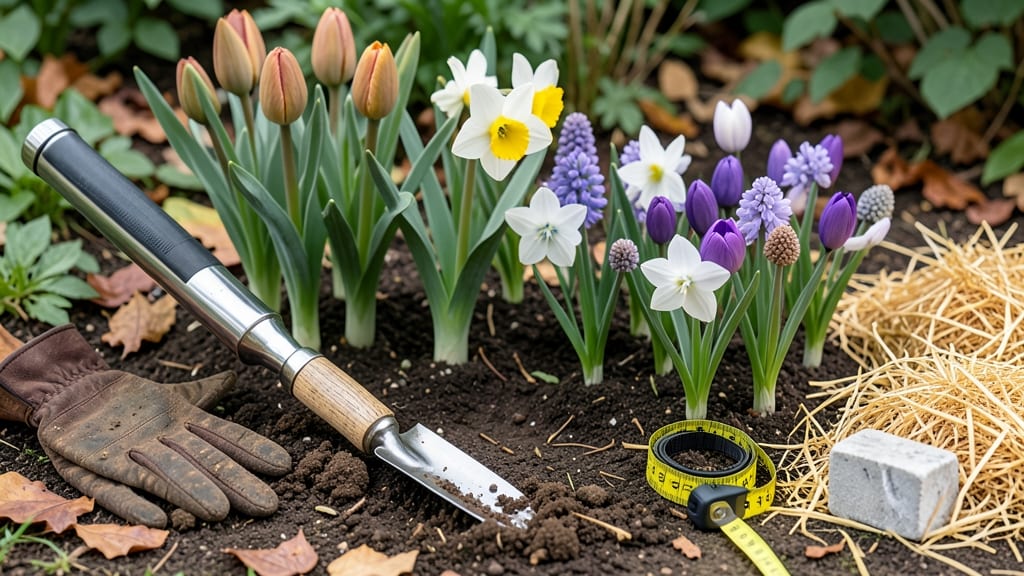
Timing is everything when it comes to planting bulbs in Minnesota—get it wrong, and you might end up with frost-damaged plants or missed spring blooms. With USDA zones 3a-5b and unpredictable weather, knowing the perfect window can mean the difference between a vibrant garden and a disappointing one.
Most gardeners in Minnesota focus on fall planting, but did you know some bulbs thrive when planted in March or April? The key is understanding your local frost dates and soil conditions.
Whether you're planting tulips, daffodils, or crocuses, this guide will help you avoid common mistakes and maximize your garden's potential.
I’ll break down the best months for planting, how to prepare your soil, and which bulbs handle Minnesota’s harsh winters best. No more guessing—just science-backed tips to ensure your 🌱 bulbs bloom beautifully year after year.
Ready to transform your garden? Let’s dive into the exact timeline and strategies that work for Minnesota’s climate, so you can enjoy stunning spring flowers without the stress.
Minnesota bulb planting calendar: exact months by type (tulips, daffodils, hyacinths, more)
Timing your bulb planting in Minnesota’s Zone 4-5 climate means balancing frost dates with soil conditions. Most spring-blooming bulbs like tulips and daffodils need 6-8 weeks before the ground freezes, while fall-planted varieties like crocus thrive with early September starts.
Southern MN (Zone 5) has a 2-week window later than northern regions (Zone 4).
Use your last frost date as a guide—typically mid-May—and count backward. For example, if frost hits October 15th, plant by September 1st. Adjust for soil temperature: bulbs need 60°F soil to root properly, which Minnesota often hits by late August.
Here’s your Minnesota bulb planting calendar broken down by type, with Zone 4 and Zone 5 adjustments:
For late fall planting, aim to finish by October 15th in Zone 4 and November 1st in Zone 5. Soil should still be workable, not frozen. If you miss the window, wait until early spring (March-April) for varieties like tulips, but expect smaller blooms.
Pro tip: Test soil moisture before planting. If it’s dry, water the area 24 hours beforehand to help bulbs establish roots faster. Mulch with straw or leaves after planting to insulate against winter temperature swings.
Spring-planted bulbs (like gladiolus) can go in after last frost, but they won’t naturalize like fall-planted varieties. For year-round color, layer bulbs: plant crocus first (deepest), then tulips, and top with daffodils (shallowest). This creates a staggered bloom sequence from early spring to late spring.
Watch for false springs—those unseasonably warm spells in March or April. If temps drop below 20°F, cover newly planted bulbs with mulch or burlap to prevent frost heave.
In my Zone 4 garden, I’ve lost entire rows of tulips when a late frost hit after I planted them too early in
How to time bulb planting for Minnesota’s unpredictable weather: pro tips to avoid frost damage
Minnesota’s unpredictable frost dates mean even experienced gardeners need a backup plan for bulb planting. The 6-8 week rule (planting bulbs 6-8 weeks before ground freeze) works for most years, but false springs and early snow can throw off timing.
I’ve learned to adjust based on soil temperature, not just calendar dates.
Start by checking your local first frost average—most of Minnesota falls between October 10-20 for Zone 4 and October 15-30 for Zone 5. But don’t rely solely on averages! Use a soil thermometer to confirm when temps drop below 40°F (4°C) consistently. This is your true planting deadline.
For extra protection, I mulch heavily after planting with 4-6 inches of straw or shredded leaves. This creates an insulating layer that can delay frost penetration by 2-3 weeks, giving bulbs more time to root.
In urban areas, where microclimates run warmer, you might push planting 1-2 weeks later than rural zones.
🌱 5 Pro Tips for Minnesota Bulb Planting
- 1. Plant in layers: Use small bulbs (crocus, snowdrops) as a first layer, then larger bulbs (tulips, daffodils) on top. This maximizes space and protects deeper bulbs from temperature swings.
- 2. Water deeply after planting: A 1-inch soak helps bulbs establish roots before freeze. Use a soaker hose to avoid displacing soil.
- 3. Mark your beds: Use flagging or landscape fabric markers to remember where bulbs are planted. Snow cover can obscure beds until late winter.
- 4. Adjust for snow cover: Areas with deep, persistent snow (like northern MN) can plant bulbs 2 weeks later than southern regions. Snow acts as natural insulation.
- 5. Test for false springs: If temps rise above 50°F (10°C) in late winter, monitor nighttime lows. A single frost after shoots emerge can kill tender growth.
If you miss the fall planting window, don’t panic! Many bulbs—especially daffodils and alliums—can be planted in early spring (March-April) as soon as soil is workable. Just plant 2 weeks earlier than fall to account for slower root establishment. I’ve had great success with spring-planted hyacinths this way.
For high-risk areas (like Zone 4’s northern regions), consider container planting. Use deep pots with drainage and move them to a garage or unheated shed during extreme cold snaps. This gives you flexibility to adjust timing based on weather forecasts.
Remember: Bulb health depends on foliage, not just flowers. After blooms fade, let leaves yellow and die back naturally—this recharges the bulb for next year. In Minnesota’s short season, every extra week of growth matters. Skip the urge to cut back foliage early, even if it looks unsightly.