
Flowers
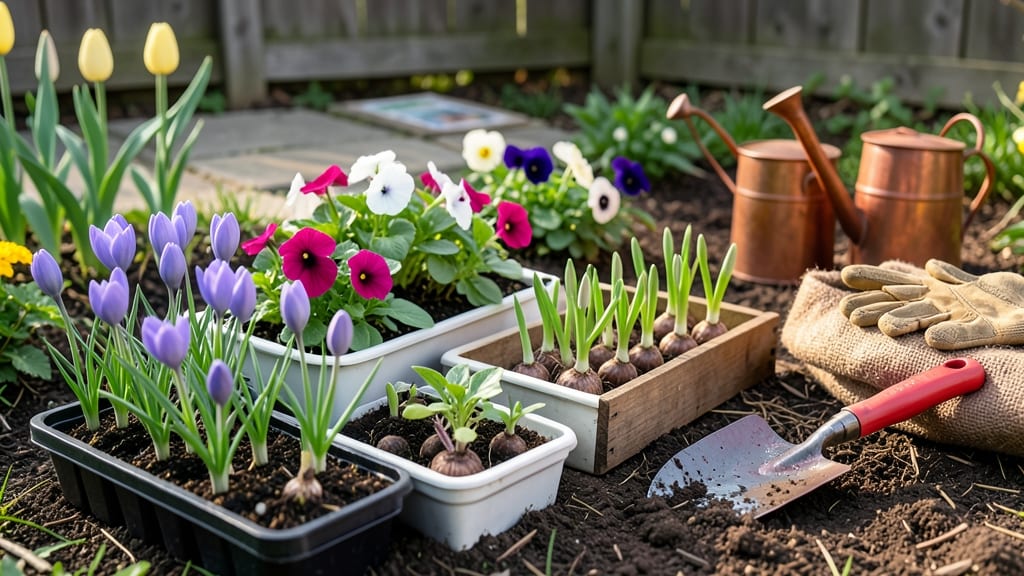
Timing your spring flower planting wrong can mean wilted dreams before the blooms even appear—but getting it right transforms your garden into a vibrant 🌸 paradise.
The key lies in knowing your last frost date and how it aligns with your USDA hardiness zone, especially in areas like Zone 6a where frost can linger until mid-April.
Most gardeners wait until after the last frost to plant their favorite flowers, but the exact timing depends on whether you're growing cool-season varieties like pansies or heat-loving annuals like zinnias.
In my experience, rushing too early can leave delicate seedlings vulnerable, while waiting too long might stunt their growth before summer's peak.
What I’ve learned is that soil temperature matters just as much as air temperature—aim for at least 60°F before planting. This guide will help you pinpoint the perfect window for your region, whether you're in a cooler climate where frost lingers or a warmer zone where spring arrives early.
Let’s break down the essential steps to ensure your flowers thrive from seedling to full bloom, so you can enjoy a garden bursting with color all season long. You’ll discover how to prepare your soil, choose the right varieties, and even adjust for unexpected late frosts.
Spring flower planting deadlines by USDA hardiness zone (with last frost date guide)
Spring is the busiest season for gardeners, but planting flowers too early or too late can ruin your blooms before they even begin. The key to success lies in knowing your USDA hardiness zone and last frost date—two critical factors that determine when to plant flowers in spring.
For example, in Zone 5, you might plant pansies in early April, while in Zone 10, you could start marigolds as early as February.
Every zone has a different timeline for planting flowers in spring, and even within the same zone, microclimates can shift planting windows by weeks. To avoid frost damage, always wait until the soil temperature reaches at least 60°F (15°C)—this ensures roots establish quickly and seedlings don’t wilt.
Check your local last frost date using the NOAA Frost Calculator or apps like PlantNet for precise timing.
Here’s a quick reference for planting flowers in spring across USDA zones. Use this as your guide to align your planting schedule with your local climate and avoid common mistakes like planting tender annuals too soon.
| USDA Zone | Last Frost Date | Early Spring Planting Window | Late Spring Planting Window | Best Flowers for Zone |
|---|---|---|---|---|
| Zones 3-4 | Mid-to-late May | Late April (hardy annuals) | June (tender annuals) | Pansies, Sweet Peas, Snapdragons |
| Zones 5-6 | Early-to-mid May | Early April (cool-season flowers) | Late May (warm-season flowers) | Tulips, Marigolds, Petunias |
| Zones 7-8 | Mid-April | February (winter annuals) | May (heat-loving flowers) | Zinnias, Sunflowers, Geraniums |
| Zones 9-10 | Late January | January (year-round planting) | March (late bloomers) | Lantana, Bougainvillea, Impatiens |
If you’re unsure about your zone, use the USDA Plant Hardiness Zone Map to find your exact location. Even a slight difference in zones can mean the difference between blooming flowers and frost-killed seedlings.
For example, Zone 6a (like my garden in upstate New York) has a last frost date around April 15, while Zone 6b might be a week later.
For annual flowers, which complete their life cycle in one season, timing is everything. Plant cool-season annuals like pansies or sweet peas 4-6 weeks before your last frost date, while warm-season annuals like marigolds or zinnias should wait until after the last frost.
Perennials, on the other hand, are more forgiving—plant them in early spring as soon as the ground is workable, even if a light frost is still possible.
Pro tip: Use row covers or cold frames to extend your planting window for tender flowers. These protective layers can shield seedlings from late frosts and give you an extra 2-3 weeks of planting time.
I’ve used them successfully with petunias and geraniums in Zone 5, pushing their planting window from late May to early May.
Bulbs like tulips and daffodils have their own deadlines—plant them in fall (6-8 weeks before the first frost) for spring blooms. But for spring-planted bulbs like caladiums, wait until after your last frost date and when soil temperatures are consistently above 65°F (18°C).
Don’t forget to prepare your soil before planting. Amend it with compost or aged manure to improve drainage and fertility. Well-draining soil is especially critical for bulbs and perennials, which can rot in soggy conditions.
Test your soil’s pH too—most flowers thrive in a slightly acidic to neutral range of 6.0 to 7.0.
Finally, keep an eye on your local weather forecast. A late frost can still sneak in even after your average last frost date. If frost is predicted, cover your seedlings with a lightweight blanket or frost cloth to protect them.
With the right timing and a little preparation, your spring flowers will burst into bloom just as they should.
How to adjust flower planting timing for early vs. late spring frost risks
Spring frost can turn your carefully planted flowers into sad, wilted memories—but smart timing and frost protection can save your garden. The key is understanding whether your flowers are cool-season hardy (like pansies) or warm-season lovers (like zinnias).
Planting too early in a late frost zone risks losing seedlings, while waiting too long in early springs delays blooms.
Your microclimate matters more than just your USDA zone. A sheltered south-facing bed warms faster than a windy north corner. Use a frost calendar (like the one from NOAA) to track local trends, then adjust your planting by 1-2 weeks if your area has a history of late frosts.
For cool-season flowers, like snapdragons or calendulas, you can start seeds 4-6 weeks before your last frost date. These tough blooms handle light frost (down to 25°F) and even brief freezes.
Warm-season beauties, such as petunias or geraniums, need to wait until 2 weeks after your last frost—soil should be at least 60°F for them to thrive.
Check your local frost history (use NOAA’s frost maps). Late frosts? Delay planting by 1-2 weeks. Early springs? Start cool-season flowers indoors 4-6 weeks before your average last frost.
For early plantings, try row covers (raises temps by 5-8°F) or cold frames (extends season by 4-6 weeks). Even a lightweight blanket draped over seedlings can save them from 28°F temps.
Opt for pansies (survive 15°F), sweet peas (20°F), or stock flowers (25°F). These cool-season champions bloom early and handle spring’s mood swings.
If your area has unpredictable frosts, consider staggered planting. Sow a few seeds every 10 days for a continuous bloom cycle. For example, plant marigolds in early spring (they tolerate 28°F) and sunflowers in late spring (they need 55°F+ soil).
This ensures blooms from May through fall without gaps.
Don’t forget mulch—a 2-3 inch layer of straw or shredded leaves insulates roots and keeps soil 5°F warmer. For potted flowers, move them to a protected spot (like a garage or under an eave) if a frost warning hits.
With these tweaks, you’ll beat frost risks and enjoy longer, lusher blooms all season.
Even experienced gardeners lose plants to frost—it’s all part of the game. The difference between a thriving garden and a frost-burned disaster often comes down to one week of timing and a few simple tools. Start with your local frost date, then fine-tune with these strategies.