
Planting
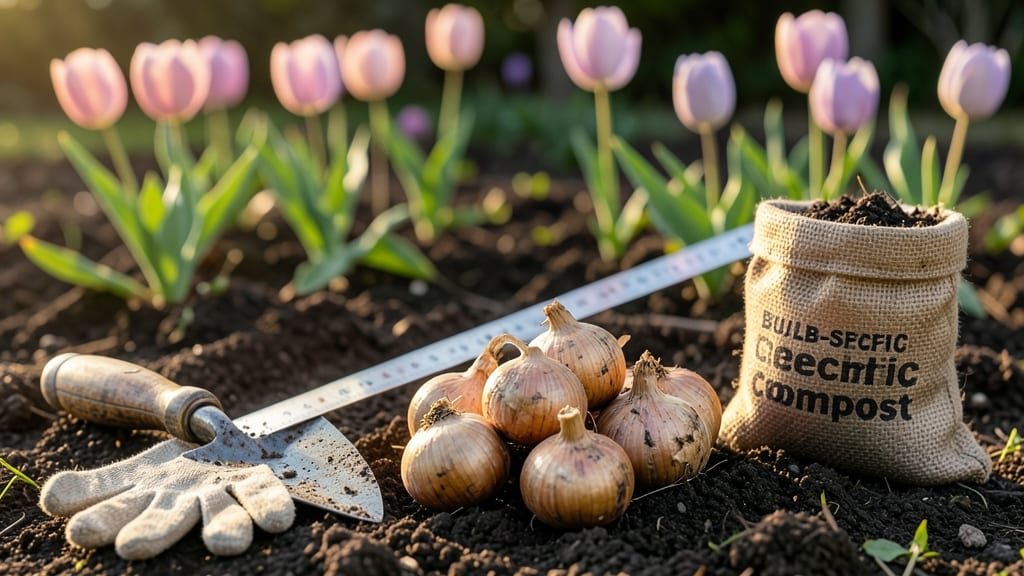
Timing is everything when you're planting bulbs in the garden—get it wrong, and you might end up with nothing but disappointment next spring.
Whether you're a seasoned gardener or just starting out with your first 🌱 bulb collection, knowing the perfect window to plant can make all the difference between a vibrant display and a complete flop.
Most gardeners swear by fall planting, especially in Zone 6a, where the cooler temperatures encourage strong root growth before winter. But what if you missed that window?
I’ll break down exactly when to plant—whether you’re working with tulips, daffodils, or other spring bloomers—and how to adjust for your specific climate. No more guessing!
The key is understanding how bulbs behave underground. Plant them too early, and they’ll rot; too late, and they won’t have enough time to establish roots.
I’ll show you the exact months to aim for, plus pro tips for soil prep and depth to give your bulbs the best possible start. Ready to transform your garden next year?
Let’s dive into the science behind successful planting so you can enjoy those first blooms without the stress. You’ll walk away with a clear, actionable plan tailored to your zone—and trust me, your future self will thank you when those cheerful flowers pop up right on schedule.
Best planting months for bulbs by USDA hardiness Zones
Planting bulbs at the right time ensures strong root growth before winter or spring blooms. Most spring-flowering bulbs—like tulips and daffodils—thrive when planted in fall, while summer-blooming varieties (e.g., dahlias) need early spring planting.
Your USDA hardiness zone determines the exact window, so let’s break it down by region.
In Zones 3-5, aim to plant bulbs 6-8 weeks before the first frost, typically between September and mid-October. For Zones 6-8, the window shifts to October-November, giving roots time to establish before winter.
Meanwhile, gardeners in Zones 9-10 can plant in winter months (December-February) to avoid summer heat stress.
Here’s a quick reference for the best months by zone, including root growth timelines to maximize bloom success:
For spring-planted bulbs, like dahlias or gladioli, wait until the soil warms to 60°F (usually March-April in most zones). These bulbs need time to sprout before summer heat arrives.
Always check your local last frost date—planting too early risks rot, while waiting too long can stunt root growth.
Pro tip: Use a soil thermometer to confirm temperatures. Bulbs like tulips need 40-50°F soil for optimal root development. If your zone’s fall is unusually warm, delay planting until nighttime temps drop below 60°F.
In Zones 9-10, where winters are mild, plant fall-blooming bulbs (like crocus) in winter to mimic natural conditions. For spring bloomers, plant in late winter (February) to avoid summer dormancy issues.
Remember: Depth matters. Plant bulbs 2-3 times their height deep (e.g., a 2-inch bulb goes 4-6 inches down). This protects them from freezing and drying out. Use a bulb planter or trowel for precision.
After planting, water deeply to settle the soil and encourage root growth. Avoid overwatering—well-draining soil is key to preventing rot. Mulch with 2-3 inches of straw or leaves to insulate bulbs in winter.
🌱
Best planting months for bulbs by USDA hardiness Zones
Planting bulbs at the right time ensures strong root growth before winter dormancy. Most spring-blooming bulbs like tulips and daffodils need 6-8 weeks of cool soil temperatures to establish roots. Fall planting is ideal in USDA Zones 3-7, while Zones 8-10 often plant in winter or early spring.
Your hardiness zone determines the exact window. For example, in Zone 5, plant bulbs between September 15 and October 15, while Zone 8 gardeners should wait until November or December. Early planting risks rot, while late planting may prevent blooming.
🌱 Key Rule: Bulbs must develop roots before the ground freezes. In northern climates, aim for 6 weeks before first frost. In southern zones, plant bulbs in winter or early spring to avoid summer heat stress.
For spring-planting zones (Zones 8-10), choose bulbs like rain lilies or caladiums, which thrive in warmer climates. These bulbs need well-draining soil and partial shade to prevent overheating. Always plant them after the last frost date in your area.
If you miss the fall window, don’t panic! Many bulbs can be planted in early spring as long as the soil isn’t frozen. Just ensure they get consistent moisture until roots establish.
For container gardening, plant bulbs in pots with drainage holes and keep them in a cool, dark place until spring.
Remember, soil temperature matters more than calendar dates. Use a soil thermometer to confirm temps are below 60°F before planting in fall. This ensures bulbs won’t sprout too early and rot in warm soil.