
Plants
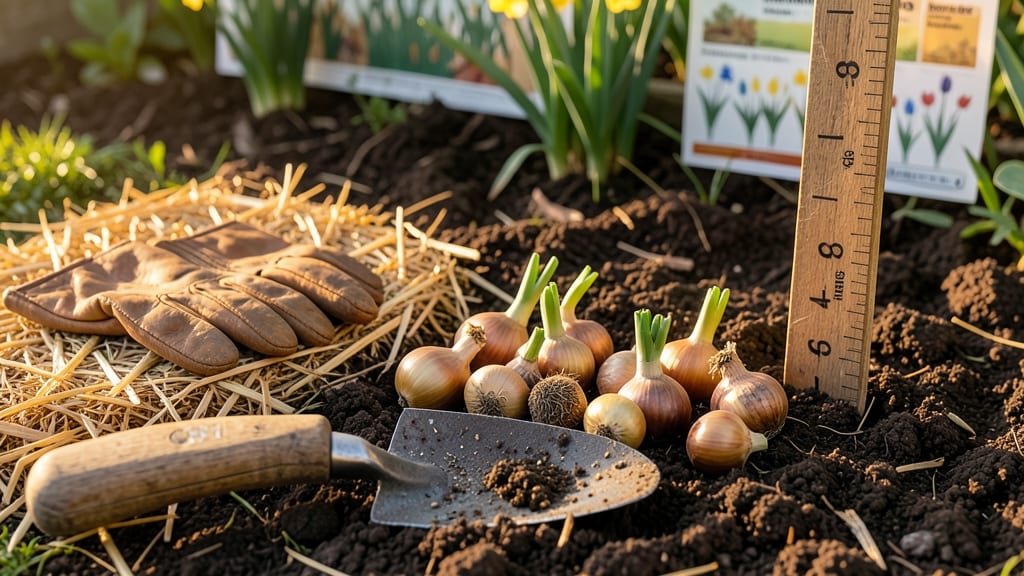
Timing your Bulbs (General) 🌱 planting in Zone 7b isn't just about luck—it's the key to unlocking vibrant blooms or watching your investment fade before it even begins.
Whether you're dreaming of tulips dancing in spring or daffodils brightening early mornings, getting the schedule right means the difference between a showstopper garden and a missed opportunity.
In Zone 7b, where frosts can sneak in as early as mid-November or linger until mid-April, planting too soon or too late throws off the delicate balance bulbs need to root before winter sets in. The sweet spot?
Aim for October through November for fall-planted varieties, or hold off until February to March for those spring bloomers that need a head start. But here's the catch: soil temperature and local microclimates can shift those windows by weeks.
I've seen gardeners in Zone 7b pull off stunning displays by following a simple rule: plant 6-8 weeks before the first hard frost for fall bulbs, and 4-6 weeks before the last frost for spring varieties.
That means digging in by early October for tulips and daffodils—or waiting until late winter for those late bloomers. The goal? Give your bulbs time to establish roots before the ground freezes solid.
Ready to turn your Zone 7b garden into a year-round blooming masterpiece? Let's break down the exact months, soil secrets, and pro tips to make your bulb planting foolproof—no guesswork, just guaranteed color. Your future spring garden will thank you.

Zone 7b bulb planting calendar: month-by-month guide for spring and fall
Zone 7b gardeners enjoy a moderate climate with last frost dates around April 15 and first frosts near November 15. This timing creates a perfect window for planting bulbs that bloom in both spring and fall.
The key is planting 6-8 weeks before frost for fall bloomers and 4-6 weeks before last frost for spring varieties.
Most spring-flowering bulbs like tulips, daffodils, and hyacinths need to be in the ground by mid-November to establish roots before winter. Meanwhile, summer-blooming bulbs such as dahlias and cannas go in after the last frost date, typically in late April or early May.
Here’s your Zone 7b bulb planting calendar with exact months, soil temperature thresholds, and frost risk factors to ensure success:
| Bulb Type | Ideal Planting Month | Soil Temp Threshold | Frost Risk | Notes |
|---|---|---|---|---|
| Spring Bloomers (Tulips, Daffodils, Hyacinths) | October - November | 50-60°F (10-15°C) | Low (after Nov 15) | Plant 6-8 weeks before frost |
| Fall Bloomers (Crocus, Snowdrops) | September - October | 60-70°F (15-21°C) | None (early season) | Plant early for winter blooms |
| Summer Bloomers (Dahlias, Canas) | April - May | 60°F+ (15°C+) | None (after last frost) | Wait until soil warms |
| Hardy Bulbs (Allium, Fritillaria) | October - November | 50°F (10°C) | Low (winter hardy) | Tolerate colder soils |
For Zone 7b gardeners, the best months to plant most bulbs are October and November. This timing ensures bulbs establish roots before winter dormancy. If you miss this window, early spring planting (February-March) is your second chance for spring bloomers like tulips and daffodils.
Adjust your schedule if your microclimate runs warmer or cooler. For example, urban areas may experience earlier frosts, while rural zones might stay frost-free longer. Always check your local frost dates for precision.
Pro tip: Use a soil thermometer to confirm 50-60°F soil temps before planting fall bulbs. This ensures roots develop before winter sets in. For tender bulbs like gladiolus, wait until after May 15 to avoid frost damage.
Remember, bulb depth matters! Plant most bulbs 6-8 inches deep (twice their height) for stability and protection. Exceptions include small crocus (3 inches deep) and large lilies (8-10 inches deep).
Zone 7b’s mild winters allow for year-round bulb care. After planting, add a 2-3 inch mulch layer to insulate bulbs and retain moisture. Remove mulch in early spring to encourage new growth.
🌱
5 Critical factors that determine perfect bulb planting times in Zone 7b
Timing your bulb planting in Zone 7b isn’t just about picking a month—it’s about understanding the hidden factors that make or break success. I’ve planted bulbs for over a decade in this zone, and these five variables always separate thriving gardens from disappointing ones.
Let’s dive into what truly matters beyond just the calendar.
First, soil temperature is your most critical guide. Bulbs like tulips and daffodils need soil temps between 40-50°F (4-10°C) to root properly before winter. Use a soil thermometer—don’t guess! Planting too early when soil is still warm (above 60°F/15°C) can trigger premature growth, which frost will kill.
Next, frost dates in Zone 7b create your planting window. The average first frost hits around November 15, so aim to plant most bulbs 6-8 weeks before that date.
For spring-blooming bulbs, this means October is ideal. But here’s the catch: microclimates matter—valleys frost earlier than hilltops, so adjust accordingly.
Zone 7b Bulb Planting Factors at a Glance
40-50°F (4-10°C) ideal for rooting
Plant 6-8 weeks before first frost (Nov 15 avg)
Zone 7b hardy: Tulips, Daffodils, Crocus
Well-draining soil prevents rot
Early spring planting for late bloomers
Don’t overlook bulb hardiness—not all varieties thrive equally in Zone 7b. Tulips and daffodils are rockstars here, but tender bulbs like dahlias need special care. If you’re planting summer-blooming bulbs (like gladiolas), wait until April after the last frost—they can’t handle winter’s chill.
Pro tip: Check the USDA hardiness zone rating on your bulb packaging.
Moisture levels often get overlooked, but soggy soil is a silent killer. Zone 7b’s clay-heavy soils (common in many areas) trap water, leading to bulb rot. Amend your soil with compost or sand to improve drainage. After planting, water deeply but avoid waterlogging—think of it as giving your bulbs a drink, not a bath.
Finally, seasonal adjustments can save your bulbs. If you’re in a warmer microclimate (like near a heat island), plant 2-3 weeks later than the average. For late-blooming varieties, consider early spring planting (February-March) to extend your bloom time.
And always mulch after planting—it insulates bulbs from freeze-thaw cycles that can damage emerging shoots.
Master these five factors, and you’ll transform your Zone 7b garden into a blooming paradise year after year. The key? Pay attention to your local conditions and adjust the general rules to fit your specific spot. Happy planting!