
Plants
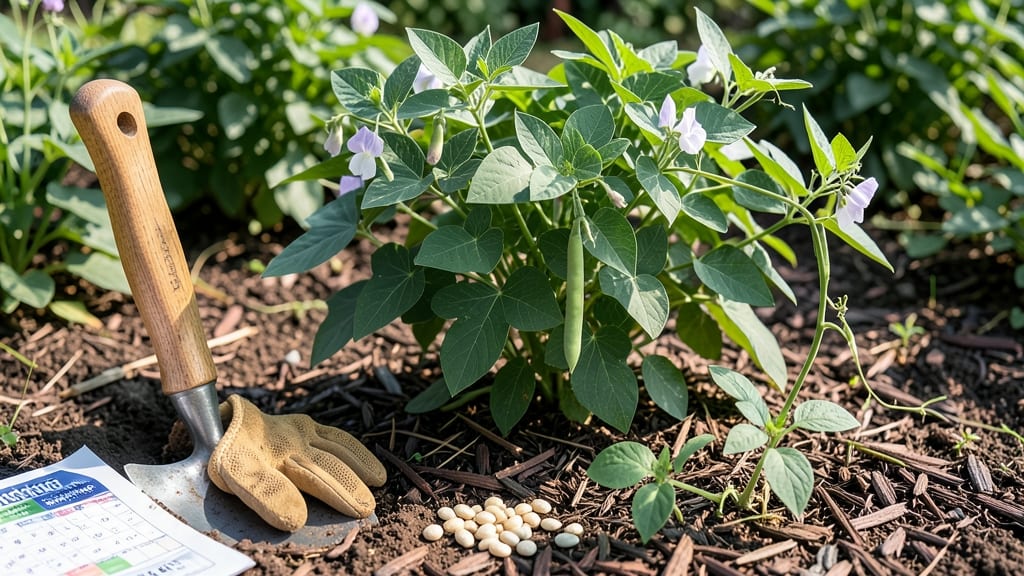
Timing your Butter Bean 🌱 planting in North Carolina could make or break your harvest—get it wrong, and you might be left with wilted vines instead of plump, creamy pods.
The key lies in waiting for that final frost to fade, but knowing exactly when to pull the trigger depends on whether you're in the Piedmont's warmer pockets or the Mountains' cooler valleys.
Most NC gardeners in zones 7a-8b should hold off until April or early May, once soil temperatures hit a steady 60°F. That's when those little seeds finally wake up from their winter nap, ready to climb and produce.
But here's the catch: Coastal areas might be planting by late March, while the higher elevations near Asheville should wait until mid-May to avoid surprise chills.
Why does this matter? Because Butter Beans are warm-season divas—they throw a fit if temperatures dip below 50°F at night. We're talking about a 75-90 day commitment from seed to harvest, so planting too early means stunted growth, and too late?
You'll miss your window entirely. Let me walk you through the perfect planting schedule for your specific corner of NC.
From soil prep to succession planting hacks, I'll cover everything you need to turn your garden into a Butter Bean powerhouse.
Whether you're a first-timer or a seasoned grower, these insights will help you avoid common pitfalls and maximize your yield—because nobody wants to wait another year for those delicious, buttery pods!
NC butter bean planting calendar by Zone (7a-8b)
Timing your butter bean planting in North Carolina depends heavily on your USDA zone and last frost dates. Butter beans are warm-season crops that won’t tolerate frost, so planting too early can stall growth or kill seedlings entirely.
Let’s break down the ideal planting windows for each zone, including soil temperature requirements and regional frost averages.
North Carolina spans zones 7a through 8b, with frost dates ranging from mid-March in the Coastal Plain to mid-April in the Mountains. For butter beans, you’ll want to plant after the last frost date and when soil temperatures consistently reach 60°F or higher.
This typically means waiting until April to early May in most regions.
Here’s a quick reference for your zone:
| Zone | Last Frost Date | Ideal Planting Window | Soil Temp Requirement | Regional Example |
|---|---|---|---|---|
| 7a | Mid-April | Late April to early May | 60°F+ | Asheville, Boone |
| 7b | Early April | Mid-April to early May | 60°F+ | Raleigh, Greensboro |
| 8a | Late March | Early April to mid-May | 60°F+ | Charlotte, Fayetteville |
| 8b | Early March | Late March to early June | 60°F+ | Wilmington, Outer Banks |
For Zone 7a (like Asheville), wait until late April to plant butter beans, as frost can linger into early May. In Zone 8b (Coastal NC), you can start as early as late March, but monitor soil temperatures closely.
If you’re unsure about your last frost date, check the NC State Extension’s frost calendar for your specific county.
Butter beans also thrive with warm soil, so avoid planting in cold, damp ground. Use a soil thermometer to confirm temperatures are above 60°F before sowing seeds. If your soil is still cool, consider using black plastic mulch to warm it up faster.
In Zone 8b, you can even extend your planting season into early June for a late-summer harvest. This works because the longer growing season allows you to plant after the initial frost-free window.
Just be sure to choose heat-tolerant varieties like ‘Crimson Butterbean’ or ‘White Butterbean’ for better success in hotter months.
One common mistake is planting butter beans too early in Zone 7a or 7b. If you’re eager to start, consider sowing seeds indoors in biodegradable pots 4-6 weeks before your last frost date.
Transplant seedlings outdoors once soil temperatures warm up, but be prepared to protect them with row covers if late frosts occur.
For Coastal NC (Zone 8b), you might also try succession planting every 2-3 weeks from April through June. This ensures a steady supply of fresh pods throughout the summer. Just space your plantings 18-24 inches apart to avoid overcrowding, which can lead to fewer pods and disease issues.
Always remember: butter beans hate cold. If you plant them too early and a late frost hits, your seedlings could die back or produce stunted growth. When in doubt, wait until the soil is warm and the air temperature stays above 50°F at night.
🌱
How to extend your butter bean season in NC (cold frames, succession planting)
Butter beans love warmth, but NC’s short growing season can limit your harvest. The key to a longer harvest window is strategic planting—whether you’re pushing the season earlier with cold frames or staggering plantings for continuous pods. I’ve tested these methods in my Zone 7b garden, and they’ve extended my butter bean season by up to 6 weeks! For early starts, cold frames or row covers create a microclimate that protects tender seedlings from late frosts. In Zone 8b, you might even squeeze in a second planting by choosing heat-tolerant varieties like ‘Contender’ or ‘Purple Hull’. The trick is balancing soil warmth with air temperature—butter beans won’t germinate well in cold soil, even if the air is warm.Pro Tip: Use a soil thermometer to confirm temperatures hit 60°F+ before planting. In cooler zones like Asheville (Zone 7a), wait until mid-May for cold-frame starts, while Coastal NC (Zone 8b) gardeners can plant as early as late March under protection.
🌱
📅 3 Ways to Extend Your Butter Bean Season
Sow seeds 4-6 weeks before last frost (e.g., mid-March in Raleigh). Use a clear plastic cold frame to trap heat. Remove frames when soil warms to 55°F and nights stay above 45°F.
Plant new seeds every 2-3 weeks from April to June. In Zone 8b, a second planting in early July can yield pods before frost. Space rows to stagger maturity.
Choose ‘Purple Hull’ or ‘Crimson Red’ for late-season heat. These varieties handle 90°F+ temps better than standard butter beans. Plant late May-June for a fall harvest.
Use floating row covers to shield plants from light frosts (28-32°F). Remove covers when flowers appear to allow pollination. Works for early April or late September plantings.
Butter beans need consistent warmth to thrive, so avoid rushing—cold soil delays germination. If you’re in Zone 7a, stick to one cold-frame batch and succession plantings in May.
In Zone 8b, you can push it further with row covers and heat-tolerant seeds, but always monitor soil temps—they’re the real indicator of readiness.
💧
For late-season success, focus on watering deeply (1 inch per week) and mulching to retain soil warmth. In my garden, straw mulch kept roots 10°F warmer during cool nights, helping pods mature faster.
And if you’re experimenting with container growing, use black pots to absorb heat—my butter beans in 5-gallon buckets stayed 3-5°F warmer than in-ground plants!
✂️
Final Tip: Keep an eye on pod development—if nights dip below 50°F, pods may stop growing. In Zone 7a, I’ve had luck using wall-o-water heat sinks near plants to add 2-3°F of warmth during chilly spells. It’s a small effort for a longer harvest window!