
Plants
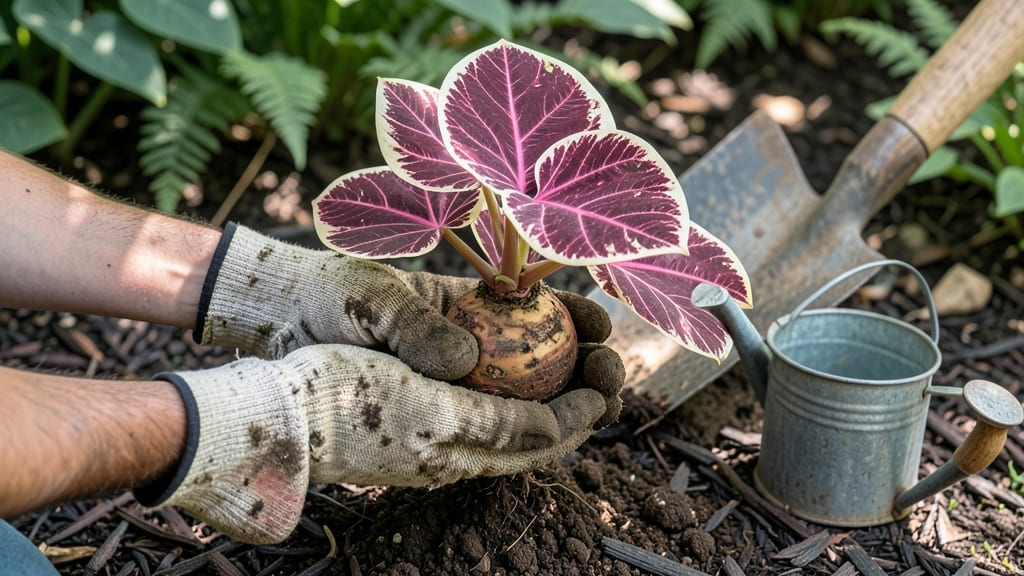
Planting caladium bulbs in Florida at the wrong time can leave you with wilted leaves instead of the vibrant foliage you crave. The key to stunning, heat-resistant growth lies in understanding your region’s unique climate—whether you’re in North or South Florida, timing matters more than you think.
Most Florida gardeners wait until March or April, after the last frost has passed and soil temperatures hit 70°F+. But even then, rushing can backfire—especially in areas where summer heat arrives early. I’ll show you exactly how to align your planting schedule with Florida’s microclimates for foolproof results.
You’ll also discover how to prep your soil for success, avoid common mistakes like overwatering or scorching leaves, and extend your caladium’s showstopping display through the summer. Let’s get those 🌿 caladium bulbs in the ground the right way.
Ready to transform your garden with bold, tropical foliage? The perfect planting window is closer than you think—and I’ll walk you through every step to make it happen.
Optimal planting windows for caladium bulbs in Florida’s climate zones
Timing your caladium bulb planting in Florida is all about avoiding frost risk while capitalizing on the state’s warm soil temperatures. Unlike northern climates, Florida’s USDA Zones 9a-11 offer extended growing seasons—but regional differences matter. North Florida’s cooler winters demand earlier planting, while South Florida’s near-tropical conditions allow flexibility.
Your primary goal is to plant when soil temperatures consistently reach 65°F+. This threshold ensures roots establish before summer’s intense heat arrives. In most of Florida, this window opens in late March to early April, but microclimates shift these dates by weeks.
For North Florida (Panhandle to Orlando), aim for mid-March after the last frost date (typically January 15-February 1). Areas like Gainesville or Tallahassee may need to wait until late March due to colder pockets. Use a soil thermometer to confirm readiness—don’t rely on air temperature alone.
Central Florida (Orlando to Tampa) enjoys the most predictable schedule: early to mid-April. This region’s warmer nights and longer frost-free periods give you a 3-week buffer to plant without stress. Even a light frost can damage emerging shoots, so monitor local forecasts.
South Florida (Miami to Key West) has the luxury of planting as early as February or even January in coastal zones. The absence of frost means you can focus on soil moisture and heat acclimation rather than frost dates. However, avoid planting too early—soil may still be cool from winter rains.
| Region | Ideal Planting Window | Soil Temp Threshold | Key Risk |
|---|---|---|---|
| North Florida (Panhandle-Orlando) | Mid-March to Late March | 65°F+ | Late frosts (Jan-Feb) |
| Central Florida (Orlando-Tampa) | Early to Mid-April | 65°F+ | Heatwaves in May |
| South Florida (Miami-Key West) | February to Early March | 60°F+ (earlier) | Hurricane season prep |
If you miss the primary window, don’t panic—caladiums tolerate late spring planting (up to May in North Florida) as long as you mulch heavily to retain moisture.
However, planting after June risks leaf scorch from summer’s brutal sun. For container gardening, you can extend windows slightly by using black plastic mulch to warm soil faster.
Pro tip: Pre-sprout bulbs indoors 4-6 weeks before your target planting date. Place them in moist peat moss at 70°F and watch for green shoots. This head start compensates for delayed outdoor conditions, especially in cooler microclimates like the Florida Keys’ higher elevations.
Always plant caladium bulbs 2-3 inches deep in well-draining soil with partial shade. In Florida’s heat, morning sun is ideal—afternoon rays will bleach vibrant foliage. Pair your planting with a 2-inch layer of mulch to lock in moisture and regulate temperature.
Remember: Florida’s humidity and rainfall patterns mean you’ll need to adjust watering post-planting. Aim for 1 inch of water weekly, but reduce frequency if rains are frequent. Overwatering in poorly drained soil causes rot—caladiums hate soggy roots.
Optimal planting windows for caladium bulbs in Florida’s climate zones
Florida’s climate varies dramatically from North to South, making planting timing critical for caladium success. In North Florida (Zones 8a-9a), wait until mid-April after the last frost—typically around April 15.
Central Florida (Zone 9b) can start as early as late March, while South Florida (Zones 10a-11) enjoys a longer window from February to May. Always check your local frost-free date to avoid cold damage.
Soil temperature is your best guide: plant when it reaches 65°F+ at 2-inch depth. Use a soil thermometer to confirm. Caladiums thrive in warm soil, and planting too early can stunt growth or invite root rot.
In North Florida, a late April start ensures roots establish before summer heat peaks.
🌱
📋 Florida Caladium Planting Timeline
| Region | Best Planting Window | Soil Temp Requirement | Key Consideration |
|---|---|---|---|
| North Florida | Mid-April to early May | 65°F+ | Wait for last frost (avg. April 15) |
| Central Florida | Late March to April | 65°F+ | Adjust for microclimates (e.g., inland vs. coast) |
| South Florida | February to May | 60°F+ (earlier starts possible) | Frost risk negligible; prioritize heat tolerance |
💡 Pro Tip: In North Florida, consider container planting for earlier starts—move pots indoors if nights dip below 50°F.
Extreme heat can stress caladiums, so avoid planting during peak summer months (June-August). Instead, opt for late spring or early fall in South Florida. If you’re in a hot microclimate, choose heat-tolerant varieties like ‘White Queen’ or ‘Candidum’—they handle 90°F+ better than delicate types.
For container growers, potting mix temperature matters just as much as soil. Let potting mix warm to 70°F+ before planting. Use black plastic pots to absorb heat faster, or pre-warm mixes in a sunny spot for 24 hours before transplanting bulbs.
🌡️
Watch for local heatwaves after planting. If temperatures spike above 95°F within a week, provide afternoon shade with frost cloth or lattice screens. Mulch with straw or pine needles to keep roots cool—this mimics their tropical forest habitat.