
Plants
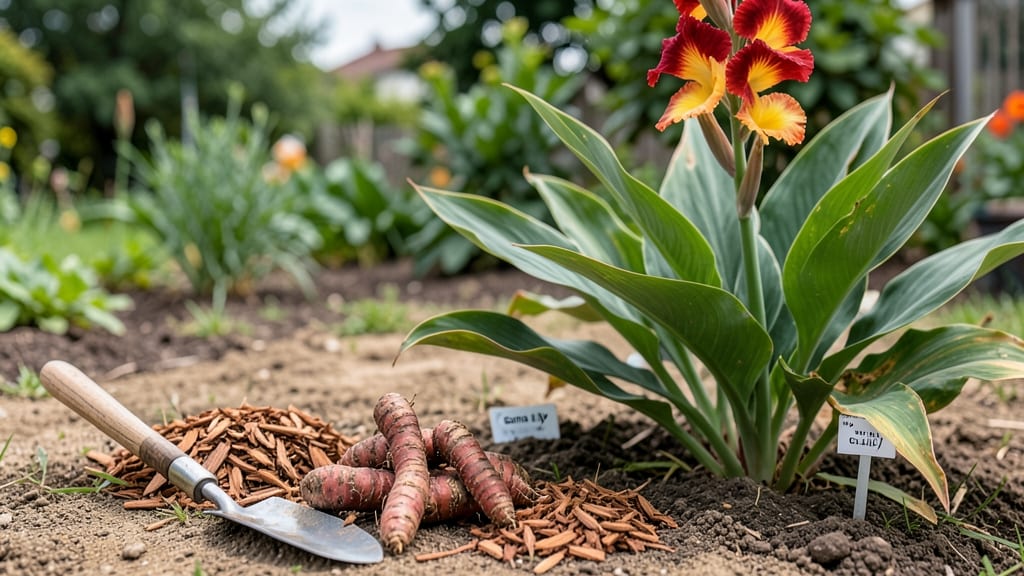
Planting canna bulbs at the wrong time in Illinois could mean the difference between stunning 🌺 canna blooms and a garden full of disappointment.
With frost dates varying from Zone 5b in northern Illinois to Zone 6b in the south, timing isn't just about the calendar—it's about understanding your local microclimate.
Most Illinois gardeners wait until after the last frost, typically between late April and early May, but soil temperature matters just as much. Canna rhizomes need at least 60°F soil to thrive, and rushing the process can stunt growth or invite frost damage.
Let me show you how to check soil readiness and avoid common planting mistakes.
Whether you're in Chicago or St. Louis, we'll break down the exact planting windows for your zone, plus how to adjust for urban heat islands or late-spring frosts. You'll also discover whether cannas behave as annuals or perennials in Illinois—and how to care for them once they're in the ground.
By the end, you'll know exactly when to plant, how deep to bury those rhizomes, and what to watch for to ensure your cannas grow tall, strong, and full of vibrant blooms all summer long.
Illinois frost zones and ideal canna planting dates by month
Canna bulbs (rhizomes) thrive in Illinois’ warm summers, but their planting window depends on your USDA zone and last frost date. Northern Illinois (Zone 5b) typically waits until mid-to-late May, while southern Illinois (Zone 6b) can start as early as late April.
The key is waiting until soil temperatures hit 60°F+—cannas despise cold soil.
Illinois’ average last frost dates range from April 15 in southern Illinois to May 15 in northern areas. However, frost can linger, so don’t rush! Use a soil thermometer to confirm readiness—cannas won’t sprout until the ground warms up. Planting too early risks frost damage or slow, stunted growth.
Here’s your month-by-month cheat sheet for Illinois canna planting:
| Zone | Last Frost Date | Ideal Planting Window | Soil Temp Requirement | Notes |
|---|---|---|---|---|
| Northern IL (Zone 5b) | May 1-15 | Late May to early June | 60°F+ | Wait for consistent warmth; use row covers if frost threatens. |
| Central IL (Zone 5b-6a) | April 20-May 5 | Early to mid-May | 60°F+ | Plant after dandelions bloom—nature’s soil thermometer! |
| Southern IL (Zone 6b) | April 1-15 | Late April to early May | 60°F+ | Earliest zone—start by Mother’s Day for best results. |
For container gardening, you can plant 2-4 weeks earlier since pots warm faster. Just ensure your container has drainage holes—cannas hate soggy roots. If you miss the spring window, don’t worry!
Cannas tolerate late summer planting (June) as long as soil is warm, though blooms may arrive later in the season.
Pro tip: Pre-warm your soil in cooler zones by covering beds with black plastic for 1-2 weeks before planting. This mimics southern Illinois’ natural warmth and jumpstarts growth. Just remove the plastic 24 hours before planting to avoid shocking the rhizomes.
Cannas are tender perennials in Illinois, meaning they’ll die back in winter but can be dug up and stored indoors if you want to reuse them next year. However, most gardeners treat them as annuals for simplicity, especially in colder northern zones where winter survival is unlikely.
Once planted, mulch heavily (3-4 inches) to retain moisture and regulate soil temperature. This is especially critical in drought-prone summers or late-spring frosts. Mulch also suppresses weeds, giving your cannas a competitive edge for nutrients.
Remember: Canna rhizomes are not true bulbs—they’re thick, fleshy roots that store energy. Plant them eyes-up (the growing tip facing upward) and 2-4 inches deep. Over-planting leads to crowded, leggy growth, while planting too shallow risks exposure to frost.
For maximum blooms, choose a sunny, sheltered spot protected from strong winds. Cannas love heat but appreciate afternoon shade in southern Illinois’ intense summer sun. Pair them with tall grasses or ornamental millet for a dramatic, tropical look that thrives in Illinois’ humid summers.
Signs your Illinois soil is ready for canna bulbs (beyond the calendar)
Don't rely solely on the calendar when planting canna bulbs in Illinois. Soil temperature and moisture levels are just as critical, especially in our unpredictable spring weather.
The ideal soil temperature for canna rhizomes is 60°F or warmer, but how do you know when your soil hits that mark without a fancy thermometer?
First, watch for natural indicators like sprouting dandelions or thawed ground. These plants are early spring pioneers and signal that soil conditions are warming up. If you see them pushing through the soil, it's likely safe to plant cannas in most of Illinois.
For a more precise check, use a soil thermometer—they're affordable and save you from guessing. Stick it into the soil about 2-3 inches deep in the morning (soil temps fluctuate throughout the day).
If it consistently reads 60°F or above for a few days, your cannas are ready to go in the ground.
🌱 Key Soil Readiness Indicators for Canna Planting
- Soil Temperature: 60°F+ at 2-3" depth (use a thermometer)
- Natural Sprouts: Dandelions, crocus, or other early bloomers emerging
- Ground Condition: Soil is workable (not muddy) and thawed
- Moisture Level: Soil drains well but holds moisture (not waterlogged)
- Last Frost: At least 2 weeks have passed since your area's average last frost date
Another trick is the "squeeze test" for moisture. Grab a handful of soil—if it crumbles easily when dry but holds shape when wet, your soil is ready.
Overly wet soil can lead to root rot, while bone-dry soil will stunt growth. Aim for soil that feels like a slightly damp sponge.
If you're still unsure, opt for container planting. Containers warm up faster than ground soil, giving you a head start. Just ensure your pots have drainage holes and use a high-quality potting mix. This method works especially well in northern Illinois where springs can be cooler.
Pro tip: Plant your cannas in black pots if using containers—they absorb heat and warm up faster than traditional pots. This can give you an extra 1-2 weeks of growing time in cooler areas. Just be sure to harden off your plants before moving them outdoors permanently.