
Plants
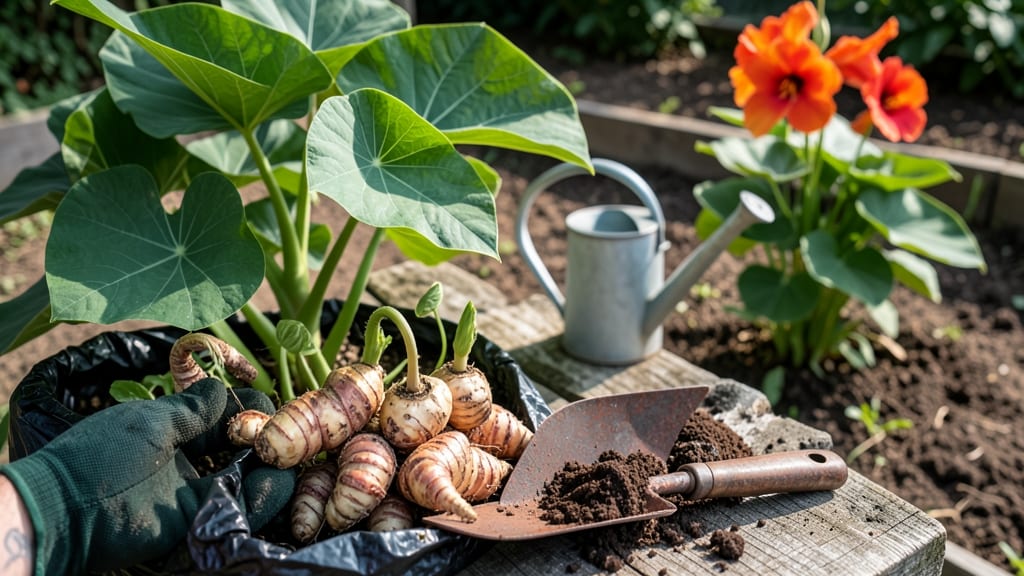
Planting Canna Lily bulbs in Texas isn’t just about avoiding frost—it’s about catching the perfect window when your soil warms up and the risk of late freezes vanishes.
Get this timing wrong, and you’ll either watch your tropical blooms 🌺 freeze out or struggle with stunted growth when summer heat arrives.
Texas gardeners know the stakes: plant too early in North Texas (Zone 8a), and a surprise frost could wipe out your 3-foot-tall cannas before they even bloom. But wait too long, and you’ll miss the peak flowering season from June to October.
The solution? A heat-zone-specific timeline that accounts for everything from Houston’s humidity to West Texas’ dry heat.
I’ll walk you through the exact months to plant in your region—whether you’re in South Texas (where February starts are safe) or North Texas (where you should wait until late April).
Plus, I’ll share the hidden clues your soil and climate give you to plant at the ideal moment, so your cannas burst into color faster and last all summer.
Ready to transform your garden into a lush, tropical paradise? Let’s dive into the step-by-step guide that’ll have your Canna Lilies thriving—no frost, no guesswork, just stunning blooms from June through October.
Texas heat zones & ideal canna bulbs planting dates by month
Texas spans 12 heat zones (A1–B3), meaning your canna bulbs planting window varies wildly—from February in South Texas to late April in North Texas. The key?
Planting after your last frost date and when soil warms to 60°F+. Here’s your heat-zone breakdown for zero frost risk and summer-long blooms.
In Zone A1 (Pecos, El Paso), wait until mid-April—frost lingers until March 15. Meanwhile, Zone B3 (Houston, Galveston) can start as early as February 15. The difference? 6+ weeks in planting timing across the state! Use this table to pinpoint your exact window.
Pro Tip: If you’re in Zone A2 (Amarillo, Lubbock), consider container-growing for extra protection—these areas see hard freezes into April. For most Texans, though, March–May is your sweet spot.
| Heat Zone | Last Frost Date | Ideal Planting Month | Soil Temp Goal | Bloom Window |
|---|---|---|---|---|
| A1 (El Paso, Pecos) | March 15 | Mid-April | 60°F+ | June–October |
| A2 (Amarillo, Lubbock) | March 30 | Late April | 60°F+ | June–September |
| B1 (Abilene, Waco) | March 1 | Early April | 60°F+ | May–October |
| B2 (Dallas, Austin) | February 28 | March 15 | 60°F+ | May–November |
| B3 (Houston, Galveston) | February 15 | February 28 | 60°F+ | April–December |
Notice how South Texas (B3) enjoys a 10-month bloom window? That’s because warmer winters let cannas thrive year-round. In contrast, North Texas (A1–A2) gardeners must dig up tubers by November to avoid frost damage.
For container gardeners, you can push planting 2–4 weeks earlier by moving pots indoors during cool snaps. Just ensure your bulbs stay above 50°F—cannas hate chilly roots.
If you’re in Zone B2 (Dallas/Fort Worth), aim for March 15 planting. By May 1, your cannas will be 3–4 feet tall and ready to dominate your summer borders. The earlier you plant, the longer your bloom season!
One critical exception: West Texas (A1–A2) has dry heat and low humidity. Here, mulch heavily to retain moisture—cannas need consistent water to avoid leaf scorch.
For Houston gardeners (B3), you can even plant cannas in December if you’re extending the season with row covers. Just monitor humidity—too much can trigger fungal diseases like leaf spot
Signs your Texas climate is ready for canna bulbs (beyond the calendar)
Texas’ variable microclimates mean your last frost date isn’t the only factor. Soil temperature and local heat patterns (like urban heat islands) can signal it’s actually safe to plant—often 2-3 weeks earlier than official frost charts suggest. Here’s how to read your garden’s cues.
First, check soil warmth with a soil thermometer—cannas thrive when soil reaches 65°F+. In North Texas, this typically aligns with mid-April, while South Texas may hit it by late February. Pro tip: Black plastic mulch warms soil faster in cooler zones.
Next, observe local humidity and rainfall patterns. Houston’s high humidity speeds up growth, so you can plant 1-2 weeks earlier than West Texas, where dry air slows sprouting. Morning dew without frost? A good sign your microclimate is ready.
🌱 Urban gardeners should note: Pavement and buildings create heat islands, making city soils 5-10°F warmer than rural areas. Test soil in your exact planting spot—not just your yard’s general conditions.
⚠️ Warning: False Signals
Don’t rely on warm daytime temps alone—nighttime lows below 50°F can still damage canna bulbs. Check 3-day forecasts for consistent warmth before planting.
🌡️ Texas Tip: If your thermometer shows 60°F+ soil temps at 10 AM for 3 days straight, it’s likely safe to plant—even if frost warnings linger.
For container growers, use heat-mat trays to jumpstart bulbs 4-6 weeks early. Place containers in south-facing spots where they absorb reflected heat from walls or fences. Black pots absorb more sunlight than white or red.
Finally, watch your neighbors’ plants. If coleus or impatiens (both frost-sensitive) are already thriving in your area, your canna bulbs are ready. These tropical indicators grow faster than cannas and signal safe conditions.
Once you’ve confirmed soil warmth, humidity patterns, and microclimate safety, it’s time to prep your bulbs. Soak them in lukewarm water for 12 hours to kickstart root growth—especially critical in Texas’ dry spring soils. ☀️