
Plants
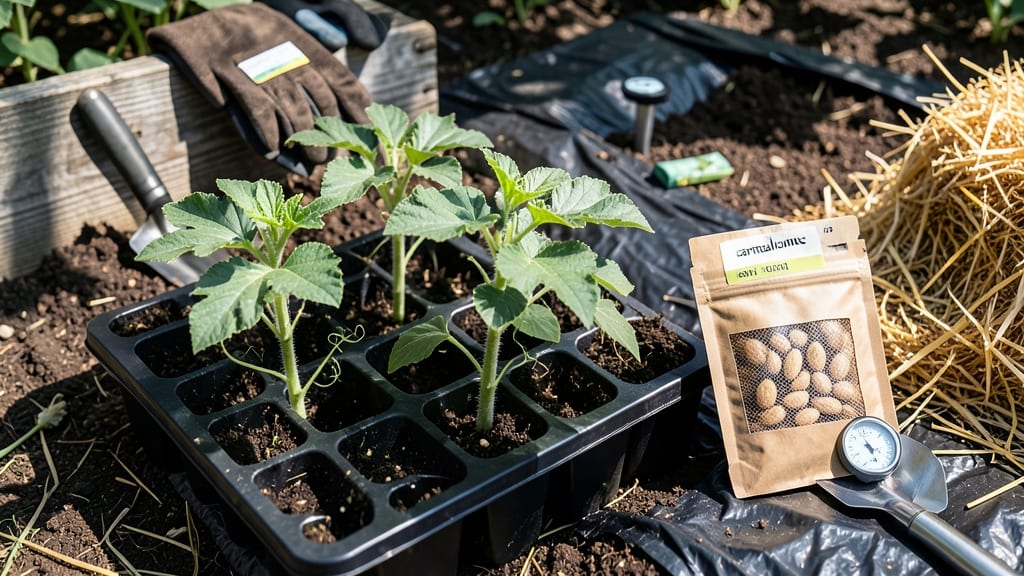
Planting cantaloupe in Arizona isn’t just about timing—it’s about outsmarting the desert’s brutal heat and unpredictable monsoons. With soil temperatures soaring above 90°F by spring, your cantaloupe 🍈 vines need the perfect window to thrive before the summer sun becomes too intense.
Most gardeners in USDA Zone 9b wait until late February or early March, when nighttime temps stay above 60°F and soil reaches that critical 70°F mark. But here’s the catch: planting too early risks frost-sensitive seedlings, while waiting too long shrinks your harvest window before the monsoon rains arrive.
In this guide, I’ll break down the exact 30-day window that works for Arizona’s high desert and low desert climates, plus which heat-resistant varieties actually perform. Spoiler: it’s not just about the calendar—it’s about soil warmth, shade strategies, and monsoon prep.
Ready to grow cantaloupes that beat the heat? Let’s dive into the heat-proof planting schedule and varieties that’ll make your garden the talk of the neighborhood.
Optimal planting schedule for Arizona cantaloupe: soil temps & monsoon sync
Arizona’s frost-free climate and intense heat create a unique window for cantaloupe planting. Unlike northern states, you won’t worry about frost, but soil temperature and monsoon timing become your critical benchmarks.
Plant too early, and your seedlings will languish in cool soil; too late, and you’ll miss the peak harvest window before summer’s worst heat arrives.
The ideal soil temperature for cantaloupe germination is 70°F or higher. In Arizona’s low desert (Phoenix, Tucson), this typically occurs in mid-to-late February, while high desert areas (Flagstaff, Prescott) may wait until late March or early April.
Use a soil thermometer to confirm—this tool is your garden’s best friend in the desert.
Arizona’s monsoon season (July-August) brings much-needed moisture, but it’s not too late to plant cantaloupe. For a fall crop, aim for late June to early July when daytime highs begin to dip slightly.
This second planting window can yield fruit just as the monsoons ramp up, providing consistent soil moisture without the extreme heat of July.
Key microclimate differences matter in Arizona. Low desert areas like Phoenix and Tucson can plant 2-3 weeks earlier than high desert regions. For example, Yuma’s year-round growing potential allows for winter cantaloupe production, while Flagstaff gardeners must wait until soil warms in spring. Always check your local USDA Zone 9b guidelines and adjust for elevation.
| Region | Best Planting Window | Soil Temp Threshold | Harvest Window | Monsoon Prep |
|---|---|---|---|---|
| Low Desert (Phoenix, Tucson) | Mid-February to March | 70°F+ | May to early July | Pre-monsoon irrigation |
| High Desert (Flagstaff, Prescott) | Late March to April | 70°F+ | June to August | Shade cloth for seedlings |
| Yuma (Year-Round) | January to February (winter crop) | 65°F+ | March to April | Drip irrigation essential |
| Fall Crop (Statewide) | Late June to early July | 70°F+ | August to September | Mulch to retain moisture |
For direct sowing (the preferred method for cantaloupe), wait until all danger of cool night temperatures has passed. Seedlings are extremely sensitive to cold soil, so avoid planting before March 15th in most of Arizona.
If you’re eager to start early, use biodegradable pots and transplant seedlings after soil warms, but be prepared for slower initial growth.
Another pro tip: Use black plastic mulch to warm soil faster. This technique can shave 2-3 weeks off your planting timeline by raising soil temperatures by 5-10°F.
Just be sure to remove it once vines start spreading to prevent overheating. For organic gardeners, straw mulch is a great alternative that also suppresses weeds.
Timing isn’t just about the calendar—it’s about reading your garden’s cues. Watch for leaf curl or yellowing in your seedlings, which are heat stress signals. If you see these, provide light shade cloth (30-50% coverage) until plants acclimate.
In Arizona’s 110°F+ summers, even mature cantaloupe vines need protection during the hottest afternoon hours.
Don’t forget about pollination. Cantaloupe relies on bees and other pollinators, so time your planting to coincide with peak blooming periods. In Arizona, this typically means April to June for spring crops and July to August for fall plantings.
If you notice poor fruit set, hand-pollinate flowers using a small paintbrush to transfer pollen from male to female blooms.
Finally, plan your harvest window carefully. Cantaloupe needs 75-90 days to mature, so if you plant in mid-March, expect harvests in late May to June. For a second crop, aim for late June planting with harvests in August-September, just as monsoon rains begin to taper off.
This timing ensures you beat the worst heat while still enjoying fresh, homegrown cantaloupe.
Optimal planting schedule for Arizona cantaloupe: soil temps & monsoon sync
Arizona’s frost-free winters and intense summers create a unique window for cantaloupe—just 60-90 days to grow from seed to harvest. The key? Planting when soil temps hit 70°F+ and aligning with the monsoon season (July-August) for natural irrigation. Skip the spring rush—your vines will struggle in 90°F+ heat without prep.
In low desert areas like Phoenix and Tucson (USDA Zone 9b-10a), aim for mid-March to early April plantings. High desert regions like Flagstaff (Zone 7a) can start late April to May when nights stay above 60°F.
The goal? Beat the peak summer heat while leveraging monsoon moisture for fruit development.
| Region | Soil Temp Threshold | Planting Window | Monsoon Prep |
|---|---|---|---|
| Phoenix/Tucson | 70°F+ | Mid-March to early April | Install shade cloth by June |
| Flagstaff | 65°F+ | Late April to May | Use black plastic mulch |
| Sedona | 68°F+ | Early April | Drip irrigation setup |
For a fall harvest, try late summer plantings (August-September) in cooler high-desert areas. Use row covers to protect seedlings from scorching afternoon sun while keeping soil moist. Test soil temps with a soil thermometer—cantaloupe roots need warmth to thrive, but above 95°F stresses plants.
Pro tip: Direct-sow seeds after your last frost date (even if it’s December in Phoenix!). Transplants struggle with root shock in Arizona’s heat. Space seeds 12 inches apart in hills, with 5 feet between hills for vine sprawl. Use black plastic mulch to warm soil faster and suppress weeds.
Timing your cantaloupe isn’t just about the calendar—it’s about microclimates. A shady north side of your yard may stay cooler than a south-facing raised bed. Monitor 7-day forecasts for heatwaves; if temps dip below 60°F at night, cover vines with frost cloth to prevent blossom drop.
Harvest your cantaloupes before monsoon rains (typically by late July). Overripe fruit splits easily in Arizona’s humidity. Aim for 75 days to maturity—any longer risks powdery mildew from monsoon moisture. Save seeds from your best fruit for next year’s early March plantings!