
Plants
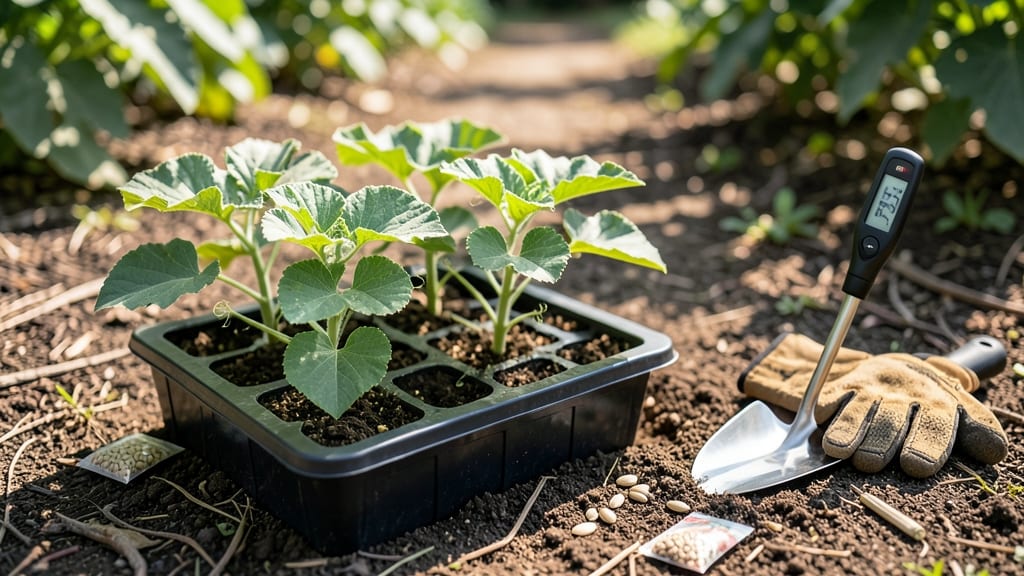
If you're wondering when to plant cantaloupe in Arkansas, timing is the secret ingredient to a bountiful harvest. The 🍈 thrives in the state's warm climate, but getting it in the ground too early risks frost damage, while planting too late means struggling vines in Arkansas's sweltering summers.
For gardeners in USDA zones 7a-8b, the ideal window runs from mid-April through early June—when soil temperatures consistently hit 70°F and frost danger has passed. This gives your melons plenty of time to mature before Arkansas's summer heat peaks in July.
Northern Arkansas gardeners should aim for late April or early May, while southern regions can start as early as mid-April. The key is watching for those last frost dates, which typically fall around mid-March but can vary yearly.
I'll walk you through the exact planting timeline, soil prep tips, and how to extend your growing season—so you can enjoy homegrown cantaloupe from July through September without the guesswork. Let's get your garden ready!
Arkansas cantaloupe planting calendar: frost dates, soil temps & heat-zone breakdown
Arkansas's USDA Zones 7a-8b create a unique challenge for cantaloupe growers—late spring frosts in the Ozarks can delay planting while the Delta's humidity demands early soil warming.
The University of Arkansas Extension recommends waiting until soil temps hit 70°F+ and all frost risk has passed, typically mid-April to early June depending on your region.
Northern Arkansas (Zones 7a) faces higher frost risk until April 15, while southern areas (Zones 8a) can start as early as late March. The key is monitoring minimum nighttime temps—cantaloupes won't survive below 50°F.
Use a soil thermometer to verify readiness, as Arkansas's clay-heavy soils warm slower than sandy regions.
Here’s your region-specific planting timeline with critical frost-free benchmarks:
| Region | Last Frost Date | Ideal Planting Window | Soil Temp Threshold | Notes |
|---|---|---|---|---|
| Northern Arkansas (Zones 7a) | April 15 | Mid-April to May 1 | 70°F+ | Use black plastic mulch to warm soil faster. |
| Central Arkansas (Zones 7b) | April 1 | Late March to early May | 70°F+ | Row covers can extend window to March 15. |
| Southern Arkansas (Zones 8a) | March 15 | Late March to April 15 | 68°F+ | Humidity increases disease risk; space vines well. |
For northern Arkansas, aim for May 1 as your last planting date to ensure 90-day maturity before first frost. In southern Arkansas, you can push to June 1 for a late-summer harvest, but expect smaller yields due to July heat stress.
Always choose heat-tolerant varieties like 'Athena' or 'Hale’s Best' for Arkansas’s 90°F+ summers.
Pro tip: Test your soil 2 weeks before planting—Arkansas’s clay soils often need compost or sand to improve drainage. A pH of 6.0–6.8 is ideal for cantaloupe uptake of magnesium and calcium, preventing blossom-end rot.
If you’re in Zone 7a, consider staggered plantings every 2 weeks from April 15 to May 1 to extend your harvest window. This succession planting strategy ensures you’re not overwhelmed with fruit all at once and maximizes your July–September harvest.
Watch for false springs—Arkansas’s unpredictable weather can bring late frosts even after April 15. Use frost cloth or row covers for early starts, but remove them by May 1 to avoid heat buildup.
For container growing, start seeds 4–6 weeks before your last frost date and transplant after soil warms. Containers dry out faster, so water daily and use self-watering pots to prevent blossom drop.
Remember: Cantaloupes need heat—planting too early leads to poor pollination and small fruit. Once your vines hit 70°F soil, they’ll bolt quickly, so have your trellis or cages ready to support 3–4 foot vines.
How to extend Arkansas cantaloupe season: cold frames, row covers & succession planting
Arkansas’s short growing season can feel like a race against time for cantaloupe lovers. But with the right tools, you can push harvests earlier or stagger plantings to beat the July heat.
I’ve tested these strategies in my own garden—some work better than others, especially in Arkansas’s clay-heavy soils and humid summers.
Cold frames and row covers are game-changers for March starts, while succession planting ensures a steady supply through August. The key? Balancing warmth with airflow to avoid fungal diseases like powdery mildew, which thrives in Arkansas’s 90°F+ afternoons.
Here’s how I extend my cantaloupe season—with pros and cons for each method so you can pick what works best for your Arkansas microclimate:
🌱 Extending Cantaloupe Season: Pros & Cons
Cold Frames
- Pros: Warms soil 10–15°F faster, extends season by 3–4 weeks
- Cons: Requires daily monitoring to avoid overheating
Row Covers
- Pros: Protects from late frosts, easy to remove when warm
- Cons: Reduces pollination if not removed for bees
Succession Planting
- Pros: 2–3 harvest waves per season, avoids heat stress
- Cons: Needs extra space for staggered rows
Black Plastic Mulch
- Pros: Speeds soil warming to 70°F+ in 7–10 days
- Cons: Can overheat roots in 100°F+ weather
For early starts, I swear by low tunnels with row covers—they let me plant cantaloupe seeds in late March in my USDA Zone 7b garden. Just remove the covers by mid-April to let bees pollinate.
In the Arkansas Delta, where heat hits earlier, I opt for succession planting every 2 weeks from April to early June.
Mulching is non-negotiable in Arkansas’s clay soil. I use straw mulch (organic) for moisture retention and black plastic (synthetic) for faster soil warming. The plastic wins for speed, but the straw keeps soil cooler during July heatwaves—critical for preventing blossom drop.
Pro tip: If you’re in the Ozarks, where nights stay cooler, you can push harvests into early October with row covers and drip irrigation to manage moisture. Just watch for first frost warnings after October 15.
🌱