
Plants
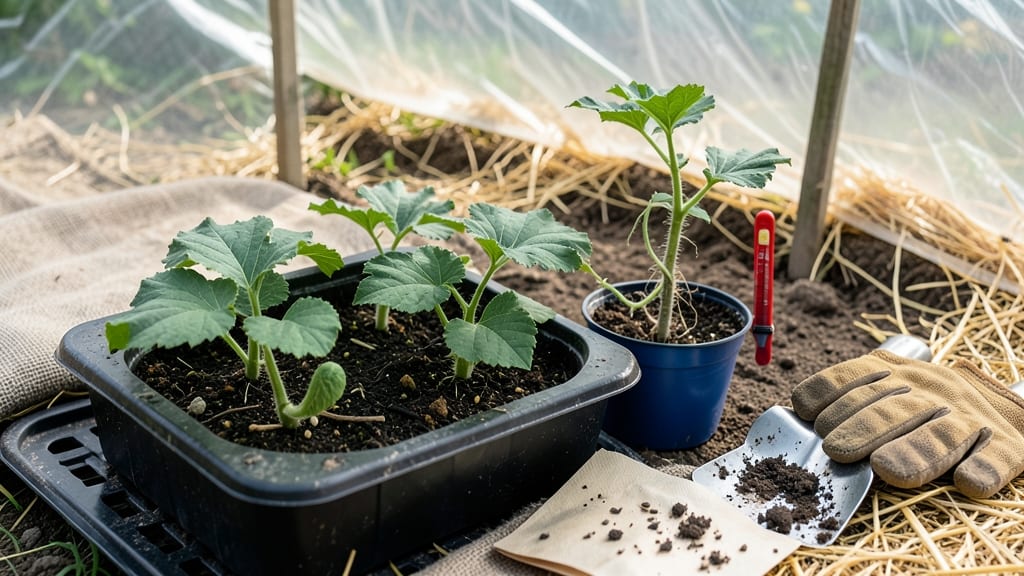
Knowing when to plant cantaloupe in Zone 9b isn’t just about timing—it’s about outsmarting the desert heat to grow sweet, ripe 🍉 fruit that actually survives to harvest.
Unlike cooler climates, Zone 9b’s relentless sun means planting too early can fry your seedlings before they even sprout, while waiting too long risks a harvest that never materializes.
Here’s the secret: late winter is your sweet spot (think February to March), when soil temperatures finally climb to that magic 70°F threshold. But don’t just set seeds and hope—this is where heat-resistant varieties and smart spacing make all the difference in turning your garden into a cantaloupe goldmine.
I’ve grown cantaloupes in Phoenix’s sweltering summers, and I’ll show you exactly how to time your planting for maximum yield, from choosing the right variety to avoiding the pitfalls of summer’s scorching peak. Ready to turn your Zone 9b heat into your biggest harvest yet?
Let’s dive into the step-by-step approach that’s kept my vines thriving—and your fruit sweet—year after year, even when the thermometer hits 110°F.

Optimal planting windows for cantaloupe in Zone 9b’s heat
Zone 9b’s relentless sun and dry heat demand strategic timing for cantaloupe success. Unlike cooler climates, you’ll skip the traditional spring rush and focus on late winter to early spring planting when soil temperatures stabilize.
The key? Soil at 70°F+ (21°C+)—any cooler, and seeds rot before sprouting. My first harvests failed until I invested in a soil thermometer to track these critical temps.
Cantaloupes thrive on heat consistency, not frost avoidance. Since Zone 9b has no frost risk, your window hinges on avoiding summer’s peak 110°F+ (43°C+) days. Plant too early, and vines bolt; too late, and fruits mature in sweltering heat, losing sweetness.
The sweet spot is February through early April, when mornings stay mild and afternoons warm up gradually.
For a second harvest, try late summer planting (August)—just ensure vines establish before September’s heat spikes. I’ve seen ‘Hale’s Best’ varieties thrive with this approach, producing smaller but sweeter fruits by October.
The trade-off? Shorter daylight hours mean slower maturation, so choose fast-maturing varieties like ‘Ambrosia’ for this window.
🌱 Zone 9b Cantaloupe Planting Comparison
| Planting Window | Soil Temp Requirement | Heat Risk | Best Varieties | Harvest Window |
|---|---|---|---|---|
| Late Winter (Feb) | 70°F+ (21°C+) | Low (mild days) | ‘Hale’s Best’, ‘Ambrosia’ | May–June |
| Early Spring (Mar–Apr) | 75°F+ (24°C+) | Moderate (hot afternoons) | ‘Crimson Sweet’, ‘Athena’ | June–July |
| Late Summer (Aug) | 80°F+ (27°C+) | High (intense heat) | ‘Ambrosia’, ‘Topmark’ | Oct–Nov |
⚠️ Pro Tip: Use black plastic mulch to warm soil faster in early plantings—this cuts germination time by 3–5 days.
Microclimates in Zone 9b can shift planting by 2–4 weeks. If you’re in coastal areas (e.g., San Diego), cooler ocean breezes let you plant January–February. Inland deserts like Phoenix or Palm Springs demand March starts to avoid April’s sudden heat surges.
I once planted ‘Hale’s Best’ in February in Tempe—only to watch vines collapse when temps hit 105°F (40°C) by April.
Soil prep is non-negotiable in Zone 9b’s sandy or rocky soils. Amend with 3–4 inches of compost and 1 cup of aged manure per plant to retain moisture. Cantaloupes hate compacted soil, so till deeply to encourage root expansion.
My first year, I skipped this step—result? Stunted vines and tiny, bitter fruits. Since then, I’ve made it a ritual to test soil pH (6.0–6.8) and add lime if needed.
Watering strategy makes or breaks Zone 9b cantaloupe success. Drip irrigation is your best friend—it delivers 1–2 gallons per plant daily during fruiting while avoiding leaf wetness (which invites powdery mildew).
I’ve lost entire patches to fungal rot from overhead sprinklers. For seedlings, mist lightly until true leaves form, then deep-water every 2–3 days.
Shade cloth becomes essential in May–July if temps exceed 95°F (35°C). A 30–50% shade cloth over vines reduces bolting and fruit sunscald. I drape mine loosely—too tight, and you’ll stunt photosynthesis.
Pair this with morning watering to keep roots cool. Without these steps, your cantaloupes may flower but drop fruit from heat stress.
Watch for beet armyworms and cucumber beetles, which thrive in Zone 9b’s heat. I’ve had ‘Athena’ cantaloupes nearly defoliated by these pests. Ne
Optimal planting windows for cantaloupe in Zone 9b’s heat
Zone 9b’s year-round warmth means cantaloupes thrive without frost worries, but timing still matters. Planting too early risks heat stress on young seedlings, while late planting may delay harvests until summer’s peak heat. The ideal window balances soil warmth and summer heat tolerance.
For Zone 9b, aim to plant cantaloupe seeds 2-3 weeks before your last spring frost—though since Zone 9b has no frost, focus on soil temperature.
Cantaloupes need soil at least 70°F (21°C) to germinate well. In most Zone 9b areas, this aligns with late February to early March for spring plantings.
⚠️ CRITICAL TIMING: Avoid planting in mid-summer (June-August) when daytime temps exceed 95°F (35°C). Instead, opt for a fall planting window in late summer (August-September) to harvest before winter cools down.
Use a soil thermometer to confirm readiness—cantaloupes won’t germinate in cooler soil. In desert areas like Phoenix, soil may warm faster; monitor for consistent 70°F+ readings before planting. For coastal Zone 9b (e.g., Southern California), cooler ocean breezes may delay soil warming by 1-2 weeks.
Pro tip: Start seeds indoors 2-3 weeks before transplanting outdoors. Use biodegradable pots to avoid root disturbance. Harden off seedlings by placing them outdoors in partial shade for 2-3 hours daily before full sun exposure.
Once planted, cantaloupes need 8+ hours of sunlight daily. In Zone 9b, this means south-facing beds or raised beds with afternoon shade cloth during peak summer heat (100°F+). Mulch with straw or black plastic to retain soil moisture and regulate temperature.
Remember: Heat-resistant varieties like ‘Hale’s Best’ or ‘Ambrosia’ mature faster in Zone 9b’s climate. Pair with companion plants like radishes or lettuce to improve soil health and deter pests. With the right timing, you’ll enjoy sweet, ripe cantaloupes from spring through fall! 🍉