
Plants
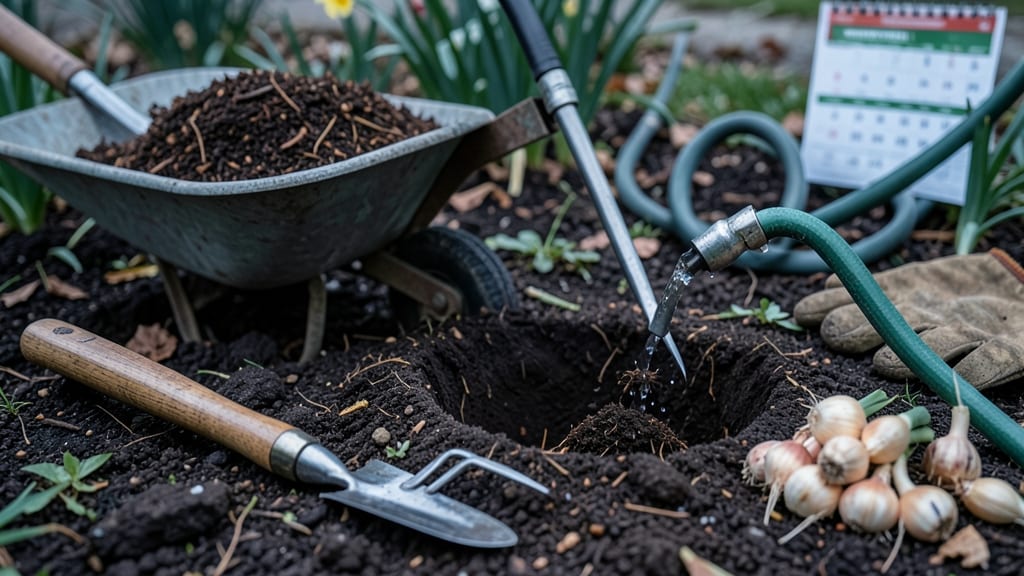
Planting daffodil bulbs in Southern California at the wrong time can mean the difference between vibrant 🌼 blooms and a sad, wilted disappointment. Since this region rarely sees frost, you’ve got a longer window than most—but timing still matters to give those bulbs the best shot at thriving.
Most gardeners in zones 9b-11 (especially coastal areas) can plant from September through November, while inland zones lean toward October-December. The key is to get them in the ground before the ground cools too much, but not so early that summer heat stresses them out.
I’ve seen firsthand how a few simple adjustments—like soil prep, depth, and watering—can turn a mediocre planting into a showstopping spring display. Whether you’re a first-time gardener or a seasoned pro, these tips will help you avoid common mistakes and keep your daffodils blooming year after year.
Ready to dive in? Let’s break down the exact months, soil secrets, and care tricks that’ll have your garden bursting with color by March—without the guesswork. Your future bright yellow blooms will thank you!
Best months to plant daffodil bulbs in SoCal (frost-free Zone guide)
Southern California’s mild winters and frost-free microclimates create the perfect conditions for daffodils—but timing still matters. Unlike colder regions, SoCal gardeners can plant daffodils year-round, but the ideal window ensures strong root growth before summer heat.
Most areas (USDA Zones 9b-11) avoid frost, so focus on cooler months to prevent bulb stress.
For coastal areas (like San Diego or Santa Barbara), where winters stay 55–65°F, you can plant daffodils as early as September. Inland valleys (e.g., Los Angeles Basin or Riverside) benefit from planting in October–November to avoid late-winter chills that can delay blooming.
Even then, daffodils are drought-tolerant once established, so they’ll bounce back from minor timing missteps.
🌼 SoCal Daffodil Planting Timeline
| Month | Coastal Areas | Inland Valleys | Key Consideration |
|---|---|---|---|
| September | ✅ Ideal | ⚠️ Risky (hot soil) | Soil temps >70°F can stress bulbs. |
| October | ✅ Best | ✅ Ideal | Cooler soil, minimal frost risk. |
| November | ✅ Best | ✅ Ideal | Optimal root growth before winter. |
| December | ⚠️ Late but OK | ⚠️ Risk of light frost | Mulch heavily to protect bulbs. |
| January | ❌ Avoid | ❌ Avoid | Bulbs may rot in wet soil. |
💡 Pro Tip: Use early-blooming varieties (like 'Tête-à-Tête') for September plantings to beat summer heat.
If you miss the fall window, don’t panic! Daffodils are hardy perennials that can handle winter planting (even in January) as long as soil isn’t waterlogged.
However, bulbs planted in summer (June–August) risk heat stress and may fail to bloom. Always prioritize well-draining soil to prevent rot, especially in clay-heavy inland areas.
For container gardening, timing shifts slightly. Plant in October–November to align with outdoor schedules, but move pots to shadier spots in summer to protect roots. Coastal gardeners can even plant in early spring (February) for late-winter blooms, though this skips the traditional fall root-growth phase.
One common misconception is that daffodils need frost to bloom. In SoCal, they thrive without frost—just consistent moisture and cool soil. The key is planting when daytime temps drop below 75°F and nighttime temps stay above 50°F.
Use a soil thermometer to confirm: ideal planting soil temps are 55–65°F.
To extend your daffodil season, mix early-, mid-, and late-blooming varieties. For example, plant 'February Gold' (early) in September, 'Ice Follies' (mid) in October, and 'Peach Soufflé' (late) in November. This creates a continuous bloom from February to April, even in frost-free zones.
Remember: SoCal’s microclimates vary wildly. A coastal garden in San Diego might see 60°F winters, while inland Palm Springs can drop to 40°F. Adjust your planting date 1–2 weeks later for inland areas to avoid late-winter chills that stunt growth. Always check your
Best months to plant daffodil bulbs in SoCal (frost-free Zone guide)
Southern California’s mild winters and frost-free zones create a unique window for planting daffodil bulbs. Unlike colder regions, you don’t need to rush before frost—just avoid the hottest summer months when bulbs struggle to establish roots.
The ideal time spans October through December, with coastal areas having a slightly extended window.
For coastal SoCal (USDA Zone 10a), you can even plant as early as late September since temperatures stay cooler year-round. Inland valleys (Zone 9b) should aim for November to avoid summer heat stress.
The key is planting 6-8 weeks before the first potential frost—though in most of SoCal, frost is rare.
| Region | Best Planting Window |
|---|---|
| Coastal SoCal (Zone 10a) | Late September–December (extended window) |
| Inland Valleys (Zone 9b) | October–November (avoid summer heat) |
| Desert Areas (Zone 9a) | November–January (coolest months) |
🌱 Pro Tip: Coastal areas can plant earlier, but inland gardeners should wait until temps drop below 80°F.
If you miss the fall window, don’t panic—January is still a viable month for planting, especially in cooler microclimates. However, bulbs planted later may bloom slightly later the following spring. For continuous color, stagger plantings by mixing early-, mid-, and late-season varieties.
One common mistake in SoCal is planting too shallowly due to the well-draining soil. Daffodils need 6-8 inches of depth to prevent rot, even in sandy coastal soils. Pair this with a 2-inch layer of mulch to retain moisture without suffocating the bulbs.
Remember, daffodils thrive in Southern California because they hate both extreme heat and frost. By planting in the fall or early winter, you give roots time to establish before summer’s return. This ensures vibrant blooms from March to May—just in time for spring’s arrival! 🌼