
Plants
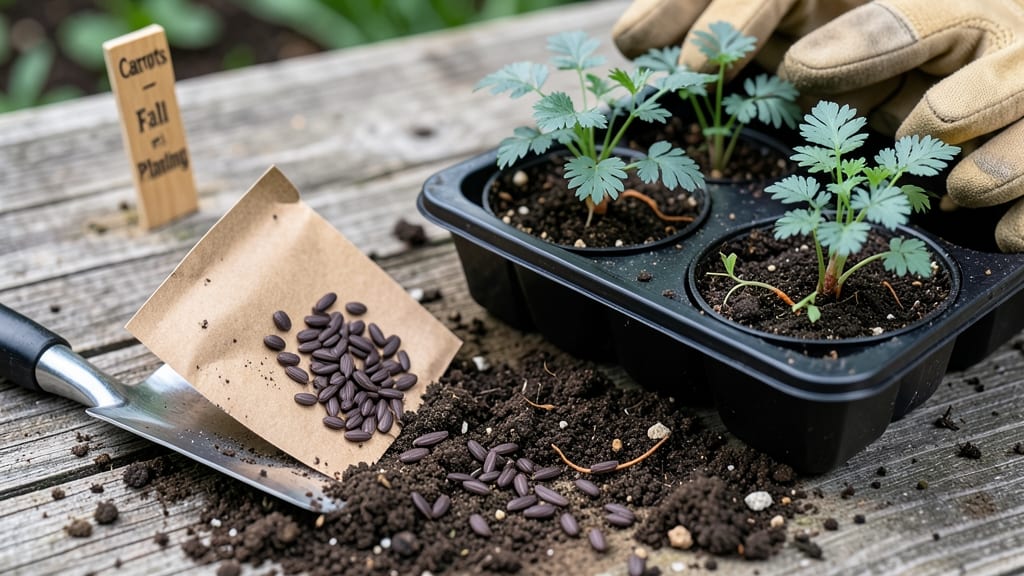
Timing your fall carrot planting is the secret weapon behind sweet, tender 🥕 roots that outshine spring harvests—but most gardeners miss the window by weeks. Whether you're in chilly Zone 6a or a warmer climate, getting this right means avoiding bitter, woody carrots and bolting before winter sets in.
Let me show you the exact zone-specific deadlines that separate a successful fall crop from wasted seeds. We're talking about the 8-10 week rule before your first frost date, but with location-specific adjustments that make all the difference. Even experienced gardeners get this wrong—until now.
You'll discover how to calculate your perfect planting window using simple frost date math, plus pro tips for soil prep that prevents forked roots. No more guessing games—just reliable, science-backed timing that guarantees a harvest from October through December.
Ready to grow carrots that are sweeter than summer varieties? Let's break down the critical timing, common mistakes to avoid, and how to maximize your yield before winter arrives—so you'll be pulling perfect 🥕 roots while others are still planning next year's garden.
Fall carrot planting deadlines by USDA hardiness zones (with exact dates)
Planting carrots in fall requires precision—get the timing wrong, and you’ll end up with bitter, woody roots or plants that bolt before harvest. The key is planting 8-10 weeks before your first frost date, but exact deadlines vary by USDA zone and local climate.
Cooler fall temperatures actually help carrots develop sweeter flavors, but they need enough time to mature before winter sets in.
Most gardeners focus on soil temperature and daylight hours rather than just calendar dates. Carrots thrive when soil temps stay above 45°F (7°C) but won’t tolerate freezing. In zones with early frosts, aim for early September plantings, while warmer southern zones can extend deadlines into mid-October.
Let’s break it down by zone to avoid common mistakes.
🌱 Pro Tip: Use a soil thermometer to confirm temps—carrots won’t germinate well below 50°F (10°C), even if the calendar says "fall."
Fall Carrot Planting Deadlines by USDA Zone
| Zone | Ideal Planting Window | First Frost Date | Soil Temp Threshold | Notes |
|---|---|---|---|---|
| Zones 3-4 | Early August to mid-September | Mid-September to early October | 45°F+ (7°C+) | Short season—choose fast-maturing varieties (e.g., 'Early Nantes'). |
| Zones 5-6 | Late August to early October | Late October to mid-November | 50°F+ (10°C+) | Best for Danvers and Chantenay types. |
| Zones 7-8 | Mid-September to mid-October | Mid-November to early December | 55°F+ (13°C+) | Extend season with row covers. |
| Zones 9-10 | Late September to November | December to January | 60°F+ (16°C+) | Plant short-day varieties like 'Paris Market' for winter harvests. |
*Adjust dates 1-2 weeks earlier for high-altitude gardens or later for coastal microclimates.
In Zones 3-4, where winters are harsh, I recommend planting 'Early Nantes' or 'Paris Market'—these varieties mature in 50-60 days, giving them enough time to reach harvest size before hard frosts.
For Zones 5-6, you have more flexibility, but don’t wait past early October unless you’re using row covers to extend the season.
Southern gardeners in Zones 9-10 can push deadlines later, but watch for bolting—carrots exposed to long daylight hours may flower prematurely. If your area has unpredictable fall weather, plant a successive crop every 2 weeks to stagger harvests and reduce risk.
One mistake I see often is planting too close to frost dates. Carrots need 60-80 days to mature, so if your first frost is November 15, your last planting should be by August 15.
Use a frost date calculator (like the Old Farmer’s Almanac) to pinpoint your exact deadline.
For high-altitude gardens, subtract 1-2 weeks from the zone guidelines—cooler mountain air means shorter growing seasons. Conversely, coastal regions can extend deadlines by 10-14 days thanks to milder ocean-influenced temperatures.
🌿 Key Takeaway: Match your carrot variety to your zone’s frost date. Short-season zones need fast varieties; long-season zones can afford slower growers.
How to adjust planting dates for your local climate (even if you’re not sure of your zone)
Not every gardener knows their exact USDA zone, but you can still pinpoint the perfect fall carrot planting window using three simple tools: a soil thermometer, your local average first frost date, and even the moon’s phases.
These methods work for high-altitude gardens, coastal regions, and anywhere in between.
First, check your local frost dates—most extension offices or weather apps provide this data. Carrots need 8-10 weeks to mature before frost hits, so count backward from that date. For example, if frost arrives October 15, plant between August 15 and September 1 for a reliable harvest.
Next, use a soil thermometer to confirm soil temps are between 50°F and 70°F—ideal for germination. Cold soil slows sprouting, while hot soil can cause seeds to bolt. Test in the morning shade for accuracy.
A lesser-known trick? Planting by the moon’s phases can boost success. Aim for the waxing gibbous (7 days before full moon) to encourage root growth. This aligns with nature’s water cycle, helping carrots develop straight, sweet roots instead of leggy tops.
For high-altitude gardens (above 5,000 ft), extend your planting window by 2-3 weeks later than zone guidelines. Cooler temps slow growth, so start seeds indoors or use row covers to protect young plants.
In coastal regions, watch for microclimates—sheltered spots may stay warm longer. Plant late varieties like ‘Danvers’ for extended harvests, or use black plastic mulch to warm the soil and delay frost.
Finally, keep a planting journal to track your local patterns. Note when seeds sprout, how long harvest takes, and any unexpected frost dates. Over time, you’ll refine your timing better than any zone chart!