
Plants
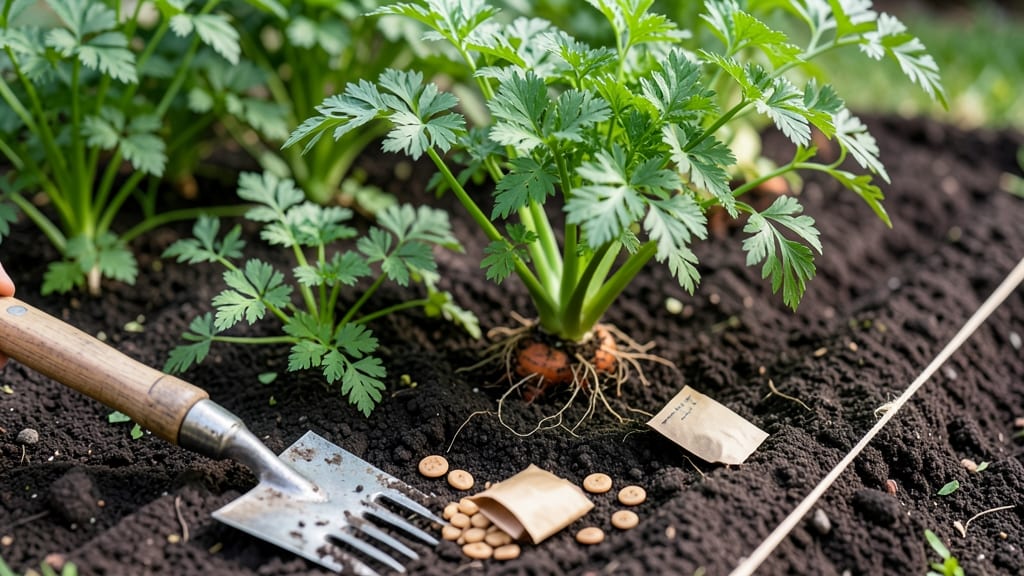
If you’ve ever planted 🥕 carrots in Georgia only to watch frost or scorching heat ruin your crop, you’re not alone. The key to perfect harvests lies in knowing exactly when to plant—because timing in Georgia’s 7b-8b climate makes all the difference.
Most gardeners miss the two best windows: late February through early March for spring carrots, and August to early September for fall harvests. Plant too early, and frost zaps your seedlings; too late, and summer’s heat turns your 🥕 carrots woody and tough.
But here’s the secret: with the right soil temperature tricks and frost-date awareness, you can stretch your harvest from May-June to November-December.
I’ll show you how to read Georgia’s microclimates—whether you’re in the Piedmont’s cooler hills or the coastal plains’ milder zones—to pick the ideal planting dates. Plus, I’ll share soil prep hacks that prevent forking and ensure your carrots grow straight and sweet.
Ready to grow crisp, homegrown carrots without the guesswork? Let’s dive into the exact steps to turn your Georgia garden into a carrot paradise.
Georgia carrot planting calendar: frost dates & ideal months for success
Georgia’s USDA zones 7b-8b give you a 210-day frost-free window, but timing matters for sweet, crisp carrots. The last frost date typically hits mid-March, while the first frost arrives around mid-November.
Plant too early, and tender seedlings die; too late, and summer heat makes roots woody. Let’s break down the perfect planting windows for three harvests per year.
For spring carrots, start seeds 6-8 weeks before your last frost—that’s late February to early March in most of Georgia. This gives them time to mature before summer heat sets in.
In northern GA (zone 7b), wait until early March to avoid late frosts, while coastal areas (zone 8b) can plant as early as mid-February.
Summer planting is tricky in Georgia’s heat, but heat-tolerant varieties like ‘Danvers Half Long’ or ‘Nantes’ can handle August starts. Aim for August to early September plantings to harvest before winter. Use shade cloth (30-50%) to protect seedlings from intense sun.
Fall is the best time for carrots in Georgia—cool soil and mild air prevent bolting. Plant September to early October for a November-December harvest. In southern GA, extend planting into early November for winter harvests.
| Planting Window | Ideal Months | Harvest Time | Notes |
|---|---|---|---|
| Spring | Late Feb - Early Mar | May - June | Use row covers for frost protection. |
| Summer | August - Early Sep | October - November | Choose heat-tolerant varieties. |
| Fall | September - Early Oct | November - December | Best flavor and texture! |
Check your local frost dates using the Georgia Climate Project or Almanac’s frost calculator. For example, Athens (zone 7b) has a later last frost (mid-April) than Savannah (zone 8b), which is mid-March. Adjust your planting schedule accordingly to avoid frost damage.
Pro tip: Succession plant every 2 weeks in spring and fall to ensure a continuous harvest. For example, plant one row in late February, another in mid-March, and a final row in early April for staggered maturity. This method works for both spring and fall plantings.
If you’re new to Georgia gardening, start with short-season varieties like ‘Paris Market’ (50 days) or ‘Little Finger’ (55 days). These mature quickly and tolerate cooler soil temperatures better than longer varieties. Save ‘Chantenay’ (70 days) for fall plantings when days are shorter.
Remember: Carrots hate heat—soil temps above 85°F slow germination and cause bolting. Use mulch (straw or grass clippings) to keep roots cool during summer months. This simple trick can extend your growing season by 2-3 weeks.
For coastal Georgia gardeners, humidity and sandy soil require extra care. Amend beds with compost and sand to improve drainage, and water deeply 2x weekly to prevent cracking. Inland areas like Atlanta or Macon have heavier clay soil—add organic matter to loosen the earth before planting.
Now that you’ve got your planting calendar locked in, your next step is ensuring the soil is ready. Soil temperature and depth are just as critical as timing—let’s dive into those tricks in the next section to guarantee your carrots grow straight and sweet!
Soil temperature & depth tricks: how to get carrots started right in Georgia’s climate
Carrots are fussy about soil conditions—get it wrong, and you’ll end up with forked roots or slow germination. In Georgia’s USDA zones 7b-8b, soil temperature is the #1 factor for success. Aim for 60°F or warmer before planting, as cooler soils delay sprouting by weeks.
Use a soil thermometer to check depths of 1-2 inches, especially in raised beds which warm faster than in-ground soil.
Most gardeners in Georgia plant too deep—carrot seeds need just 1/4 inch of coverage. Press them lightly into loose soil and cover with fine compost or sand (never clay). If your soil is rocky or compacted, mix in coarse sand or perlite to prevent forking.
I once grew carrots in heavy Piedmont clay and ended up with 90% forked roots—amending the soil saved my harvest the next year.
🚨 Georgia-Specific Warning
Never plant carrots when soil temps drop below 50°F—they’ll rot in cold, wet conditions. Coastal Georgia stays warmer longer than Atlanta, so adjust your timing 1-2 weeks later if you’re near Savannah or Brunswick.
🔹 Pro Tip: Test soil moisture too—carrots need consistent dampness, not soggy soil. Stick your finger 1 inch deep; if it’s dry, water before planting.
For raised beds, warm soil faster by covering with black plastic mulch 1-2 weeks before planting. Remove it right before sowing to avoid overheating seeds. In-ground gardens benefit from straw mulch after germination to retain moisture while preventing weeds.
I’ve found that shallow trenches (2 inches deep) filled with composted soil give the best results for long, straight roots.
One common mistake? Skipping the soil pH test. Carrots thrive in pH 6.0-6.8. Georgia’s native soil often tests higher—amend with sulfur or peat moss if needed. My garden’s pH was 7.2 last year, and my carrots grew slow and pale until I adjusted it.
A simple $10 test kit from your local nursery will save you headaches.
If you’re planting in late summer for a fall harvest, prioritize shade cloth (30-50%) to protect seedlings from intense Georgia sun. Without it, your seeds may overheat and fail to sprout.
I lost an entire batch of Danvers carrots one August because I forgot the shade cloth—learn from my mistake!
Finally, thin seedlings properly to avoid competition. Crowded carrots grow small and misshapen. Once they’re 2 inches tall, thin to 2-3 inches apart for full-sized roots.
Use sharp scissors to cut unwanted plants at soil level—this reduces transplant shock. My best harvests come from beds where I’ve thinned aggressively early on.