
Plants
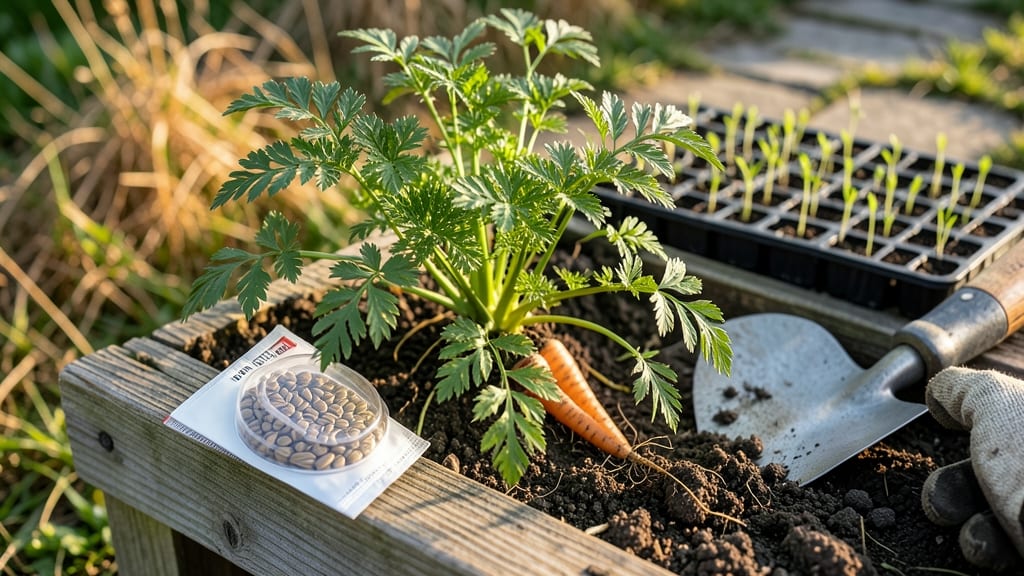
Timing your 🥕 carrot planting in Idaho isn’t just about following a calendar—it’s about outsmarting the state’s unpredictable microclimates, from the chilly high desert to the fertile Treasure Valley. Plant too early, and bolting turns your sweet roots into bitter seeds before they even reach harvest size.
Too late, and frost or pests claim your crop before you’ve tasted that first crisp bite.
I’ve grown carrots across Idaho’s USDA zones 5-7 for years, and the difference between a thriving garden and a failed experiment often comes down to just 2 weeks of perfect timing.
Whether you’re in Boise’s urban plots or the Palouse’s rolling fields, the right planting window means the difference between a bountiful harvest and a frustrating loss.
Here’s what you need to know: Idaho’s two ideal planting windows—mid-April to early July for spring crops and late July to mid-August for fall—are just the starting point. Soil temperature, frost dates, and even your elevation play a bigger role than most gardeners realize.
I’ll break down the exact steps to adjust your schedule based on where you live, so you can avoid common mistakes and grow straight, flavorful carrots every time.
Ready to dig in? Let’s turn your Idaho garden into a carrot powerhouse—no guesswork, just results. You’ll learn how to read your local climate, prep soil like a pro, and choose varieties that actually thrive in Idaho’s short growing season.
The best part? By the end, you’ll know exactly when to plant for zero bolt risk and a harvest that’ll make your neighbors jealous.
Idaho’s carrot planting zones: microclimate deadlines by region
Idaho’s USDA Zones 5-7 hide dramatic differences in frost dates and soil warmth. The Treasure Valley (Boise) enjoys 180 frost-free days, while high-altitude areas like Coeur d’Alene only get 120 days. These variations mean your carrot planting window could shift by 6 weeks depending on where you garden.
Carrots thrive when soil reaches 60°F (15°C), but they’ll bolt if exposed to temperatures above 85°F (29°C). In Idaho’s short growing season, timing is everything. Miss the window, and you’ll either face rock-hard roots from cold soil or bitter, woody carrots from heat stress.
Here’s how to pinpoint your ideal planting dates based on Idaho’s 5 key regions, including soil temperature thresholds and frost-free calculations to prevent bolting.
| Region | Last Frost Date | First Frost Date | Spring Planting Window | Fall Planting Window | Soil Temp Threshold |
|---|---|---|---|---|---|
| Treasure Valley (Boise) | May 5 | October 10 | April 15–May 15 | July 15–August 15 | 60°F (15°C) |
| Southwest (Twin Falls) | May 10 | October 5 | April 1–May 10 | July 10–August 10 | 58°F (14°C) |
| Panhandle (Coeur d’Alene) | May 20 | September 25 | May 1–May 20 | July 1–July 31 | 55°F (13°C) |
| Magic Valley (Twin Falls) | May 1 | October 15 | April 1–May 1 | July 1–August 5 | 60°F (15°C) |
| North Central (Moscow) | May 15 | September 30 | May 1–May 15 | July 1–July 20 | 57°F (14°C) |
Notice how the Panhandle’s later frost dates push spring planting into early May, while the Treasure Valley’s longer season allows for a 6-week window. For high-altitude areas like Sandpoint or McCall, consider seed-starting indoors 6-8 weeks before your last frost date to extend your growing season.
For fall crops, aim to plant 8-10 weeks before your first frost. In Boise, that’s July 15–August 15; in Coeur d’Alene, it’s July 1–July 31. Fall-planted carrots benefit from cooler soil temperatures, which reduce bolting risk and yield sweeter roots.
Pro tip: Use a soil thermometer to confirm readiness. If your soil is below 55°F (13°C), wait—cold soil stunts root growth. In Idaho’s alkaline soils, add compost or peat moss to lower pH and improve drainage, which prevents forked or hairy roots.
Bolting is your biggest enemy in Idaho’s variable spring weather. To avoid it, choose short-season varieties (like ‘Early Nantes’) and plant in partial shade during heatwaves. Succession planting every 2 weeks ensures a steady harvest before summer heat sets in.
🌱
How to adjust planting dates for Idaho’s unpredictable weather patterns
Idaho’s weather can swing from freezing overnight to 90°F heatwaves in days, making timing critical. Carrots hate extremes—bolting from cold snaps or bitter flavors from heat stress. The key is flexibility: adjust planting windows based on soil temperature, not just air temps.
In high-altitude zones like Coeur d’Alene, start seeds indoors 4–6 weeks before your last frost date to avoid early-season frost damage.
Use the “70-degree soil rule” as your guide. Carrot seeds need soil at at least 50°F to germinate, but roots grow best when soil stays above 60°F.
Test soil temps with a moisture meter or the back-of-hand test: press your hand into the soil—if it feels warm but not hot, it’s ready. In Treasure Valley, this usually aligns with mid-April, but in Panhandle regions, wait until late May.
- 📅 Start seeds indoors 4–6 weeks before last frost in Zone 5 (e.g., Kootenai County), 3–4 weeks in Zone 6–7 (e.g., Boise).
- 🌡️ Direct-sow outdoors only when soil hits 50°F+—use a row cover if nights dip below 40°F.
- ☀️ Succession plant every 2 weeks from April to July for continuous harvests; stop by August 1 to avoid bolt-risk from shortening days.
- 🌧️ Fall planting: Sow late July to mid-August for harvest before first frost (aim for 70–80 days to maturity).
- 🛡️ Use black plastic mulch in Magic Valley to warm soil 5–10°F faster and extend the season.
For unpredictable frost risks, stagger plantings in 3-week intervals. In North Central Idaho, where frosts linger until May 15, plant half your seeds in April (with row covers) and the rest in early May.
If a late frost hits, young seedlings can bounce back, but mature plants will bolt. Always keep a 10-day buffer between plantings to account for Idaho’s 100°F+ heat spikes in July.
Heat is another villain. Carrots grown in 90°F+ soil develop woody cores and bitter flavors. In Treasure Valley, avoid planting after June 15 unless you use shade cloth.
For fall crops, focus on short-day varieties like ‘Paris Market’ (50 days to harvest) to beat the October 1 frost line. Mulch with straw or grass clippings to keep roots cool and moist.
Pro tip: Plant carrots with onions or garlic to deter pests like carrot rust flies, which thrive in Idaho’s dry summers. The onion scent masks carrot aromas, confusing flies.
Pair this with drip irrigation to keep soil evenly moist—Idaho’s sandy loam drains fast, and uneven watering causes forked roots. Water deeply once a week (or more in heatwaves) rather than daily shallow watering.
Finally, monitor local weather via the NOAA’s Boise or Idaho Falls forecasts or apps like PlantNet. Idaho’s microclimates can vary by 10°F in just 20 miles, so check neighborhood-specific frost dates.
If a heatwave is forecasted, delay planting until temps drop—carrots will thank you with sweet, crisp roots instead of bitter, stringy disappointments.