
Plants
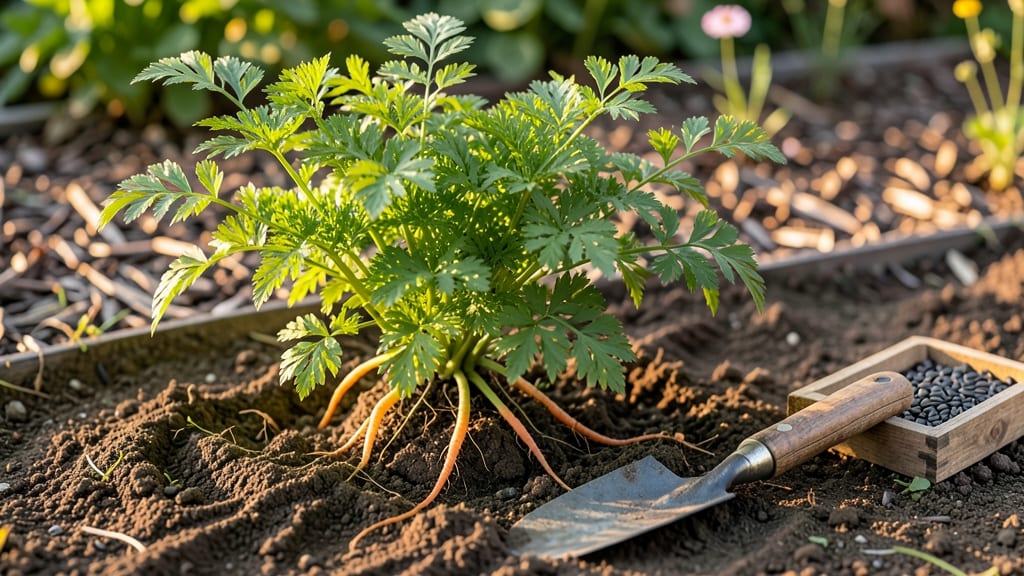
Timing your carrot planting in Zone 6a can make or break your harvest—get it right, and you’ll enjoy crisp, sweet 🥕 all season. The key isn’t just following a calendar; it’s reading your soil’s temperature cues to avoid stunted growth or bolting before you even taste your first carrot.
Most gardeners in Zone 6a know spring and fall are the prime windows, but the real secret lies in waiting for soil temps between 45°F and 75°F.
Plant too early, and frost-sensitive seedlings will struggle; too late, and you’ll miss the sweet spot for flavorful roots before summer heat sets in.
I’ll show you exactly when to drop those seeds—whether you’re aiming for early spring harvests or extending your garden into fall. With these soil temperature triggers, you’ll skip the guesswork and grow carrots that are perfectly sized, tender, and packed with flavor.
Ready to transform your garden? Let’s dive into the science behind Zone 6a carrot timing and the simple tools you’ll need to nail it every season.

Zone 6a carrot planting calendar: best months by soil temperature
In Zone 6a, where average last frost dates hover around April 15 and first frosts arrive by October 15, timing your carrot planting to match soil temperature triggers is your secret weapon.
Carrot seeds need soil between 45°F–75°F to germinate reliably—too cold, and they rot; too hot, and they bolt. My Zone 6a garden thrives when I plant in two key windows: early spring (March–April) and late summer (July–August).
Spring planting starts as soon as soil warms to 50°F (around mid-March in most Zone 6a areas), but I always double-check with a soil thermometer. Fall planting, however, requires precision—seeds must germinate before September 15 to mature before frost.
Miss this window, and you’ll end up with small, woody roots or none at all.
🌱 Key Insight: Carrots are cool-season crops, meaning they tolerate light frosts but bolt (go to seed) in heat. In Zone 6a, this means avoiding planting after June 15 unless you’re using heat-tolerant varieties like ‘Danvers Half Long.’
📅 Zone 6a Carrot Planting & Harvest Timeline
| Stage | Action | Soil Temp | Notes |
|---|---|---|---|
| Early Spring | Plant seeds | 45°F–55°F | Start 4–6 weeks before last frost (mid-March) |
| Spring Germination | Keep soil moist | 50°F–60°F | Seeds sprout in 10–21 days |
| Spring Harvest | Pull roots | 60°F–70°F | 60–80 days after planting (May–June) |
| Late Summer | Plant seeds | 60°F–70°F | Start 10–12 weeks before first frost (July) |
| Fall Harvest | Pull roots | 50°F–60°F | 60–70 days after planting (Sept–Oct) |
⚠️ Pro Tip: Use black plastic mulch in spring to warm soil faster, or straw mulch in fall to slow cooling.
For spring planting, I start seeds indoors in early March (4–6 weeks before last frost) to get a head start, then transplant seedlings when soil hits 50°F.
Direct-sowing outdoors works too, but I’ve found seedlings struggle in cold, wet soil, leading to damping off (a fungal disease that kills young plants).
In late summer, I focus on succession planting every 2 weeks from July through August to extend my harvest into October. This works because Zone 6a’s cool nights prevent bolting, even when days are warm.
My go-to variety for fall is ‘Nantes,’ which matures in just 60 days—perfect for squeezing in a second crop.
One common mistake I see in Zone 6a gardens? Planting too early when soil is still below 45°F. Carrot seeds won’t germinate in cold soil, and they’ll rot instead. Always wait until soil reaches 50°F for spring or 60°F for fall before planting.
🌿 Local Nuance: If you’re in northern Zone 6a (e.g., near Buffalo, NY or Burlington, VT), your last frost may be May 15, pushing spring planting back to late April. Southern Zone 6a (e.g., Charlottesville, VA) can plant as early as mid-March.
To maximize your harvest, I recommend planting every 2 weeks from March through August. This succession planting strategy ensures a steady supply of fresh carrots, with spring crops ready by June and fall crops harvested in October. Just remember: never plant after July 15 unless you’re using heat-tolerant varieties.
Zone 6a carrot planting calendar: best months by soil temperature
In Zone 6a, where last frost typically hits around April 15 and first frost arrives by October 15, timing your carrot planting is all about soil temperature.
Carrot seeds need 45°F–75°F soil to germinate properly—too cold, and they rot; too hot, and they bolt. Here’s how to nail the perfect planting windows for your climate.
Your two best chances for success are early spring (March–April) and late summer (July–August). Spring plantings give you a May–June harvest before summer heat sets in, while fall plantings yield carrots in September–October before frost. Both strategies avoid the bolting risk that comes with Zone 6a’s summer heat spikes.
🌱 Zone 6a Carrot Planting Timeline
| Season | Planting Window | Soil Temp (°F) | Harvest Window | Key Notes |
|---|---|---|---|---|
| Spring | March 15–April 15 | 45°F–60°F | May–June | Avoid planting after April 15—risk of bolting increases. |
| Late Summer | July 15–August 15 | 60°F–75°F | September–October | Use shade cloth if temps exceed 80°F to prevent bolting. |
| Fall (Optional) | September 1–September 15 | 50°F–60°F | November (before hard frost) | Best for cold-hardy varieties like 'Winterkeeper'. |
🌡️ Pro Tip: Use a soil thermometer to confirm temps before planting—carrots won’t germinate below 45°F!
For spring plantings, start seeds indoors 6–8 weeks before your last frost (around February 15) or sow directly outdoors as soon as soil reaches 45°F.
In Zone 6a, this usually lands in mid-March, but always check your local frost dates—erring on the early side gives seeds time to establish before summer heat arrives.
If you’re aiming for a fall harvest, prioritize late July–early August plantings. This window ensures carrots mature before first frost (around October 15) while avoiding the bolting trigger of 80°F+ soil. For extra protection, use row covers or plant in partial shade during peak summer heat.
Don’t overlook succession planting—sow new seeds every 2–3 weeks in spring and fall to stretch your harvest. In Zone 6a, this means 3–4 planting cycles total: one in early spring, two in summer (with shade), and one in early fall.
This strategy keeps your kitchen stocked with fresh carrots from May through October!
Remember, soil prep is just as critical as timing. Loosen soil to 12 inches deep, remove rocks, and mix in compost to prevent forked roots. With the right timing and soil conditions, you’ll grow sweet, crisp carrots all season long—no more store-bought blandness! 🥕