
Plants
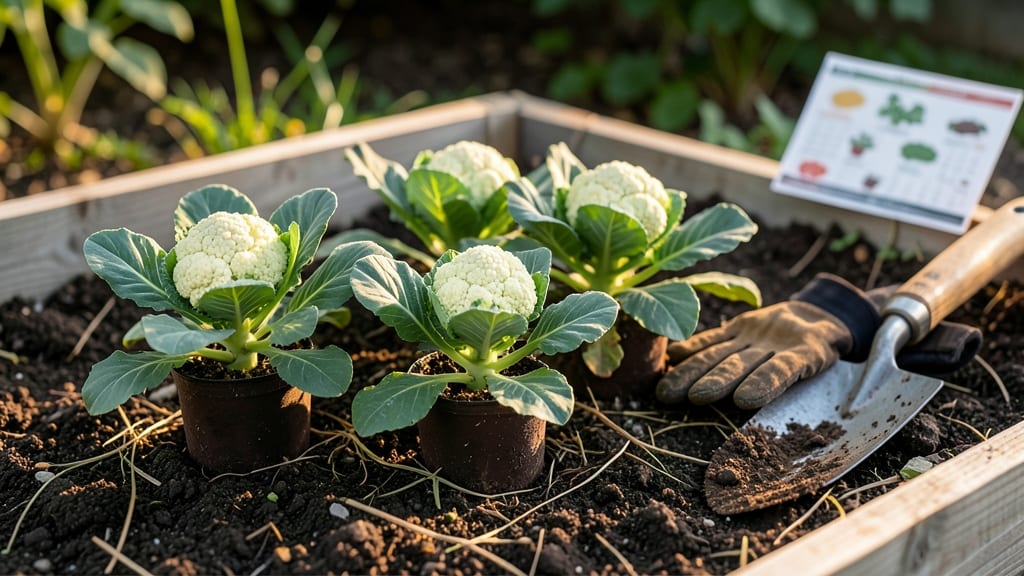
Timing your cauliflower planting in Michigan is the difference between a bountiful harvest and a garden full of bitter disappointment. With frost dates that can shift unpredictably, knowing the exact window for planting is crucial to avoid bolting and ensure your 🌱 thrives.
Most Michigan gardeners swear by early spring planting, but there’s a trick to extending your harvest into fall—if you know when to start. Whether you’re transplanting seedlings or sowing directly, getting the soil temperature and frost dates right makes all the difference.
I’ve tested the best strategies for Michigan’s unique climate, from Detroit’s urban heat islands to Traverse City’s cooler shores. Let me show you the zone-specific deadlines that keep your cauliflower happy and your kitchen stocked.
Ready to master the art of cauliflower planting? You’ll learn how to time it perfectly, choose the right varieties, and even stretch your growing season without risking bolting. Let’s get started.
Michigan cauliflower planting calendar: frost-date deadlines by Zone
Michigan’s cool summers and late frosts make timing critical for cauliflower success. Plant too early, and you risk bolt-inducing heat; too late, and frost ruins your crop. The key is aligning your schedule with USDA Zones 4-6, where last frost dates vary by 2-3 weeks across the state.
For Detroit (Zone 6a), aim for late April to early May transplants, while Traverse City (Zone 5b) gardeners should wait until mid-May. Northern Michigan’s Zone 4 areas like Marquette need to start seedlings indoors by early March for outdoor planting in late May.
Here’s your zone-specific planting timeline with frost-free deadlines to prevent bolting:
| Zone | Last Frost Date | Transplant Window | Fall Planting (Late) | Key Variety Tip |
|---|---|---|---|---|
| Zone 4 (Marquette) | May 15 | Late May - Early June | Mid-July (for fall harvest) | ‘Snowball Y’ (cold-tolerant) |
| Zone 5 (Grand Rapids) | May 1 | Mid-April - Late May | Late June (fall harvest) | ‘Purple of Sicily’ (heat-resistant) |
| Zone 6 (Detroit) | April 15 | Early April - Early May | Early July (fall harvest) | ‘Romanesco’ (unique shape) |
For direct sowing (less common for cauliflower), wait until soil reaches 45°F and plant 2-3 weeks after your last frost date. This method works best in Zone 6 areas with warmer springs.
Pro tip: Use frost cloth to extend your spring window by 2-3 weeks if early planting is tempting. Just remove it when daytime temps hit 70°F to avoid overheating seedlings.
Remember, soil temperature matters more than air temperature. Cauliflower roots thrive in 60-70°F soil. Use a soil thermometer to confirm readiness—planting too early in cool soil stunts growth and invites rot.
Fall planting is possible but risky. Start seeds indoors by mid-July for Zone 5-6 and transplant by late August. Use row covers to protect from early frosts, aiming for harvests before October 15.
Bolting is your biggest enemy in Michigan’s climate. Avoid it by choosing late-maturing varieties (75-90 days) and planting when daytime highs stay below 75°F. If temps climb, provide afternoon shade cloth to keep heads tight and white.
🌱
How to extend Michigan’s cauliflower growing season without risking bolting
Michigan’s short growing season forces gardeners to get creative with timing—especially for heat-sensitive crops like cauliflower. The key to avoiding bolting (when plants prematurely flower) lies in extending the harvest window through smart strategies.
Start by choosing late-maturing varieties (like ‘Snowball Y Improved’) that tolerate cooler temps better than standard types.
For spring plantings, use frost cloth or row covers to protect seedlings from late frosts after your last frost date. These lightweight barriers raise soil temperatures by 2–4°F, giving cauliflower a head start without overheating.
Remove covers once plants are established (about 3–4 weeks after transplanting) to prevent fungal diseases from trapped moisture.
🌱
- Use black plastic mulch in early spring to warm soil faster (ideal: 50–55°F for germination).
- Plant a second crop in late July for fall harvests—choose fast-maturing varieties (60–70 days to maturity).
- Apply a thin layer of straw mulch (2–3 inches) to insulate roots and retain moisture during Michigan’s unpredictable fall weather.
- Fertilize with compost or aged manure before transplanting to boost soil fertility—cauliflower is a heavy feeder.
- Harvest early in the morning when temps are coolest to preserve crispness and prevent bolting from heat stress.
Another game-changer is soil temperature management. Cauliflower bolts when soil temps exceed 80°F for prolonged periods. In Michigan’s hot summers, shade cloth (30–50% coverage) can lower soil temps by up to 10°F while still allowing 6–8 hours of sunlight.
Pair this with drip irrigation to keep roots cool and moist—never let the soil dry out completely.
For gardeners in USDA Zone 4 (northern Michigan), focus on fall plantings after August 15th. Seedlings need 70–80 days to mature before the first frost, so time your transplanting to align with your average first frost date (typically mid-October).
Use a cold frame to push harvests into November by trapping daytime heat.
Finally, monitor your cauliflower’s maturity signs closely. Look for tight curds (the edible head) that feel firm but yield slightly when pressed. If left too long, even the hardiest varieties will bolt—especially under Michigan’s variable autumn weather. Harvest promptly to enjoy homegrown cauliflower well into the season!
☀️