
Plants
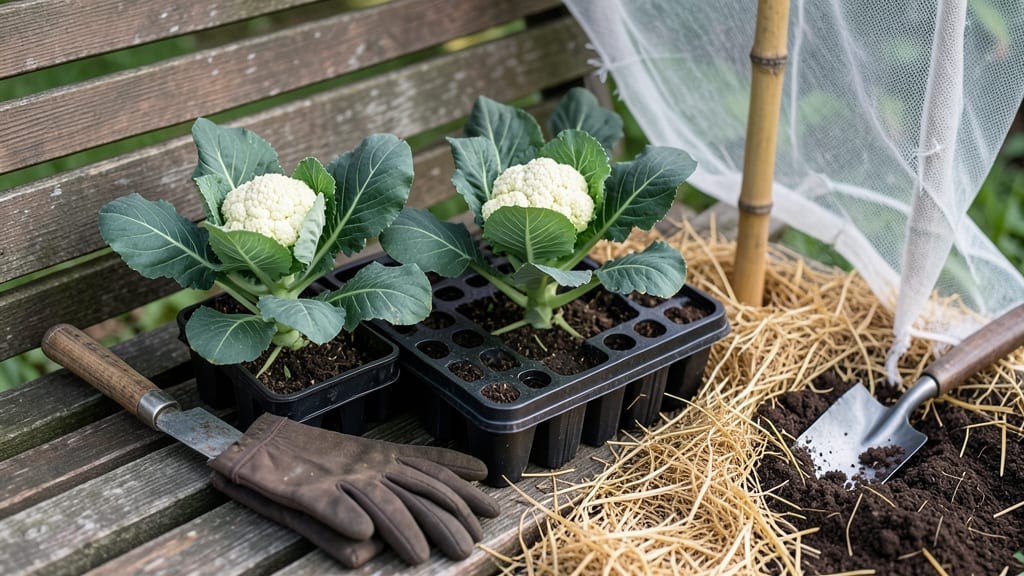
Timing your 🥬 cauliflower planting in Ohio can mean the difference between a bountiful harvest and a bolted disappointment. With Ohio’s unpredictable spring heat and early fall frosts, knowing the precise window to sow seeds or transplant seedlings is the key to growing perfect heads.
Most Ohio gardeners swear by planting cauliflower in March or April for spring harvests, but fall planting in August-September works too—if you act fast. The secret lies in soil temperatures between 45°F and 75°F, which Ohio’s 6a zone delivers during these ideal windows.
I’ll show you exactly when to start seeds indoors versus direct sowing, how to pick heat-tolerant varieties, and why succession planting can save your crop from bolting. Let’s get those heads growing the right way.
Whether you’re a first-time gardener or a seasoned Ohio grower, these tips will help you avoid common mistakes and maximize your 🥬 harvest from June to November.
Optimal Ohio cauliflower planting months by variety type
Ohio’s USDA Zone 6a climate creates a 165-day frost-free window, but cauliflower thrives best when planted strategically. The key is balancing soil temperatures (45°F–75°F) and frost dates (mid-April to mid-October) to avoid bolting or frost damage.
For Ohio, this means two primary planting windows: spring (March–April) and fall (August–September).
Spring planting starts 4–6 weeks before Ohio’s last frost (mid-April), typically in March. Fall planting begins 10–12 weeks before the first frost (mid-October), usually in late August.
The difference? Spring varieties prioritize cold tolerance, while fall varieties focus on heat resistance to handle Ohio’s summer spikes.
Here’s how Ohio’s microclimates (North vs. South) shift timing slightly. Northern Ohio (e.g., Cleveland) plants 2 weeks later than Southern Ohio (e.g., Columbus) due to later frost dates. Always check your local average last frost date—Ohio’s can vary by 7–10 days between regions.
For direct sowing (skipping seedlings), Ohio gardeners can plant 2–3 weeks earlier than transplanting dates, but success rates drop by 30% due to slower germination in cool soil. If you’re starting indoors, begin seeds 6–8 weeks before transplanting under grow lights (12–14 hours/day).
Ohio’s humidity and variable rainfall demand extra attention. After transplanting, mulch with straw or grass clippings to retain moisture—cauliflower needs 1–2 inches of water weekly. In drought-prone South Ohio, drip irrigation is a game-changer for consistent growth.
Pro tip: Ohio’s late-May heat often triggers bolting. If your plants start sending up flower stalks, prune them immediately and shade the plants with 30% shade cloth. This buys you 2–3 weeks to reset head formation—critical for a second harvest.
Fall planting in Ohio rewards patience. By late September, cauliflower planted in August will be ready to harvest just as cool nights return. The trade-off? Fall crops mature 10–15 days slower than spring due to shorter daylight, but they’re bolt-resistant in Ohio’s unpredictable fall weather.
Remember: Ohio’s microclimates matter. Urban areas like Cincinnati can be 5°F warmer than rural Toledo, delaying frost by 1–2 weeks. Always adjust your planting window based on your local frost history—not just the statewide average.
For maximum yields, Ohio gardeners often succession plant: Start a new batch every 2 weeks from March to May, then again in August. This stretches your harvest from
How to avoid bolting in Ohio’s unpredictable spring heat
Ohio’s spring weather can swing from chilly mornings to sudden 80°F heatwaves, and cauliflower hates both extremes. The key to avoiding bolting—when your plant flowers prematurely—is strategic timing and heat management. Here’s how to keep your cauliflower cool and happy in Ohio’s unpredictable climate.
First, choose heat-tolerant varieties like ‘Snowball Y Improved’, which handles warmer temperatures better than standard types. Pair this with succession planting—stagger your plantings every 2-3 weeks in early spring to spread out your harvest and reduce heat stress on any single batch.
🌱 Visual Tip: Use a shade cloth (30-50%) during the hottest afternoon hours (12 PM–4 PM). This simple trick can lower soil and air temperatures by 10-15°F, giving your plants a fighting chance against bolting.