
Plants
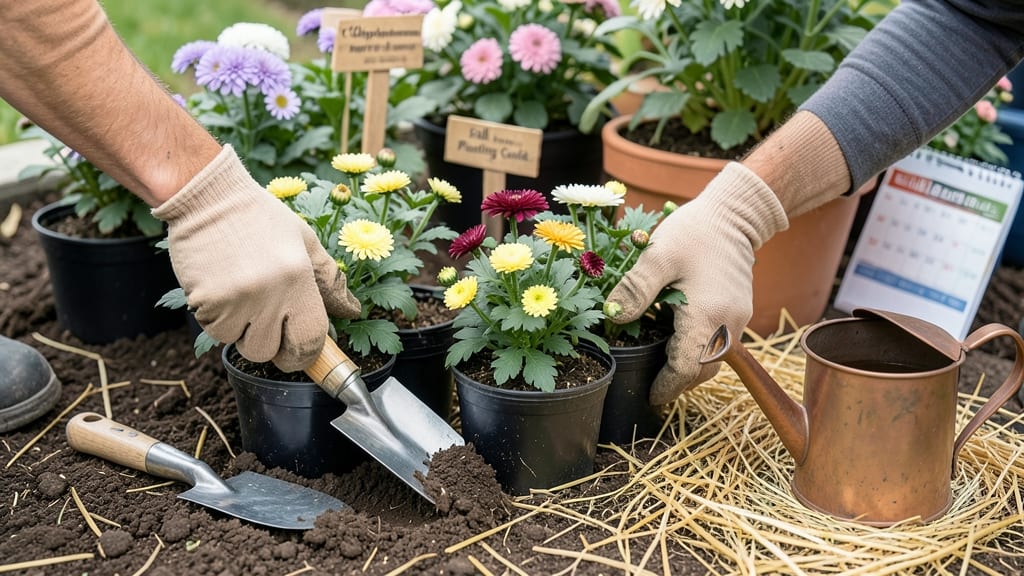
Timing your fall chrysanthemum planting just right means the difference between vibrant blooms by winter and wilted disappointment. These hardy 🌼 flowers thrive when planted 6-8 weeks before frost, but getting the exact window depends on where you live.
In USDA Zone 6a, that means late September to early October is prime time—but other regions have different deadlines. Plant too early, and you risk leggy growth; too late, and frost steals your showstopping blooms.
I’ll break down the perfect planting schedule by zone, plus pro tips to protect your chrysanthemums from early cold snaps. Whether you’re a first-time gardener or a seasoned green thumb, these steps will help you grow stunning, frost-resistant flowers that brighten your garden well into winter.
Ready to transform your fall garden? Let’s dive into the exact dates, soil prep, and care tricks that’ll keep your chrysanthemums thriving—no matter where you’re planted.
USDA Zone deadlines for fall chrysanthemum planting by region
Planting chrysanthemums in the fall gives you a head start on next year’s blooms—but you must time it right. The golden rule is to plant 8-12 weeks before your first frost date, ensuring roots establish before winter.
This window varies dramatically across USDA zones, from late summer in the South to early fall in the North.
For example, gardeners in Zone 3 (Alaska, northern Midwest) should plant by mid-August, while those in Zone 10 (Florida, coastal California) can wait until early November. Coastal areas often have 2-4 weeks later deadlines than inland regions due to milder microclimates.
High-altitude gardens (e.g., Colorado mountains) face earlier frost—plant by late July to early August in Zones 5-6. Always check your local first frost date (use the Old Farmer’s Almanac or USDA Plant Hardiness Map) and count backward.
| USDA Zone | Planting Window | Key Notes |
|---|---|---|
| Zones 3-4 | Late July–early August | Cold-hardy varieties only; mulch heavily. |
| Zones 5-6 | Mid-August–early September | Ideal for most gardeners; 6-8 weeks before frost. |
| Zones 7-8 | td style="padding: 8px; border-bottom: 1px solid #A8B58A;">Late August–mid-OctoberExtended window; can plant into early fall. | |
| Zones 9-10 | September–November | Mild winters; plant until Thanksgiving. |
| High Altitude (Zones 5-6) | Late July–early August | Adjust 2-4 weeks earlier than zone guidelines. |
Potted chrysanthemums offer flexibility—you can plant them 2-4 weeks later than in-ground varieties since containers insulate roots. However, move pots to a protected location (e.g., garage or unheated shed) before 20°F temps to prevent root damage.
Miss the window? Don’t panic. Late fall plantings (up to 4 weeks before frost) may still survive with extra mulch (4-6 inches of straw or leaves) and a frost blanket. Just expect smaller blooms next spring.
Pro tip: Use soil thermometers to confirm ground temps are above 50°F before planting. Cold soil slows root growth, leaving plants vulnerable to winter kill.
For container gardeners, dwarf varieties (like ‘Little Albert’) thrive when planted in well-draining pots with 1-2 inches of extra mulch on top. This mimics the insulation of in-ground beds.
Remember: Fall-planted chrysanthemums need full sun (6+ hours daily) and moist but well-draining soil. Amend heavy clay with compost or sand to prevent waterlogged roots.
Start with healthy nursery stock (not spring-planted divisions) for best results. Look for firm stems and buds forming—these plants establish faster than bare-root transplants.
USDA Zone deadlines for fall chrysanthemum planting by region
Planting chrysanthemums in the fall gives them time to establish roots before winter, ensuring vibrant blooms next spring. The key is timing: aim for 6-8 weeks before your first frost date. This window allows roots to strengthen while avoiding early cold snaps that can damage tender growth.
For example, in USDA Zone 6a, with a typical frost date of October 15, your planting window is late August to early September.
Your exact planting deadline depends on your USDA zone and local climate. Coastal areas may have later frost dates than inland regions, while high-altitude gardens often face earlier frosts. Always check your local frost calendar—many extension offices provide free frost date maps.
For instance, Zone 5 gardens should plant by mid-August, while Zone 9 can extend planting until mid-November.
🌱 Fall Chrysanthemum Planting Deadlines by USDA Zone
| Zone | Planting Window | Key Considerations |
|---|---|---|
| 3-4 | Late July to early August | Early frost risk; use cold-hardy varieties |
| 5-6 | Mid-August to early September | Ideal for most gardeners; mulch heavily |
| 7-8 | Late August to mid-October | Longer window; monitor local frost alerts |
| 9-11 | September to November | Mild winters; plant until soil cools |
Potted chrysanthemums deserve special attention. Since containers drain faster and roots warm up quicker, plant them 2-3 weeks earlier than in-ground varieties. For example, if your Zone 7 frost date is October 10, plant potted chrysanthemums by late August instead of September.
Always use well-draining potting mix and place pots in sheltered spots to protect from wind and temperature swings.
Adjust your planting timeline if you’re in a high-altitude garden (above 3,000 feet). Frost arrives earlier here, so plant 4-6 weeks earlier than your zone’s standard deadline. For instance, a Zone 6 high-altitude garden might need to plant by mid-July instead of August.
Similarly, coastal gardens can plant later due to milder microclimates—sometimes extending the window by 2-3 weeks.
Miss the fall planting window? Don’t panic. You can still plant chrysanthemums in early spring, but blooms may arrive later in the season. For zero-frost flowers, prioritize fall planting and focus on cold-resistant varieties like 'Bonanza' or 'Mammoth.'
These thrive even when temperatures dip below freezing, giving you a head start on next year’s garden color.
Pro tip: Mark your planting deadline on your garden calendar and set reminders. Chrysanthemums planted too late may not establish roots before winter, leading to weak growth or frost damage. With the right timing, you’ll enjoy bold, long-lasting blooms that brighten your garden from late summer through fall. 🌼