
Plants
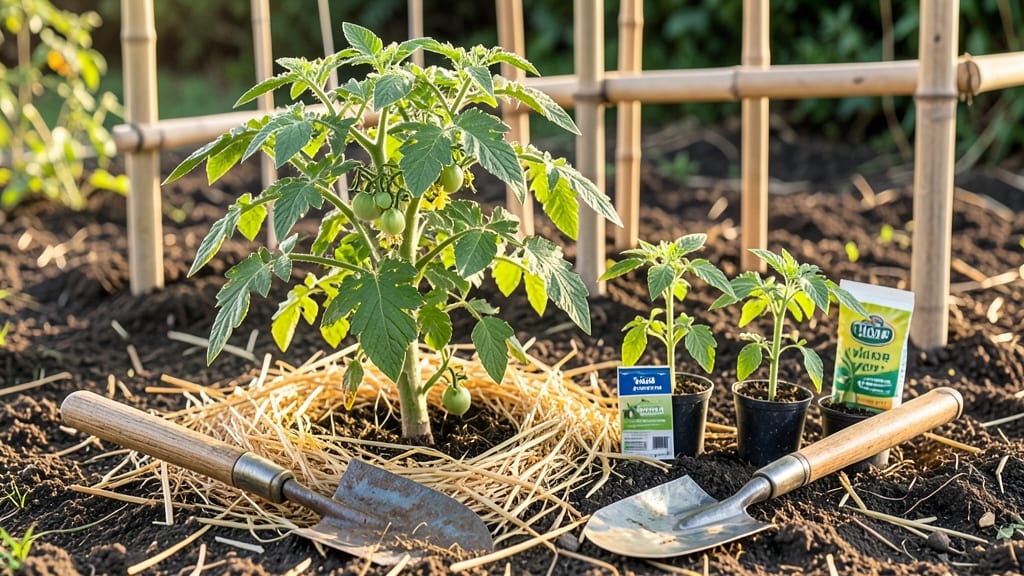
If you're dreaming of a homegrown tomato harvest 🍅 but hate the guesswork, when to plant fall tomatoes in South Texas is the key—miss it, and you're either battling 100°F soil or racing against frost.
The secret to success? Planting between mid-August and early September for transplants, or wait until September if starting from seeds.
Why? This timing lets your tomatoes mature before December's first frost sneaks in, while avoiding the brutal summer heat that stresses young plants. I've grown over 50 varieties here, and the difference between a bountiful fall crop and wasted effort comes down to these two critical weeks.
But here's the kicker: coastal areas near Corpus Christi can push harvests later than inland regions like San Antonio. We'll break down exactly how to adjust your schedule based on your microclimate—plus the top 3 heat-tolerant varieties that thrive in South Texas' 9a-10a zones.
Ready to turn your backyard into a tomato powerhouse? Let's dive into the exact planting deadlines, soil prep secrets, and frost-beating strategies that'll have you harvesting until December.
South Texas heat zones and fall tomato planting deadlines by variety
South Texas gardeners face a unique challenge: balancing scorching summer heat with early winter frosts. The key to successful fall tomato planting lies in understanding your USDA Zone (9a-10a) and selecting varieties that thrive in 80-90°F temperatures while avoiding frost damage.
Coastal areas like Corpus Christi have slightly longer growing seasons than inland regions like San Antonio, so timing varies by microclimate.
For most of South Texas, the optimal transplant window for fall tomatoes runs from mid-August to early September. This timing ensures plants establish roots before September heat waves and mature before December's first frost risk.
Seedlings started indoors in late July can be transplanted outdoors by mid-August, giving them 6-8 weeks to grow before cooler weather arrives.
Here’s the critical comparison table for fall tomato varieties in South Texas, including last safe transplant dates and frost tolerance:
| Variety | Heat Tolerance | Last Safe Transplant Date | Days to Maturity | Frost Risk |
|---|---|---|---|---|
| Celebrity | High (90°F+) | Early September | 70-75 days | Moderate (survives 28°F) |
| Better Boy | Moderate (85°F) | Mid-August | 80-85 days | Low (survives 32°F) |
| Solar Fire | High (95°F+) | Late August | 65-70 days | High (survives 30°F) |
| Mountain Merit | Moderate (80°F) | Early September | 75-80 days | Moderate (survives 28°F) |
If you’re planting tomato seeds directly in the garden—rather than transplants—aim for late August to early September. Seeds need warm soil (70°F+) to germinate, so avoid planting before August 15 unless you use black plastic mulch to warm the soil faster.
For coastal South Texas, you can push seeds to early September safely.
One common mistake is assuming all tomato varieties perform equally in fall. Heat-loving varieties like Solar Fire or Heatmaster thrive in summer but may struggle in cooler fall temps, while cold-tolerant varieties like Mountain Merit or Stupice produce better in late-season plantings.
Match your variety to your planting timeline to avoid disappointment.
For inland areas like San Antonio or Austin, where frosts can arrive as early as mid-December, prioritize early-maturing varieties (60-70 days to harvest) when planting after mid-August. Coastal gardeners in Corpus Christi or Brownsville have more flexibility, with some varieties maturing by November even with late-September plantings.
Pro tip: Use a planting calendar tailored to your South Texas zip code. Websites like Texas A&M AgriLife Extension offer free tools to calculate your last frost date and adjust planting windows accordingly.
For example, a Zone 9a garden in McAllen has a longer frost-free window than a Zone 10a garden in El Paso, even though both are in Texas.
Remember, soil temperature matters just as much as air temperature. Use a soil thermometer to confirm your garden bed is at least 60°F before transplanting. If it’s cooler, warm the soil with black plastic mulch or a cold frame for 3-5 days before planting.
This simple step can mean the difference between successful germination and failed seedlings.
Finally, don’t overlook microclimates within your garden. A south-facing raised bed stays warmer than a shaded corner, allowing you to plant 2-3 weeks later in protected areas. Use this advantage to extend your fall harvest window by a few precious weeks.
With the right variety and timing, you can enjoy homegrown tomatoes from your South Texas garden well into December—just in time for holiday feasts!
Step-by-step guide to extending your South Texas fall tomato season
Extending your fall tomato season in South Texas isn’t just about timing—it’s about smart strategies to beat the heat and delay frost. With the right techniques, you can harvest tomatoes well into November or December, even in USDA Zones 9-10.
The key is combining heat management, soil warmth, and protective barriers to give your plants the edge.
Start by choosing cold-hardy varieties like 'Celebrity' or 'Mountain Merit,' which tolerate cooler temperatures better than standard types. These varieties can handle 50°F nights without major setbacks, giving you extra weeks of growth.
Pair them with black plastic mulch to absorb sunlight and keep roots warm—this alone can push your harvest window by 2-3 weeks.
🌱 Step-by-Step Guide to Extending Your Fall Tomato Season
- Choose cold-hardy varieties like 'Celebrity' or 'Mountain Merit' for frost resistance.
- Use black plastic mulch to warm soil and suppress weeds (install 2-3 weeks before transplanting).
- Set up row covers (floating or hoop-style) to protect from light frosts (28°F tolerance).
- Install shade cloth (30-50%) in late September to reduce heat stress during 90°F+ days.
- Water deeply in mornings to prevent fungal diseases as temps drop (avoid wetting foliage).
- Harvest early before first frost (December 1) or use low tunnels to delay frost by 3-4 weeks.
- Prune suckers aggressively in late fall to redirect energy to fruit ripening.
Don’t overlook row covers—these lightweight fabrics act like a blanket, trapping heat and shielding plants from light frosts (28-32°F). Install them at dusk and remove by mid-morning to prevent overheating.
For even more protection, combine row covers with low tunnels (PVC pipes + plastic sheeting) to create a microclimate that can delay frost damage until mid-December in most of South Texas.
Timing is critical for shade cloth. If you’re planting in late August, wait until mid-September to add 30% shade cloth to protect seedlings from 100°F+ heat waves. This reduces stress and ensures steady growth.
Watering shifts in fall, too. While summer calls for daily deep watering, adjust to every 2-3 days as temps drop below 80°F. Always water at soil level (not overhead) to prevent fungal diseases like early blight, which thrives in damp foliage. A drip irrigation system is ideal—it delivers moisture directly to roots while keeping leaves dry.
Finally, don’t ignore soil preparation. Amend your beds with compost and aged manure before planting to boost nutrient availability. Add a slow-release fertilizer (5-10-10) at transplanting and again in early October to support late-season growth.
This two-step feeding ensures your plants have the energy to produce fruit even as days shorten.
With these steps, you’ll turn South Texas’s fall challenges into opportunities, harvesting juicy tomatoes long after most gardeners have packed it in. The secret? Plan ahead, protect your plants, and adapt as the season changes—just like the pros do. 🌱