
Plants
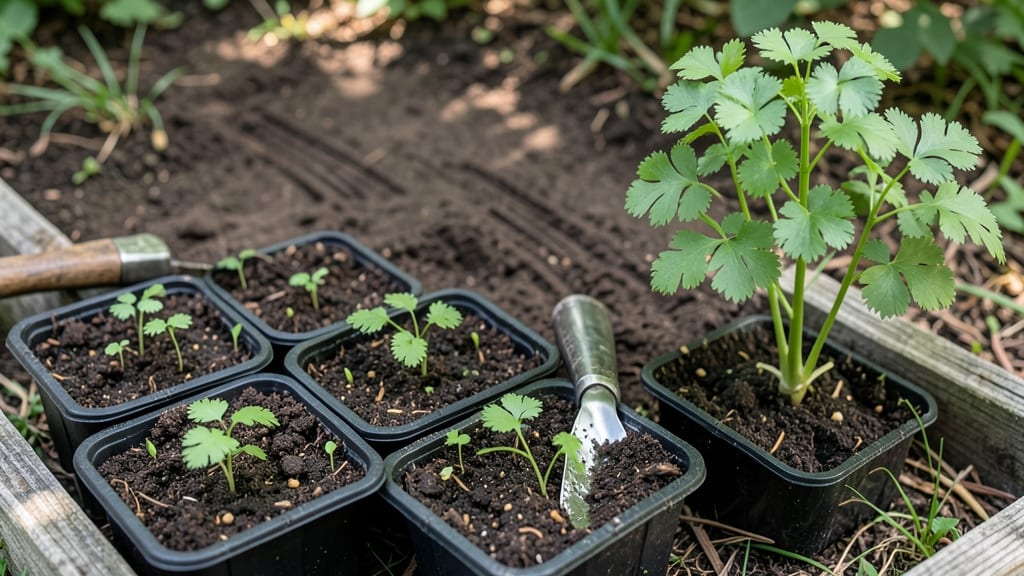
If you’ve ever planted cilantro in Oregon only to watch it bolt into flowers before you can harvest a single leaf, you’re not alone. The key to growing fresh, flavorful 🌿 cilantro all season lies in timing—specifically, knowing when to plant it to avoid Oregon’s tricky climate shifts.
Oregon’s USDA zones 8-9 (and those cooler inland areas like Bend) create a narrow window for cilantro success. Plant too early, and frost zaps your seedlings; too late, and the heat sends your herb racing toward flower stalks.
But with the right schedule, you can enjoy harvests from May to November—or even longer with a few tricks.
I’ve grown cilantro in Portland’s damp springs and Bend’s dry summers, and I’ll show you exactly when to start seeds for two reliable crops: early spring and late summer.
Whether you’re a backyard gardener or a balcony herb enthusiast, these timing tips will keep your cilantro thriving—and your kitchen stocked with fresh leaves.
Let’s dive into the best months to plant, how to extend your harvest, and what to watch for when cilantro starts acting up. Your perfectly timed cilantro garden is just a few weeks away!
Best months to plant cilantro in Oregon’s climate zones
Oregon’s diverse climate zones—from the coastal foggy areas to the inland valleys and high desert—create wildly different conditions for growing cilantro. The key to success lies in planting during cool seasons when temperatures stay below 75°F to prevent bolting.
Let’s break down the optimal planting windows for each zone, so you can enjoy fresh cilantro from spring through fall.
For coastal Oregon (like Portland and the Willamette Valley), the mild winters and cool summers make cilantro a year-round possibility, but timing still matters. Inland areas like Bend or La Pine face hotter summers and colder winters, requiring earlier plantings.
Meanwhile, high desert regions (e.g., Burns or Prineville) have shorter growing seasons, demanding earlier starts to beat the heat.
Here’s how to align your cilantro planting with Oregon’s microclimates for maximum harvest success:
In coastal Oregon, you can push the limits slightly—February plantings are possible if you use row covers to protect against late frosts. However, April is the safest bet for most gardeners, as soil temperatures rise to the ideal 50-60°F range needed for germination.
If you’re in Portland, you might even squeeze in a late summer crop (August) before temperatures climb too high.
For inland areas, focus on March plantings to avoid the scorching summer heat.
The Willamette Valley (e.g., Eugene) can handle May sowings, but Bend and Redmond gardeners should stick to August for fall harvests. High desert regions are the most challenging—plant in late April to early May and again in July for a short-lived but flavorful fall crop.
Pro tip: Test your soil temperature before planting. Use a soil thermometer—cilantro seeds need consistent warmth (above 50°F) to sprout. If your soil is too cold, wait a week or two. Too hot, and you’ll trigger bolting before you even see leaves!
Once you’ve nailed the planting window, the next step is extending your harvest through succession planting—but that’s a topic for our next section. For now, mark your calendar and grab those cilantro seeds—your fresh herb garden is about to thrive! 🌱
Best months to plant cilantro in Oregon’s climate zones
Oregon’s diverse climate—from the coastal fog of Astoria to the high desert of Bend—means cilantro thrives in different windows. Coastal areas like Portland enjoy longer growing seasons, while inland zones face earlier frosts. To avoid bolting or stunted growth, align your planting with local frost dates and soil temperatures.
For coastal Oregon (USDA Zones 8b-9a), cilantro loves cool spring and fall weather. Start seeds indoors in February or direct-sow March through April after the last frost (typically mid-March). A second planting in late summer (August) ensures a fall harvest before frost hits in October-November.
| Climate Zone | Last Frost Date | Best Planting Window | Soil Temp for Germination | Heat Tolerance |
|---|---|---|---|---|
| Coastal (Portland, Astoria) | Mid-March | March-April, August-Sept | 50-60°F | Moderate (bolts at 75°F+) |
| Willamette Valley (Eugene) | Late March | April-May, July-August | 55-65°F | Low (bolts at 70°F+) |
| High Desert (Bend, La Pine) | Mid-May | May-June, Sept-Oct | 60-70°F | Very Low (bolts at 65°F+) |
Inland Oregon (USDA Zones 6b-7a), like the Willamette Valley, has shorter seasons. Wait until late April for spring plantings and focus on fall crops in August-September. High desert areas like Bend need even later starts—May-June for spring—to avoid premature bolting from hot afternoons.
Pro tip: Use a soil thermometer to confirm 50-60°F soil temps before sowing. Coastal areas hit this mark by early March, while inland zones may wait until May. For container gardening, start seeds 4-6 weeks earlier indoors to extend your harvest window.
Remember, cilantro’s heat sensitivity is its Achilles’ heel. In Zone 7+ areas, opt for shade cloth during summer months to keep temps below 75°F. This simple trick can add weeks to your harvest and prevent bitter, bolted plants.
By matching your planting schedule to Oregon’s microclimates, you’ll enjoy fresh cilantro from spring through fall—no bitter surprises included! 🌱