
Light Requirements
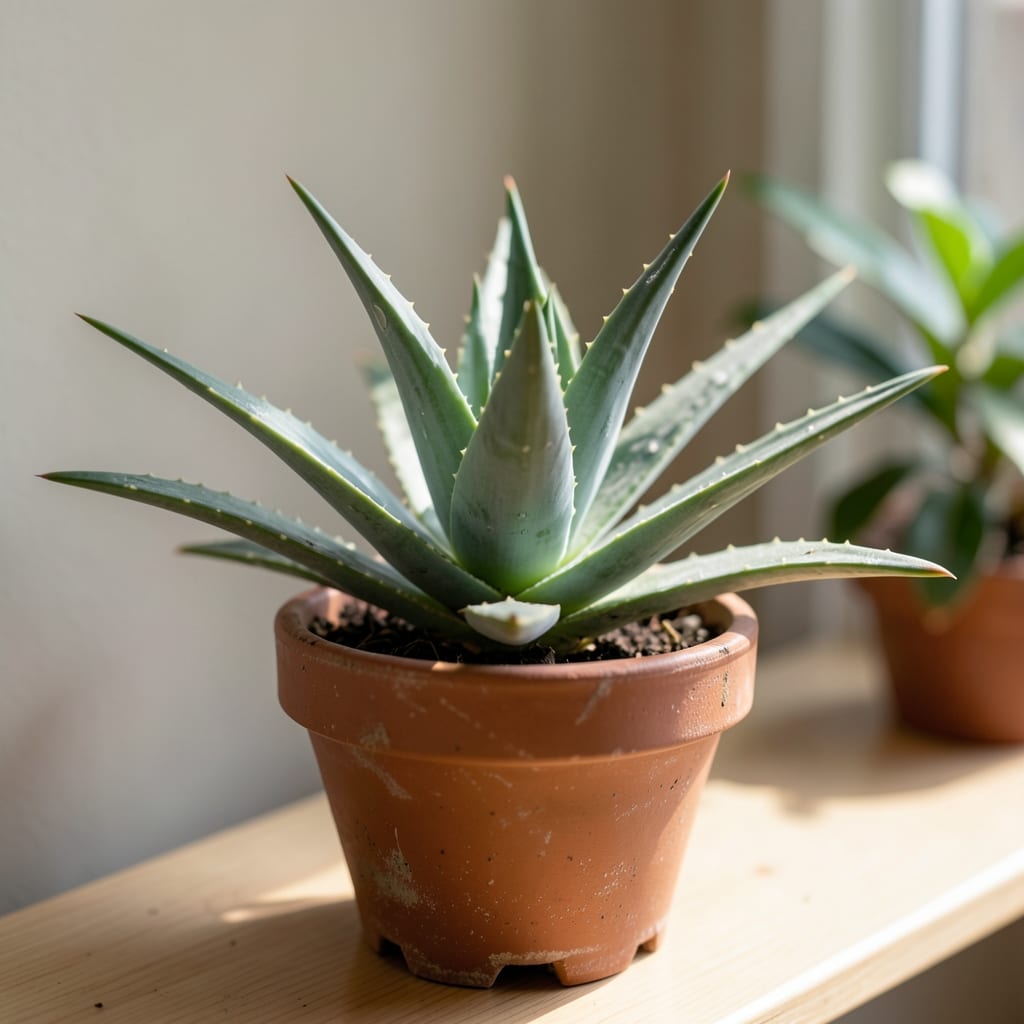
If you’re wondering how much light does an aloe plant need to thrive, the answer is simple—your plant’s health depends on getting it just right. A leggy, yellowing, or sluggish aloe is usually a clear sign that the light exposure is off. The good news? Fixing it is easier than you think, and once you nail the balance, your aloe will reward you with thick, vibrant leaves and minimal fuss.
Most gardeners assume aloe plants need full sun, but the truth is more nuanced. While they love light, direct afternoon sun can scorch their leaves, turning them brown or crispy. Instead, aim for 6+ hours of bright, indirect sunlight daily—think east-facing windows or a spot near a south-facing window with sheer curtains. Outdoors? Partial shade is your best friend, especially in hot climates like USDA Zone 6a.
Here’s the game-changer: indoor aloe plants often suffer from light deprivation, especially in winter when daylight shrinks. If your plant starts stretching toward the window (a sign of legginess), it’s begging for more light. A simple fix? Rotate the pot every few weeks or supplement with a grow light for 12-14 hours a day—your aloe will perk up in no time.
In this guide, I’ll break down exactly how much light your aloe needs, how to spot signs of over- or under-exposure, and seasonal tweaks to keep it happy year-round. Whether you’re a beginner or a seasoned plant parent, these tips will help your aloe flourish with confidence.
 Best Window Placement
Ideal light requirements for aloe vera: bright indirect sunlight explained
Aloe plants are sun worshippers, but their light needs aren’t as simple as "more is better." In fact, too much direct sun can scorch their thick, gel-filled leaves, while too little light leads to weak, leggy growth. The sweet spot? 6+ hours of bright, indirect sunlight daily—think of it as a sunbath with sunscreen. This balance ensures your aloe produces the energy it needs for photosynthesis without risking damage.
Outdoors, aloe thrives in partial shade, especially in hot climates like USDA Zone 6a. A spot with morning sun and afternoon shade (like under a tree or patio umbrella) is perfect. If you’re growing aloe in containers, place them on a south-facing patio or balcony where they can soak up gentle rays without the harsh afternoon heat. Just remember: west-facing windows can be too intense, while north-facing spots often lack sufficient light.
Indoors, the challenge shifts to finding the right window. A south-facing window is your best bet, providing the brightest, most consistent light without the risk of overheating. If that’s not an option, an east-facing window works well—it offers softer morning light that gradually intensifies. Avoid north-facing windows unless you supplement with grow lights, as these areas typically provide low-light conditions that stunt growth.
Here’s a pro tip: Rotate your aloe plant every 2-3 weeks to ensure even light exposure. Plants naturally lean toward the light source, which can cause uneven growth or weak stems. A quick spin keeps your aloe balanced and encourages compact, bushy growth instead of a lopsided silhouette. Think of it like giving your plant a gentle massage—it’s low effort but makes a big difference!
| Light Condition | Daily Duration | Best For | Signs of Stress |
|---|---|---|---|
| Bright Indirect Sunlight | 6+ hours | Ideal for indoor aloe | Thick, vibrant leaves |
| Morning Sun + Afternoon Shade | 6-8 hours | Outdoor aloe in hot climates | No brown spots or crispiness |
| Direct Full Sun | 4+ hours (max) | Cool climates only | Brown patches or sunburn |
| Low Light (North Window) | <2 hours | Avoid unless supplemented | Leggy, pale leaves |
If you’re still unsure about your space, here’s a quick test: Hold your hand near the plant’s spot during the brightest part of the day. If you can’t comfortably read a book with the light shining on your hand, your aloe likely needs more light. Conversely, if the area feels like a sauna in summer, it’s probably too intense. Aloe leaves are tough, but they’re not indestructible—think of them as wearing SPF 30 instead of full exposure.
For indoor growers, grow lights are a game-changer. A simple LED grow light with a full spectrum (blue and red wavelengths) can mimic sunlight perfectly. Place it 6-12 inches above the plant and run it for 12-14 hours a day to compensate for weak natural light. This is especially helpful in winter months when daylight is scarce. Just avoid keeping the light on 24/7—aloe plants need rest too!
One common mistake is assuming all sunlight is equal. East-facing windows provide gentle morning light, while west-facing windows can turn into ovens by afternoon. If you notice your aloe’s leaves curling or turning reddish, it’s a cry for shade. Move it a few feet back from the window or add a sheer curtain to diffuse the light. Your aloe will thank you with plump, healthy leaves instead of crispy edges.
Finally, remember that seasonal changes affect light exposure too. In summer, your aloe might need more shade to prevent sunburn, while winter may require supplemental lighting to keep it thriving. Pay attention to your plant’s cues—healthy aloe leaves are thick, fleshy, and a vibrant green. If they start looking dull or stretched, it’s time to adjust the light!
Ideal light requirements for aloe vera: bright indirect sunlight explained
Aloe vera plants are sun worshippers, but they’re not fans of harsh, direct sunlight—especially during peak afternoon hours. The ideal light requirement for aloe is 6+ hours of bright, indirect sunlight daily, mimicking their natural habitat in arid regions. This means positioning your plant near an east-facing window (gentle morning sun) or a south-facing window with sheer curtains to diffuse the intensity.
Outdoors, aloe thrives in partial shade to filtered sunlight, especially in hot climates like USDA Zone 6a. Think dappled shade under a tree or a spot where sunlight hits for only part of the day. Direct midday sun can scorch leaves, causing brown, crispy patches that ruin the plant’s signature plump texture. If you notice these signs, move your aloe to a shadier spot immediately.
| Light Condition | Daily Duration | Best Placement | Plant Response |
|---|---|---|---|
| Bright Indirect Light | 6+ hours | East/west window, filtered sunlight | Thick, vibrant leaves; healthy growth |
| Direct Morning Sun | 3-4 hours | South-facing window (early hours) | Strong stems; minimal stress |
| Full Sun (Outdoor) | 4-6 hours (partial shade) | Under tree canopy or lattice | Risk of sunburn; avoid peak hours |
| Low Light | <3 hours | North-facing window or dim room | Leggy growth; pale, weak leaves |
For indoor aloe plants, south-facing windows are the gold standard because they capture the most light throughout the day. If your home lacks natural light, supplement with a grow light for 12-14 hours daily. LED grow lights with a 5000-6500K color temperature mimic sunlight perfectly and prevent the leggy growth that plagues many houseplants. Place the light 12-18 inches above the plant to avoid overheating.
Pro tip: Rotate your aloe plant quarter-turns every 2-3 weeks to ensure even light exposure. This prevents the plant from leaning toward the light source, which can cause uneven growth or weak stems. Aloe plants are forgiving, but they’ll reward you with thicker, more medicinal leaves when they get the right balance of light.
In outdoor settings, aloe plants in containers or raised beds may need extra attention during summer. If you notice leaves turning yellow or developing brown edges, it’s a sign of too much direct sun. Move the pot to a shadier spot or provide afternoon shade with a lightweight shade cloth (30-50% coverage). This simple adjustment can save your aloe from heat stress and keep it looking lush.
Remember, aloe vera is a succulent by nature, meaning it stores water in its leaves to survive dry conditions. This trait also makes it resilient to bright light conditions, but resilience doesn’t mean it should be neglected. The key is consistency: provide steady, bright indirect light, and your aloe will thrive with minimal fuss. 🌱