
Plants
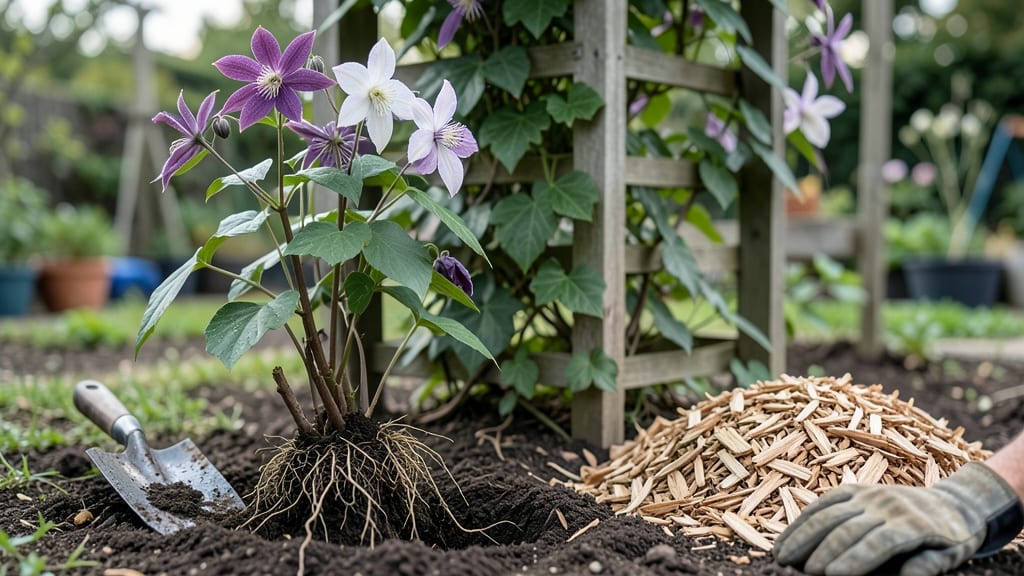
Planting clematis in Texas isn’t just about picking a month—it’s about beating the heat and avoiding frost, two forces that can turn your dream vine into a sad, wilted mess. Whether you're in North Texas with its chilly winters or South Texas where summer feels like an oven, timing is everything for these 🌸-adorned climbers.
Most gardeners swear by fall planting, but Texas’s unpredictable frost dates mean you’ve got to play it smarter.
Skip the guesswork and learn the exact months when your local USDA zone (like 8a-10b) gives you the green light—because planting too early risks frost damage, while waiting too long can stress your clematis before it even takes root.
I’ve tested the best strategies for Texas conditions, from heat-resistant varieties that won’t melt in July to soil prep tricks that keep roots happy. You’ll discover how to outsmart the climate, whether you’re in Dallas or Houston, and walk away with a foolproof schedule that guarantees blooms—not just survival.
Ready to grow clematis that thrives year-round? Let’s dive into the perfect planting window and the secrets to keeping your vines lush, even when Texas decides to bake the earth.
Best months to plant clematis in Texas (by USDA Zones & frost dates)
Texas’s diverse climate zones (7-11) mean your clematis planting window depends on whether you’re in North Texas or South Texas. The golden rule? Plant when soil temps hit 50°F+ and frost risk drops to zero.
For most Texas gardeners, this means late winter to early spring (February-March) or fall (September-October). Let’s break it down by zone to avoid frost damage or summer stress.
In North Texas (Zones 7-8), frost lingers until mid-March, so aim for September-October planting to establish roots before winter. South Texas (Zones 9-11) has no frost risk, but planting in late winter (February) lets vines mature before scorching summer heat arrives.
Always check your local frost-free date—the National Weather Service or Texas A&M AgriLife Extension are reliable sources.
Here’s the critical rule: Bare-root clematis needs 4-6 weeks to establish roots before summer’s 100°F+ temps. Planting in August is risky in North Texas—roots may struggle to adapt before heat sets in.
For container-grown clematis, you have slightly more flexibility, but fall planting still wins for long-term success.
Texas’s humidity and heat also play a role. Clematis hates wet feet, so avoid planting after heavy rains. If you must plant in summer (June-July), choose heat-resistant varieties like 'Jackmanii' or 'Durandii', and provide afternoon shade until roots establish.
Pro tip: Pre-cool your clematis if planting in late spring (April-May). Place potted plants in a shady, sheltered spot for 1-2 weeks before transplanting to harden them against Texas heat. This mimics natural cooling periods and reduces transplant shock.
| USDA Zone | Last Frost Date | Best Planting Window | Key Consideration |
|---|---|---|---|
| 7-8 (North TX) | Mid-March | September-October | Avoid spring frost; mulch heavily. |
| 8a-9a (Central TX) | Late February | February-March or September | Pre-cool for late spring planting. |
| 9b-10a (South TX) | None (year-round) | February-March or September | Provide afternoon shade in summer. |
| 10b+ (Far South TX) | None | Year-round (best in Feb-Mar) | Monitor for heat stress; mulch deeply. |
🌱 Note: Adjust for microclimates (e.g., hilltops frost earlier).
If you’re in East Texas, where humidity spikes, choose disease-resistant varieties like 'Multi Blue' and plant in fall to avoid powdery mildew outbreaks. West Texas gardeners should avoid planting in summer—the dry heat can bake roots before they establish.
Instead, opt for fall planting and use drip irrigation to keep soil consistently moist.
One common mistake is planting clematis too deep. The crown (where stems meet roots) should sit 2-3 inches below soil level. Deeper planting can lead to rot, while planting too shallow exposes roots to extreme heat.
Pair this with a 3-inch layer of mulch to retain moisture and regulate soil temperature.
For container gardening, Texas’s heat means you’ll need larger pots (15+ gallons) with drainage holes. Move containers to shadier spots during 11 AM–3 PM in summer.
If you’re in Houston or Dallas, aim for September planting—this gives roots 3 months to establish before winter chill sets in.
Remember: Texas clematis success hinges on two factors: timing and soil prep. Amend your soil with compost and organic matter to improve drainage, and always plant near a support structure (trellis, arbor, or fence).
With the right planting window and care, your clematis will reward you with vibrant blooms from spring to summer—no matter where you garden in Texas
Best months to plant clematis in Texas (by USDA Zones & frost dates)
Texas spans USDA Zones 7a-10b, meaning frost dates vary wildly—from late January in South Texas to mid-February in North Texas. To avoid frost damage, aim for September through October as your primary planting window.
This gives roots time to establish before winter's chill, while avoiding the brutal summer heat that can shock young plants.
For bare-root clematis, early spring (February-March) also works if you're in Zone 9b+, where frost is rare. However, container-grown clematis can be planted year-round in mild zones, though fall remains ideal.
Always check your local frost-free date—a quick online search for your city will give you the exact cutoff.
Here’s the golden rule: Plant clematis when soil temps are 60°F+ but nighttime temps stay above 50°F. In Texas, this typically means September 15-October 15 for most regions. Pro tip: Use a soil thermometer to confirm—cool roots struggle in Texas’s intense summer heat.
🌱 Clematis Planting Timeline for Texas
| Zone | Best Planting Window | Soil Temp Requirement | Key Consideration |
|---|---|---|---|
| 7a-8a (North Texas) | September 15-October 15 | 60°F+ | Avoid late frosts (avg. last frost: Feb 15) |
| 8b-9a (Central Texas) | September 1-October 30 | 60°F+ | Longer growing season; can plant slightly later |
| 9b-10b (South Texas) | August 15-November 15 | 65°F+ (warmer roots preferred) | Frost-free year-round; extend window |
| All Zones (Spring) | February-March (bare-root only) | 50°F+ | Risk of late frosts; mulch heavily |
If you miss the fall window, spring planting is still viable—just be prepared to water daily and provide afternoon shade to protect tender new growth. In Zone 10b, you can even plant in December, but prioritize root establishment over blooms that first year to build resilience.
Texas’s humidity and heat demand extra prep: Amend your soil with compost and perlite to improve drainage, and choose a north-facing trellis to shield vines from afternoon sun. Mulch with 3-4 inches of organic matter (like pine straw) to lock in moisture and regulate soil temps.
Pro move: Test your soil’s pH (6.5-7.0 ideal) and add lime or sulfur if needed—clematis roots thrive in slightly acidic to neutral soil. A simple $10 soil test kit from your local nursery will save you headaches later.