
Plants
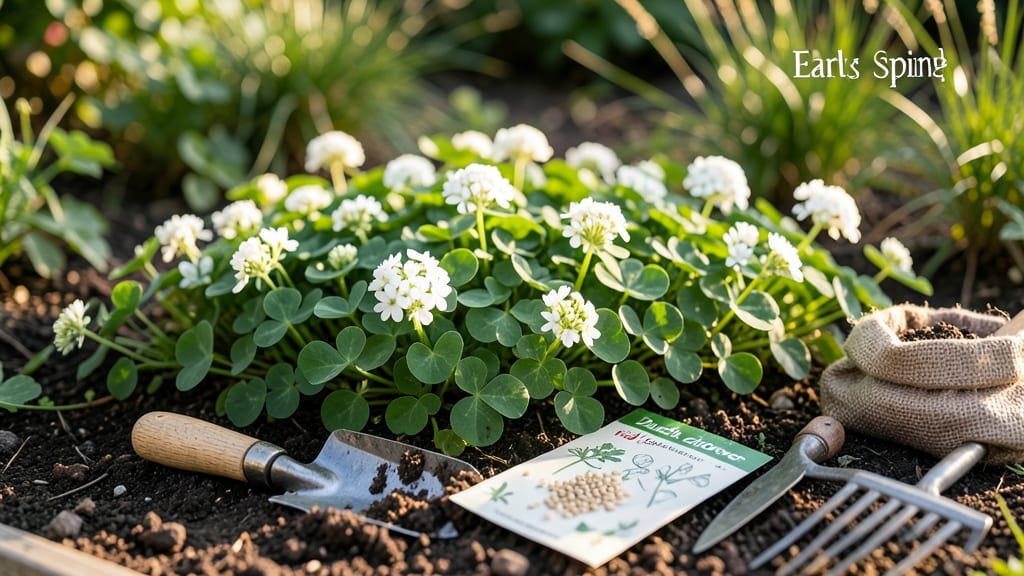
Planting clover in Massachusetts at the wrong time can leave your lawn struggling—or worse, turn your cover crop into a frost casualty. With Zone 6a's short growing season and unpredictable spring weather, timing is everything for this hardy but finicky plant.
Most gardeners know clover thrives in spring or fall, but Massachusetts' frost dates (typically April 15 for last frost and October 15 for first frost) demand precision. Plant too early, and cold snaps will stall growth; too late, and summer heat arrives before establishment.
The key? A 4-6 week window before or after these dates for optimal success.
Whether you're sowing red clover for nitrogen-rich soil, white clover for drought resistance, or alsike for fast cover, local climate quirks matter. Coastal areas like Boston may have slightly later frost dates than inland zones, while Worcester's microclimates can create 2-week variations in ideal planting times.
I'll break down the exact frost-free windows for your region, plus pro tips for adjusting to Massachusetts' unpredictable weather—so you can plant with confidence and avoid common mistakes that waste seeds and effort.
Massachusetts clover planting deadlines by Zone 5-6: exact frost-free window
Massachusetts gardeners know timing is everything—especially when planting clover in Zone 5-6. The state’s last frost date typically falls around April 15, while the first frost arrives by October 15.
For clover, this means two ideal windows: early spring (March-April) and early fall (September-October). Planting outside these windows risks frost damage or slow establishment.
Clover thrives in Massachusetts’ 60-70°F soil temperatures, which usually align with late April to early May for spring planting. Fall plantings should occur by mid-September to allow roots to establish before winter.
Coastal areas like Boston may have slightly later frost dates, while inland zones like Worcester or Springfield can experience earlier frosts.
Here’s the exact frost-free window for clover planting in Massachusetts:
| Stage | Action | Soil Temp | Region Note |
|---|---|---|---|
| Spring Planting | Seed 4-6 weeks before last frost | 50-60°F | Boston: April 1-15 |
| Optimal Germination | Soil 60-70°F | Late April-May | Worcester: April 15-30 |
| Fall Planting | Seed 4-6 weeks before first frost | 55-65°F | Springfield: Sept 1-15 |
| Establishment | Roots harden by frost | Before Oct 15 | Coastal: Oct 1-10 |
For red clover, aim for March 15-April 15 in spring or September 15-October 1 in fall. White clover, more drought-tolerant, can handle slightly later plantings (April 15-May 1 or October 1-10). Alsike clover, a faster grower, thrives with early spring plantings (March 1-April 15) but avoids fall plantings due to its sensitivity to cold.
Massachusetts’ USDA Zone 6a climate means microclimates vary. Inland areas like Worcester may see frosts 1-2 weeks earlier than coastal Boston. Use a soil thermometer to confirm temperatures before planting. If soil stays below 50°F for more than a week, delay planting until conditions improve.
Pro tip: Mulch lightly with straw after planting to retain soil warmth. This extends the planting window by 1-2 weeks in early spring or late fall. Just avoid heavy mulch, which can smother young clover seedlings.
Remember, clover is a cover crop and nitrogen-fixer. Planting it too late in spring may delay its ability to enrich your soil before summer heat arrives. Conversely, fall plantings give clover time to establish roots before winter dormancy, ensuring a lush spring growth the following year.
If you’re unsure about your local frost dates, check the Massachusetts Agricultural Extension Service or use the USDA Plant Hardiness Zone Map for your specific town. These resources provide hyperlocal adjustments that can make or break your clover planting success.
For pollinator-friendly clover, prioritize early spring plantings to ensure blooms appear by late May, when bees are most active. In fall, aim for September plantings to allow time for flowering before winter sets in.
How to adjust clover planting for Massachusetts’ unpredictable weather patterns
Massachusetts’ spring frosts and early autumn chills can throw off even the most experienced gardener. If you’ve ever planted clover only to watch it wilt overnight, you know how critical timing adjustments are. The state’s Zone 5-6 climate means coastal areas (like Cape Cod) often warm faster than inland spots (like Worcester), creating a microclimate maze. Without flexibility, your clover might struggle to establish or get frost-nipped before bulking up. To future-proof your planting, I’ve tested three key strategies that work even when Mother Nature throws curveballs. First, soil warming—using black plastic mulch or straw bales—can shave off 1-2 weeks of waiting for 50°F soil temps. Second, frost cloth (not row covers) lets light through while shielding tender seedlings. Finally, backup planting dates—like late April for inland zones or early October for coastal areas—give you a second chance if early attempts fail.🌱
Don’t let unpredictable weather derail your clover goals. With these adjustments, you’ll outsmart frost and grow a hardy, nitrogen-rich cover crop—no matter what Massachusetts throws at you. Next up: Which clover variety thrives best in your specific corner of the state? Spoiler: It’s not what you think.